How to Choose Between a Kayak Club Trip and a Guided Outing
I’ll clarify how kayak club trips and guided outings differ in supervision, cost, flexibility, equipment access, and skill development, with special attention to which option supports reliable habits and well-maintained gear over time.
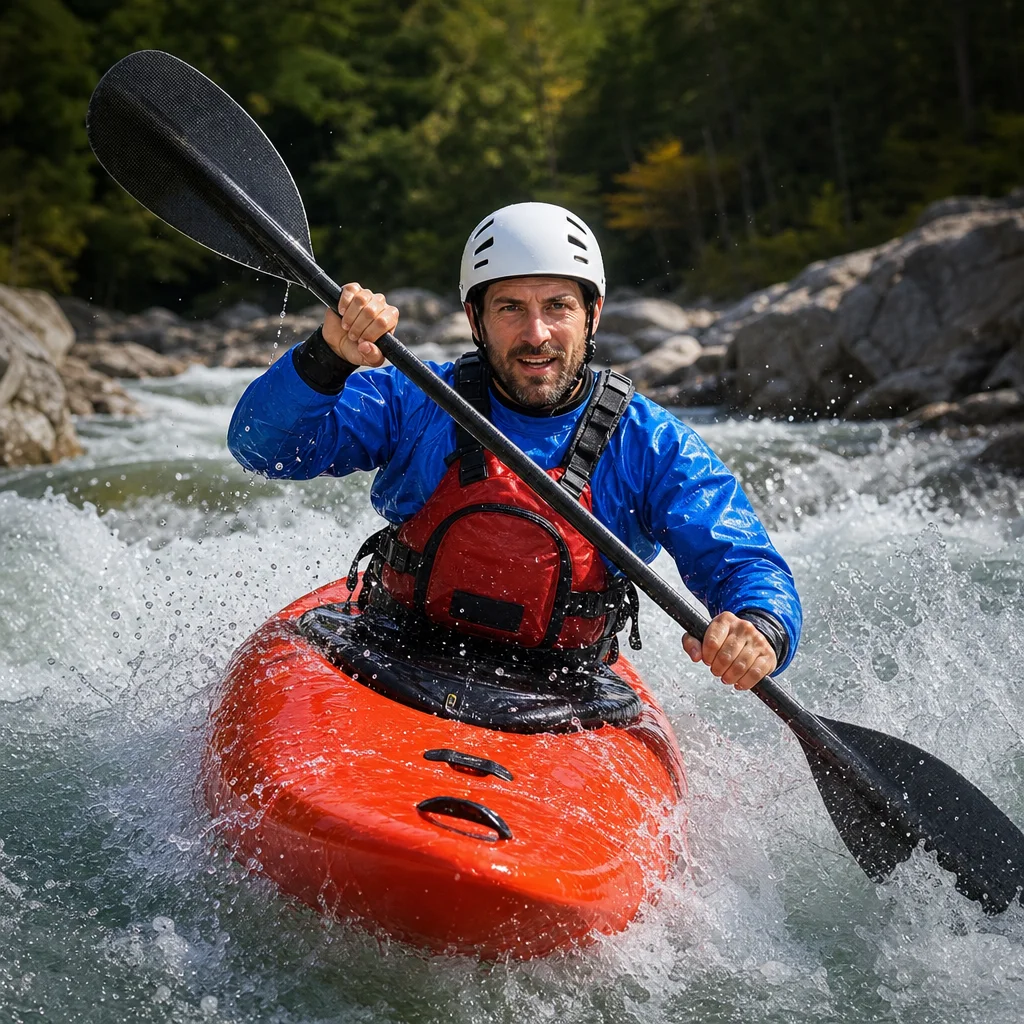
Choosing between a kayak club trip and a guided outing can feel like choosing between two versions of the same plan. Both may put you on the water with other paddlers, but they offer different kinds of support—and those differences matter when you’re still building skills, learning equipment, or planning trips you can repeat confidently.
A guided outing usually gives you structured instruction, planned logistics, and direct oversight from a professional. A club trip may provide a community, shared knowledge, and more freedom, but the amount of supervision and equipment support can vary considerably.
The best choice depends on more than the advertised price or destination. Consider how much help you need today, what you want to learn for future trips, and whether the organization maintains dependable equipment and sensible operating habits.
Start with the kind of support you need
A guided outing is generally the more predictable option for a first experience in a new environment. The outfitter or guide typically chooses the route, sets the schedule, explains the equipment, and establishes expectations for the group. You’re paying for a defined service rather than simply joining a community activity.
A kayak club trip is often less formal. Some clubs organize carefully managed outings with experienced trip leaders, while others function more like a group of paddlers meeting at a launch. The word “club” alone doesn’t tell you how much instruction, supervision, or logistical support you’ll receive.
Ask yourself which problem you’re trying to solve:
- Do you need someone to explain basic strokes and boat handling?
- Are you comfortable launching, landing, and adjusting your equipment?
- Do you want to learn how trips are planned, or would you rather follow an established plan?
- Would you know what to do if the weather changed or a paddler struggled?
If you’re unsure about those questions, a guided outing may be the gentler starting point. If you already have basic skills and want to become more independent, a well-organized club can offer better long-term practice.
Compare the main differences
Supervision and decision-making
Guided outings usually have a clear leader whose role includes route selection, group management, and responding to problems. The guide may also set limits based on weather, water conditions, or the group’s ability. That structure can reduce the number of decisions you need to make as a beginner.
Club trips depend more on the club’s policies and the particular trip leader. A responsible club should explain who is leading, what experience is expected, how the group handles emergencies, and whether participants are expected to bring specific safety equipment.
Don’t assume that a club trip is supervised simply because it appears on an official calendar. Read the trip description and ask direct questions before committing.
Cost and what you receive
A guided trip commonly bundles several services into one fee. Depending on the operator, that may include a kayak, paddle, personal flotation device, transportation, instruction, and route planning. The apparent price can be higher than a club outing, but the comparison is only fair when you account for what you would otherwise need to provide.
Club participation may involve membership dues, trip fees, rental costs, or transportation expenses. Some clubs have shared boats and paddling equipment, while others expect members to own or rent their own gear. A low-cost outing can become less economical if you need to arrange several missing pieces separately.
Look beyond the initial charge. Ask about cancellation terms, rental deposits, parking or launch fees, and whether equipment replacement or repair costs are passed to participants. These details can change the real cost of the outing.
Check the current trip terms: Before paying or reserving a place, confirm the operator’s current price, included equipment, cancellation policy, launch fees, and any membership or rental requirements. These details vary by provider and can change seasonally.
Flexibility and route choice
Guided outings are built around a planned schedule. That’s useful when you want a straightforward experience, but it gives you less control over pace, rest stops, route changes, and the people in your group. A guide may adjust the plan for conditions, but you generally won’t be designing the trip yourself.
Club trips can offer more variety. You may find short evening paddles, longer day trips, skills sessions, and trips suited to different types of water. However, flexibility can also mean more responsibility. You may need to judge whether a trip matches your abilities, equipment, and comfort with changing conditions.
For a developing paddler, the useful question isn’t simply “Which option is more flexible?” It’s “How much flexibility can I handle without turning the trip into guesswork?”
Group size and personal attention
A smaller guided group may give you more opportunities to ask questions and receive corrections. A larger group can still be enjoyable, but the guide may have less time to watch each paddler closely.
Club group sizes vary widely. A small club trip might provide excellent peer support, while a large gathering may require you to be more self-sufficient. Find out whether the trip has a participant limit, a leader-to-paddler ratio, or separate groups based on ability.
If you’re learning a new technique or nervous about a particular setting, personal attention is often more valuable than a busy social atmosphere.
Consider equipment access and maintenance
Equipment is where the difference between a single outing and a reliable paddling routine becomes clear.
A guided outfitter typically manages a fleet of boats, paddles, and personal flotation devices. That can make it easy to try kayaking without buying gear, but the condition of rental equipment depends on the operator’s maintenance practices. Before launching, inspect the boat for obvious damage, check that the hatch covers or storage compartments close properly, and make sure the foot controls or footrests adjust securely.
You should also look at the paddle and personal flotation device you’re given. The paddle should be intact and appropriate for the boat and your size. The flotation device should fit snugly and be in usable condition. If something seems damaged, poorly adjusted, or unsuitable, bring it up before leaving the launch.
A club may provide access to shared equipment, but members often have more responsibility for cleaning, storage, inspection, and reporting damage. That can be a disadvantage if you want a turnkey experience. It can also be a major learning opportunity: regular involvement teaches you how equipment wears, what small problems look like, and which maintenance tasks prevent larger failures.
This is an important long-term distinction. A guided outing can help you paddle comfortably today. A well-run club can help you develop the habits that keep your own kayak, safety gear, and trip systems dependable over many seasons.
Think about skill development beyond the outing
Guided instruction is often efficient because you can ask questions while performing a skill. A guide may help with paddle strokes, edging, turning, launching, landing, and basic recovery techniques. That immediate feedback can prevent you from practicing an inefficient or unsafe movement repeatedly.
Club paddling supports a different kind of development. You’ll see how experienced members prepare boats, load vehicles, check conditions, communicate at the launch, and handle the small tasks that make a trip run smoothly. You may also gain access to workshops or informal practice sessions.
However, peer advice isn't automatically correct or appropriate for every situation. Treat club knowledge as a useful resource, then compare it with the club’s written policies, recognized training, and the conditions of your own trip.
Choose a guided outing when you need concentrated instruction. Choose a club when you want repeated practice, a broader paddling network, and a path toward planning and maintaining your own outings. Many paddlers benefit from doing both rather than treating them as permanent alternatives.
Evaluate reliability before you commit
A dependable organization usually communicates clearly before the trip. Look for a realistic description of the route, expected ability, required equipment, meeting instructions, weather policy, and contact process. Vague descriptions aren’t proof of poor management, but they give you less information for judging whether the outing fits.
For a club, ask how trips are approved, how leaders are selected, and whether the club has written procedures for emergencies, equipment use, and cancellations. For a guided operator, ask about the guide’s qualifications, the condition and age range of the fleet, and how equipment is inspected between outings.
You’re not looking for a guarantee that nothing will go wrong. You’re looking for evidence that the organization notices problems, communicates changes, and has repeatable ways to deal with them.
Confirm the safety setup: Before joining, ask what safety equipment is supplied, what you must bring, how the trip is adjusted for weather or water conditions, and what skill level the leader expects. Check local launch rules and current restrictions directly with the relevant land or water authority.
A simple decision framework
A guided outing is probably the better fit if:
- You’re new to kayaking or unfamiliar with the environment.
- You need to borrow most of your equipment.
- You want direct instruction and a planned route.
- You’d rather pay for a defined service than coordinate several details.
- You’re not yet comfortable making group or weather decisions.
A kayak club trip may suit you better if:
- You have basic boat-control skills and suitable equipment.
- You want regular outings rather than a single experience.
- You’re interested in learning trip planning and gear care.
- You value a paddling community and can handle some shared responsibility.
- The club provides clear expectations, competent leadership, and dependable communication.
If you’re between the two, start with a beginner-friendly guided trip, then attend a club skills session or short local paddle. That sequence lets you build a foundation before taking on more planning and equipment responsibility.
Practical next steps
Write down what you need from the outing: instruction, equipment, social connection, route flexibility, or a low-effort introduction. Then compare two or three actual options using the same questions about supervision, group size, costs, equipment condition, cancellation terms, and skill expectations.
Whichever option you choose, inspect your equipment before launching, understand who is making decisions on the water, and pay attention to how the trip is organized. The best long-term choice is the one that not only gets you paddling but also helps you build reliable habits for the next outing.