Cold-Water Kayaking: Why Air Temperature Isn't Enough
I’ll clarify why pleasant spring or fall air can hide serious cold-water risk, then connect water temperature to clothing, route choices, and rescue planning. You’ll get a practical way to prepare without treating one temperature threshold as a complete safety rule.
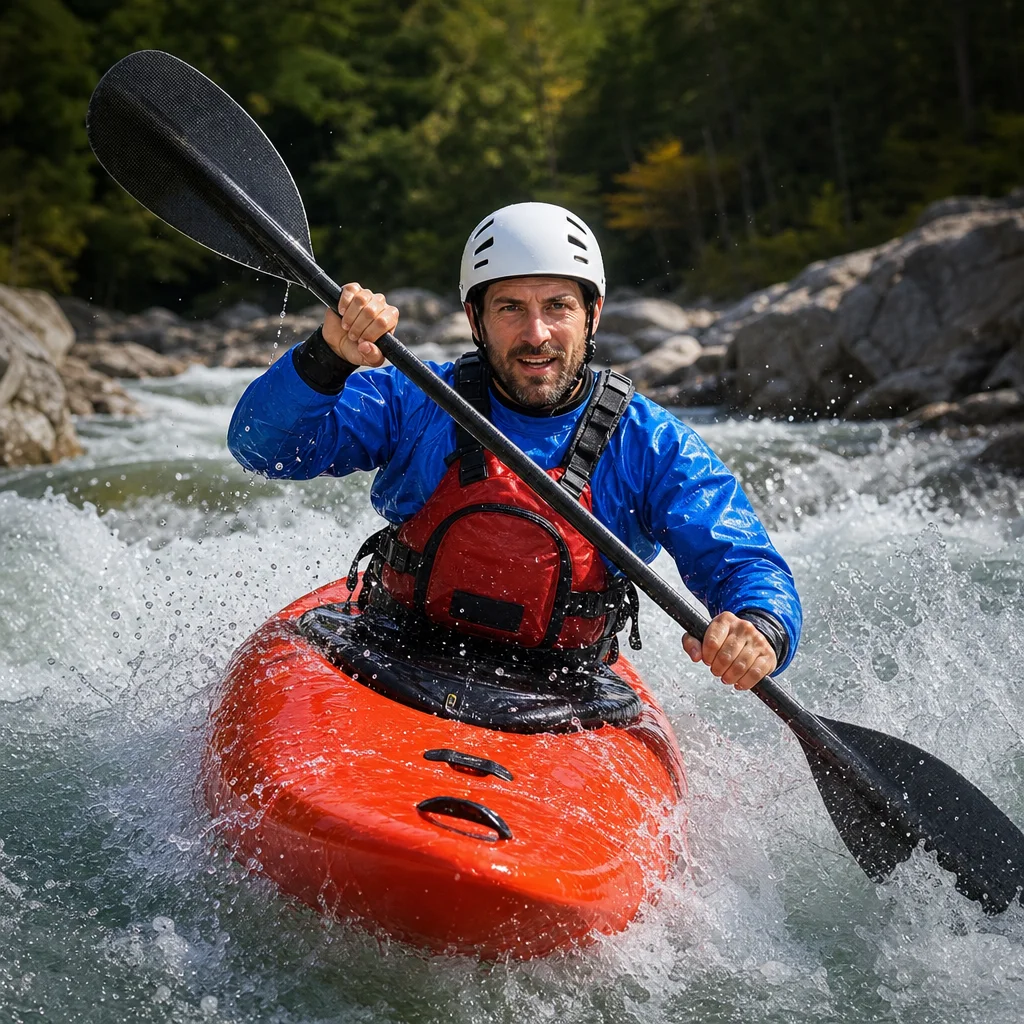
A sunny spring afternoon or calm fall morning can make a kayak trip feel comfortable at the launch. The problem is that air temperature describes how you feel before an accident, while water temperature largely determines what happens after an unexpected swim.
Cold-water kayaking requires a different planning mindset. You need to consider immersion, clothing, wind, distance from shore, your ability to reenter the kayak, and the help available if a rescue becomes necessary. No single temperature number can account for all of those factors.
Why air temperature gives you an incomplete picture
Air warms and cools quickly. Water changes temperature more slowly, so a river, lake, or coastal inlet may remain extremely cold well into a mild spring. In fall, the opposite can also happen: the air may feel pleasant while the water has already lost much of its summer warmth.
Water also removes heat from your body far more efficiently than air. Once you’re immersed, your body loses heat through contact with the surrounding water, and movement, wind, waves, and wet clothing can make the situation harder to manage.
The first danger may not be hypothermia. An unexpected fall can trigger an involuntary gasp, rapid breathing, panic, and difficulty keeping your airway clear. Cold water can also reduce hand strength and coordination, making tasks such as holding a paddle, climbing back into a kayak, or operating a phone increasingly difficult.
That sequence matters. You may become unable to perform a rescue well before you become severely hypothermic. Planning only around how long it might take to become dangerously cold misses the earlier problems that can prevent self-rescue.
Assess the whole cold-water situation
Water temperature is the starting point, not the entire assessment. Before launching, consider these factors together:
- Water temperature: Use a reliable, current reading for the specific body of water when one is available. A nearby weather station’s air temperature isn't a substitute.
- Air temperature: Cold air increases discomfort and heat loss after you’re wet, especially during a long paddle back to shore or while waiting for help.
- Wind: Wind can make a warm day feel much colder and can create waves that complicate reentry or assisted rescue.
- Water movement: Current, tidal flow, rapids, and boat traffic can move you away from your kayak, your group, or a safe landing area.
- Distance and access: A short distance on a map may still involve steep banks, marsh, private property, cliffs, or dense vegetation.
- Your margin for error: Fatigue, illness, limited experience, poor visibility, and paddling alone all reduce the time and ability you have to solve a problem.
A sheltered pond near an easy shoreline may offer more recovery options than a colder, windier section of open water, even if the measured temperatures are similar. Conversely, a familiar route can become much more demanding when spring runoff raises the current or fall winds build waves.
Check the water, not just the forecast: Before you leave, confirm the current water conditions, wind, flow or tide, access points, and any local advisories for your route. Treat a general air-temperature forecast as only one part of the decision.
Dress for the water
The basic rule is simple: dress for the water temperature and the consequences of an immersion, not for the temperature at the parking lot.
Your clothing should give you enough insulation and mobility to stay functional in the water, reach your kayak, and complete or assist with a rescue. It should also work with your personal flotation device rather than interfering with its fit.
Wetsuits
A wetsuit uses a layer of water warmed by your body to provide insulation. Its effectiveness depends on fit, thickness, coverage, and how long you remain immersed. A loose or poorly fitted suit offers less protection than one that fits closely without restricting movement.
A wetsuit can be a reasonable choice for some conditions and paddlers, particularly when combined with suitable accessories and a conservative route. It isn’t automatically adequate for every cold-water trip. Cold air, strong wind, extended immersion, and difficult reentry may require more protection than a wetsuit alone provides.
Drysuits
A properly used drysuit keeps water out and allows you to add insulating layers underneath. It can provide a larger margin for error, but it isn’t a substitute for skill or preparation. The suit must fit correctly, seals need to be in good condition, and the layers underneath must be appropriate for the conditions.
A drysuit also requires a plan for what happens if it leaks, if you overheat while paddling, or if you need to help another person. Learn how to use the suit before relying on it during a remote trip.
Small items that affect your margin
Cold-water protection includes more than a main garment. Depending on conditions, your system may include gloves or pogies, footwear that protects your feet during a swim or shore landing, head protection, and layers that remain useful after you exit the water.
Avoid wearing cotton as your primary insulating layer. When wet, it dries slowly and provides little warmth. Choose clothing that preserves movement and doesn’t create loose material that can snag on equipment.
Wear your PFD whenever you’re on the water. It helps keep your airway above the surface during an unexpected swim and reduces the effort required to stay afloat. Check its condition and fit, and make sure bulky cold-water layers don’t prevent it from sitting securely.
Choose a route that supports recovery
Cold water makes route selection part of your rescue plan. A route with frequent, usable landing areas is usually more forgiving than one that keeps you far from shore, even when the distance is modest.
Look for:
- Sheltered water with manageable waves and current
- Clear access to shore at regular intervals
- Launch and landing areas you can reach while tired or wet
- Fewer hazards such as strainers, steep banks, ice, or heavy boat traffic
- A turnaround point that still leaves enough energy and daylight for the return
In spring, fast current and floating debris may be more important than the air temperature. In fall, shortening daylight and sudden wind changes can turn a comfortable outing into a difficult return. Check the forecast trend, not only the conditions at launch.
A conservative route may mean staying close to shore, choosing a protected cove, postponing an open-water crossing, or paddling a shorter loop. These choices reduce the distance and time involved in a rescue if you capsize.
Expect rescue to be harder in cold water
A rescue isn't just a technical sequence. It is a race against declining dexterity, stress, and heat loss. Cold hands may make it difficult to deploy a paddle float, pump water, clip a tow system, open a dry bag, or use a communication device.
Practice your self-rescue and assisted-rescue skills in controlled conditions before attempting them on a cold-water trip. Practice wearing the clothing you’ll actually use, because bulky layers can change your balance and movement. Know whether your kayak’s cockpit, deck lines, paddle-float setup, pump, and other equipment work together.
If you can’t reliably reenter your kayak, consider how you’ll get out of the water without standing in an unsafe current or climbing onto an unsuitable bank. A paddle float may help with some kayaks and techniques, but it doesn’t solve every situation.
Carry communication equipment in a way that remains accessible after a capsize. A phone buried in a dry bag may be protected from water but useless if you can’t reach it. A waterproof VHF radio, personal locator beacon, or satellite communicator may be appropriate for some remote or coastal trips; learn the device’s limits and maintain the required service or battery before depending on it.
Paddle with a competent partner when conditions are unforgiving. Agree on signals, separation limits, rescue roles, and what will trigger a turnaround. Tell someone on shore where you’re going, when you expect to return, and what to do if you miss that check-in.
Common mistakes to prevent
Mistake: using a warm-air forecast as the go/no-go decision
A warm forecast can make you underdress and overestimate how long you can remain functional after a swim. Obtain water information and consider wind, current, route access, and rescue time as well.
Mistake: treating a wetsuit as a complete cold-water plan
A wetsuit provides insulation, but it doesn’t prevent cold shock, eliminate fatigue, or guarantee a successful reentry. Match the suit and layers to the conditions and your realistic rescue ability.
Mistake: practicing rescues only in summer clothing
Your winter or shoulder-season clothing changes buoyancy, mobility, and dexterity. Practice progressively in safe conditions, with a partner and a way to exit the water promptly.
Mistake: assuming a short trip is automatically low risk
A brief route can still involve cold shock, difficult access, wind exposure, or a long wait for help. Evaluate the consequences of an unexpected swim rather than relying on mileage alone.
Mistake: waiting until you feel cold to turn around
Shivering, numbness, clumsiness, confusion, and unusual fatigue are warning signs that your margin is shrinking. Turn back before those symptoms appear, especially when the return includes wind, current, or open water.
A practical cold-water decision check
Before launching in spring or fall, ask:
- What is the water temperature, and how reliable is that information?
- What happens if I’m immersed immediately after leaving shore?
- What clothing will keep me functional in the water and during reentry?
- Can I reach a safe landing point quickly from every section of the route?
- Can I perform my planned self-rescue in this clothing and kayak?
- Can my paddling partner help, and do we have a shared rescue plan?
- Will wind, current, daylight, or changing weather make the return harder?
- Do I have accessible communication equipment and a shore contact?
If several answers are uncertain, reduce the trip’s exposure rather than trying to compensate with optimism. Choose warmer or more sheltered water, stay closer to shore, go with an experienced partner, improve your clothing and rescue practice, or wait for better conditions.
Cold-water kayaking becomes more manageable when you plan for the water you may enter, not merely the air you enjoy at the launch. Check conditions, dress for immersion, choose a route with recovery options, and build enough margin that a mistake remains a problem you can solve.