How to Launch and Land a Kayak Without Scraping the Hull
I’ll compare the simplest launch and landing approaches for beginners, explain how shoreline choice and weight placement protect your hull, and help you avoid the small mistakes that cause most scrapes.
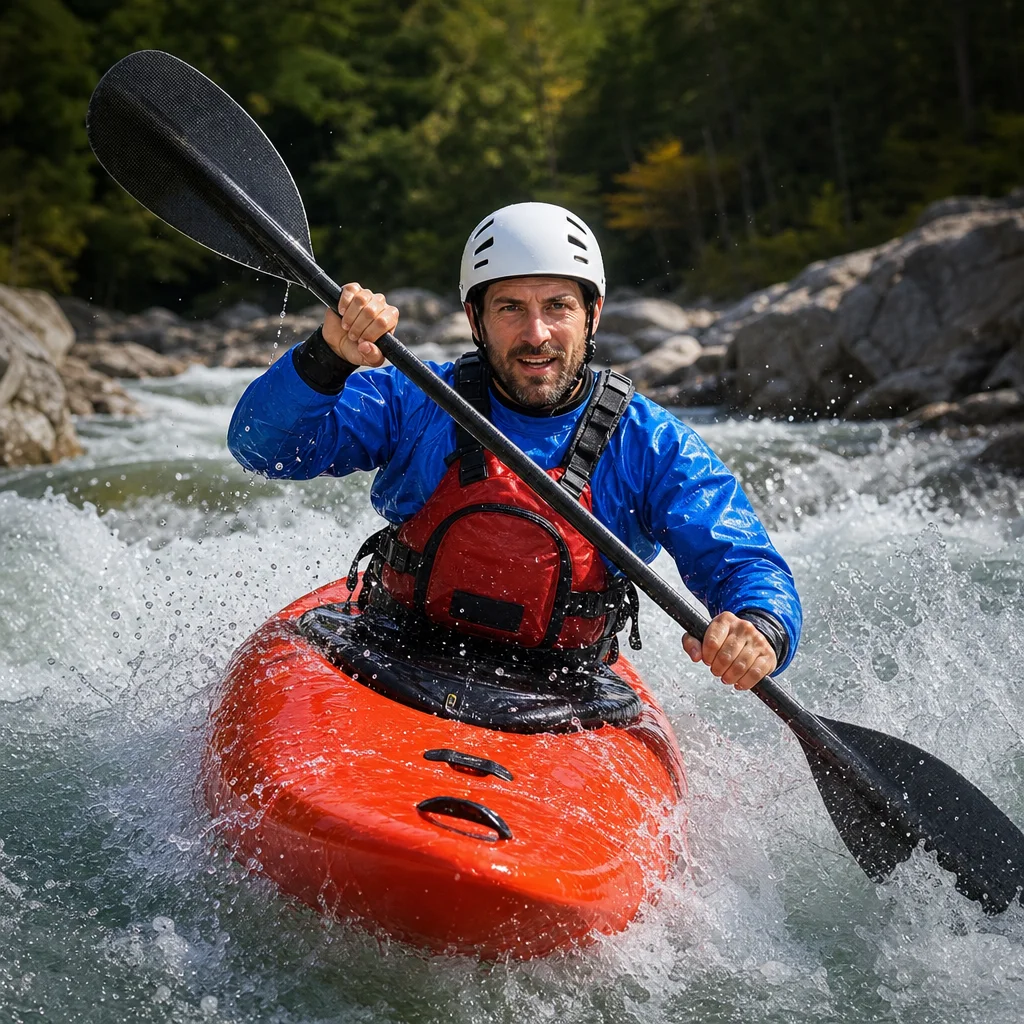
Launching and landing are often harder on a kayak than they look. The boat may feel unstable near shore, the water may be shallower than expected, and a rushed step can put your full weight on the hull or cockpit rim.
You don’t need elaborate equipment or a complicated technique. The essentials are a suitable shoreline, enough water beneath the kayak, controlled weight transfer, and a plan for getting in or out without dragging the boat.
Choose the Shoreline Before You Touch the Kayak
Look for a launch or landing spot with these features:
- Firm ground that won’t collapse under your feet
- A gradual slope into the water
- Enough depth for the kayak to float before you sit down
- No exposed rocks, concrete edges, branches, or sharp debris
- Little or no current, wake, or breaking wave action
A sandy or muddy bank can work, but soft ground may make it difficult to keep your balance. Gravel can be manageable if the stones are rounded and the kayak doesn’t have to slide over them. A gently sloping grassy bank is often easier than a steep, rocky shoreline.
Avoid launching from a high bank or narrow ledge when another access point is available. Dropping the kayak into the water may protect it from a scrape, but it makes the entry more awkward and increases the chance of a fall.
Before choosing your exact spot, check the water a short distance from shore. The kayak should float with clearance beneath the hull. A boat that is only partly floating can catch on the bottom as you enter or leave.
The Simplest Launch: Float First, Sit Second
For most beginners, the safest approach is to get the kayak floating in shallow water before taking your seat. This keeps the hull from grinding against the shoreline and lets the water support the boat while you transfer your weight.
Launching a sit-inside kayak
- Carry the kayak to the water instead of dragging it. Use the handles or a secure grip near the cockpit, and keep the boat balanced.
- Place the kayak in the water with the bow pointing away from shore.
- Push it out until the hull is floating, but keep it close enough that you can control it.
- Position the paddle across the cockpit or within easy reach. One blade can rest on the bank while the shaft crosses behind the cockpit to act as a temporary support.
- Stand beside the cockpit, facing forward.
- Hold the paddle and cockpit rim, then lower yourself onto the seat rather than dropping into it.
- Bring one leg in at a time, keeping your weight low and centered.
- Paddle away from shore before turning or adjusting gear.
The key is to lower your weight through the center of the cockpit. Don’t sit on the back deck, cockpit rim, or one side of the boat while trying to climb in.
Launching a sit-on-top kayak
A sit-on-top kayak usually gives you more room to enter, but it still needs to be floating before you put your full weight on it.
Set the boat parallel to the shoreline or point the bow outward, depending on the shape of the bank. Sit down on the edge of the seat area first, then rotate your legs onto the kayak. Keep your hands on the sides or use the paddle for support if the shaft is stable against the bank.
If you stand in shallow water, don’t push the kayak far enough out that you have to lunge for it. Move the boat only as far as needed to let it float freely, then sit down in a controlled motion.
Two Entry Approaches and Their Trade-Offs
You’ll generally choose between entering from the side or entering with the kayak pointed directly away from shore.
Side entry
With side entry, the kayak sits roughly parallel to the bank. You lower yourself into the seat from the side, then bring your legs in or onto the footrests.
This works well on a gradual shoreline with enough space beside the boat. It can be awkward if the bottom drops sharply or if the shoreline is narrow, because the kayak may shift away from you as you sit.
Bow-out entry
With bow-out entry, the kayak points into the water. You sit down at the shoreline or near the cockpit, then slide or step your legs into position.
This approach gives you a clear direction for departure and is useful when the bank is narrow. It requires more control if the kayak wants to swing sideways, so keep one hand on the boat and use the paddle as a brace rather than reaching too far.
Neither approach is automatically better. Choose the one that lets you keep your weight low, maintain three points of contact when possible, and avoid forcing the kayak over the bottom.
Use Your Paddle for Support, Not Leverage Against the Hull
A paddle can make entry easier when used carefully. Place the shaft behind the cockpit or across the kayak so one blade rests on firm ground. Hold the shaft and cockpit rim while lowering yourself.
Keep the paddle blade flat and avoid placing it on loose mud, rounded stones, or a fragile shoreline edge. If the blade slips, your balance can disappear quickly.
Don’t use the paddle as a lever to drag the kayak forward. Heavy pressure on the shaft can damage the blade, shaft, or deck fittings. The paddle is there to help you balance while your legs and arms control the movement.
How to Land Without Dragging the Hull
Landing is the reverse of launching, but it deserves just as much attention. Approach slowly, with the kayak pointed toward the selected shoreline. Reduce speed before the bow reaches the bank, and use gentle strokes to keep the boat aligned.
If the water is deep enough, let the bow reach the shore lightly. Keep paddling or use small corrective strokes so waves or current don’t turn the kayak sideways. Once the boat is stable, place the paddle where you can use it for support.
For a sit-inside kayak:
- Remove your feet from the footrests or keep them positioned so you can move easily.
- Bring the kayak close enough that the cockpit area is within a comfortable reach of shore.
- Hold the paddle and cockpit rim for balance.
- Remove one leg at a time.
- Shift your weight onto the bank while keeping your torso centered over the kayak.
- Stand only after both feet are firmly placed.
- Pull or carry the kayak farther from the water if waves, current, or other boat traffic could move it.
For a sit-on-top kayak, place your feet on the bottom or bank only when you can do so without stretching. Sit upright, move one leg at a time off the kayak, and stand after your weight is supported by the ground.
If you can’t reach the bottom comfortably, don’t jump out. A better option is to paddle parallel to the shoreline until you find a shallower, more gradual landing area.
Carry the Kayak Instead of Sliding It
A short slide over smooth sand may seem harmless, but repeated dragging wears down the hull and can catch the boat on hidden stones. Scraping becomes more likely when the kayak is loaded because extra weight presses the hull into the ground.
Use the carry handles for short distances, or carry the kayak with a partner. Keep the bow slightly elevated when moving down a bank so it doesn’t strike the ground. If you need help transporting the boat over land, use a suitable kayak cart rather than pulling it by the bow or stern handle.
Never lift a fully loaded kayak by a small accessory, such as a rudder control, deck line, hatch cover, or fishing attachment. Remove loose gear first and keep the load close to the center while carrying.
Distribute Weight Before Entering or Leaving
A kayak is easiest to control when the weight is centered and low. Place heavier items near the middle of the boat and secure them so they can’t shift during entry or landing.
Avoid loading a heavy dry bag at the extreme bow or stern just because that area is convenient. An unbalanced kayak may sit low at one end, making the hull more likely to contact the bottom.
Keep the cockpit clear of loose items. A paddle, water bottle, or dry bag underfoot can interfere with your exit. If you’re carrying equipment, secure it before launching, but leave anything you may need immediately—such as your paddle—in a reachable position.
Common Scraping Mistakes to Avoid
Launching before the kayak is floating
If the hull is still resting on the bottom, your entry weight can force it into rocks or gravel. Move the kayak into deeper water first.
Sitting on the edge while the boat is sideways
A sideways kayak can roll or slide away while you’re perched on it. Keep your body centered and lower yourself smoothly.
Arriving at shore too fast
A fast landing gives you little time to correct your angle. Approach slowly and use short strokes.
Landing on an unseen rock
Clear water doesn’t always reveal the bottom. If the kayak stops abruptly, don’t keep paddling hard. Back away and choose a different line.
Pulling the boat by a loaded handle
Handles are useful for carrying, but excessive pulling can stress the attachment points. Empty the kayak when practical and lift it over rough ground.
Ignoring changing conditions
A shoreline that was calm when you launched may be less convenient later because of wind, waves, rising water, or boat traffic. Look for more than one possible landing area before setting out.
A Minimal Launch-and-Land Checklist
Before launching, confirm that:
- The shoreline slopes gradually into water deep enough to float the kayak.
- The hull won’t contact rocks, concrete, or submerged debris.
- Heavy gear is centered and secured.
- Your paddle is within reach.
- You know how you’ll get out at the destination.
When landing, remember to:
- Slow down before reaching shore.
- Keep the bow aligned with the landing area.
- Use the paddle for balance, not to drag the boat.
- Remove your weight before moving the kayak over rough ground.
- Carry the kayak when the surface could damage the hull.
The simplest way to protect your kayak is to let the water support it as early as possible and as long as possible. Pick a gradual shoreline, keep your weight centered, enter and exit with controlled movements, and carry the boat instead of grinding it over the bottom. Those habits are enough for most calm-water launches and landings.