How to Choose Kayak Clothing for Hot, Sunny Water
I’ll help you choose kayak clothing for hot, sunny water by weighing sun protection against ventilation, drying speed, footwear, and overheating risk, so you can pack comfortably without relying on guesswork.
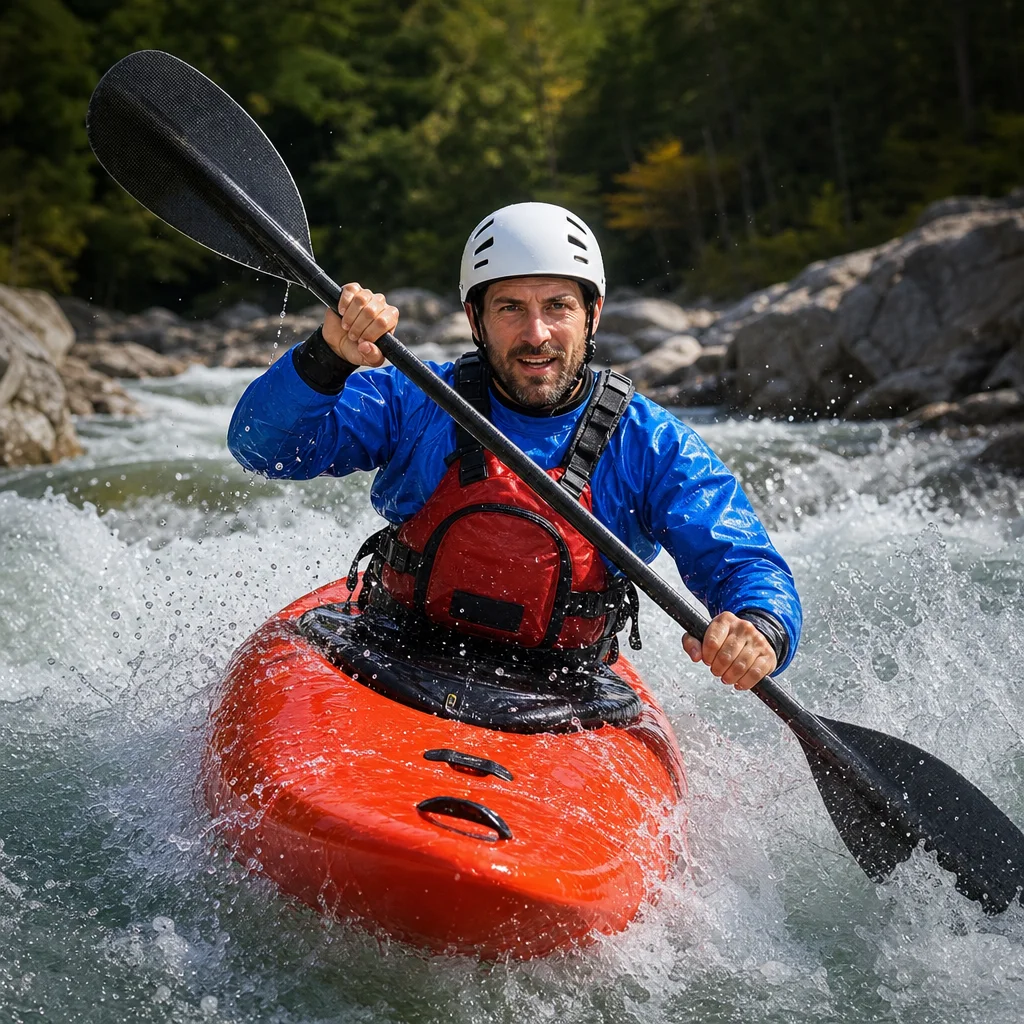
By Kyle Bennett · Kayak Gear
Warm water and bright sun can make a kayak trip feel easy—until wet cotton, bare legs, or poor ventilation leave you uncomfortable and overheated. The best clothing system protects your skin while allowing heat and moisture to escape.
You don’t need the most technical wardrobe for recreational paddling. You do need to avoid a few common mistakes: dressing only for the air temperature, confusing dampness with cooling, and choosing sun protection that makes it difficult to regulate heat.
Start with the conditions, not the outfit
Consider four factors before choosing what to wear:
- Air temperature and humidity: High humidity slows evaporation, so sweat may not cool you effectively.
- Sun exposure: Open water offers little shade, and reflected light can reach your face, neck, arms, and legs.
- Wind and water temperature: A breeze may feel refreshing but can also chill wet clothing. Cooler water increases the consequences of an unexpected swim.
- Trip length and remoteness: A short paddle near shore allows different compromises than a long crossing or an outing far from help.
For warm-weather kayaking in the Southern United States, lightweight coverage is often more comfortable than exposing large areas of skin. The goal isn't to eliminate every warm sensation. It’s to limit direct sun while keeping air moving and sweat able to evaporate.
Check the day’s heat and water conditions: Before launching, review the current heat advisory, forecast, UV information, wind, and water temperature for your specific area. Follow local park, outfitter, and waterway guidance, especially when conditions are unusually hot or storms are possible.
Choose fabrics that dry quickly
Synthetic performance fabrics such as nylon and polyester are common choices for warm-weather paddling. They generally dry faster than cotton and can move moisture away from the skin. A lightweight merino wool blend can also manage moisture and odor, although it may cost more and may not dry as quickly as a very thin synthetic shirt.
Look for clothing described as:
- Quick-drying
- Moisture-wicking
- Lightweight
- Breathable
- UPF-rated, when sun protection is part of the garment’s design
Avoid ordinary cotton as your main paddling layer. Cotton absorbs water and dries slowly, which can feel heavy and clingy. It may also become uncomfortable if wind picks up or you end up in the water.
Quick-drying fabric is helpful, but it isn’t magic. A thick synthetic shirt can still trap heat, and a very tight shirt may restrict airflow. Fabric weight, weave, fit, and color all affect comfort.
What UPF does—and doesn’t—tell you
UPF is a rating for how much ultraviolet radiation passes through fabric. A higher rating generally indicates more protection, but coverage still matters. A shirt that protects your torso doesn't cover your hands, face, ears, or the backs of your legs.
Fabric can also provide less protection when it becomes stretched, worn, or wet, depending on its construction. Follow the garment maker’s care instructions and don’t assume that one UPF-rated item replaces sunscreen or other sensible sun protection.
Build your outfit around light coverage
A useful warm-weather system often includes a lightweight long-sleeve shirt, comfortable bottoms, sun protection for your head and neck, and footwear that stays secure in the kayak.
Shirt
A long-sleeve paddling shirt or lightweight rash guard can cover your shoulders and arms without requiring constant sunscreen application. Choose a relaxed or athletic fit that lets you rotate your torso and reach forward without pulling across your shoulders.
For very humid conditions, look for mesh panels or a loose weave in areas where airflow matters. Avoid heavy layers, thick fleece, and bulky cotton hoodies unless the forecast and water conditions call for insulation.
A hood or neck gaiter can add useful coverage, but it shouldn't fit so tightly that it restricts breathing or traps excessive heat around your head and neck.
Bottoms
Lightweight paddling pants, board shorts, swim shorts, or quick-drying athletic shorts can all work. Your choice depends on how much sun exposure you want, how often your legs contact the kayak, and whether you expect to wade or swim.
Long pants offer more coverage from sun, insects, and contact with a rough seat or hull. Shorts may feel cooler and make it easier to move around, but they leave more skin exposed and can create uncomfortable contact with the kayak’s seat or cockpit rim.
Avoid loose fabric that can catch on deck fittings or interfere with a spray skirt. If you wear leggings or fitted paddling pants, check that they allow easy knee movement and don’t bunch behind your legs.
Head and neck
A brimmed hat can shade your face, ears, and neck. A chin strap or retention cord is useful in wind, but it should release or be easy to remove if the hat catches on something. A baseball cap protects the front of your face but leaves your ears and neck more exposed.
A wide-brimmed hat may be comfortable on a sit-on-top kayak but can interfere with a low deck, a spray skirt, or a high-back seat. Test the hat while looking over both shoulders before committing to it for a longer trip.
Sunglasses should fit securely and provide suitable protection from bright light. A floating retainer can prevent an avoidable loss if they fall overboard. Keep a spare pair or a backup eye-protection option if clear vision is important for navigation.
Treat footwear as part of your safety system
Warm water doesn’t mean bare feet are automatically a good choice. Shoes protect against sharp rocks, shells, hot surfaces, slippery launches, and hidden debris.
Choose footwear with:
- A sole that grips wet surfaces
- A secure fit that won’t slip off in moving water
- Drainage or quick-drying materials
- Enough flexibility for comfortable foot placement
- No long laces or loose straps that can tangle with equipment
Water shoes are versatile for beaches, launches, and sit-on-top kayaks. Neoprene booties provide more protection from abrasion and cooler water but may feel too warm in extreme heat. Lightweight sandals can work if they have secure straps and a suitable sole; loose flip-flops are poor choices for launching, landing, or swimming in current.
Balance sun protection with overheating risk
Covering up can reduce sun exposure, but more clothing isn't always safer in extreme heat. Watch for warning signs such as unusual fatigue, headache, dizziness, nausea, confusion, weakness, or a rapid decline in coordination. Don’t assume that being surrounded by water prevents heat illness.
To improve ventilation:
- Choose loose or athletic fits rather than compression layers everywhere.
- Prefer lightweight, breathable materials.
- Use vents or mesh panels where they don’t compromise sun coverage.
- Wet a shirt with clean water if that feels cooling and the conditions allow it.
- Take breaks in shade when available.
- Drink regularly rather than waiting until you feel very thirsty.
Water, electrolytes, and food should be planned around the trip length and heat. Don’t place all your drinking water in a storage area that becomes difficult to reach while paddling. Keep it secured so it can’t become loose during a capsize or rough landing.
If you develop significant symptoms of heat illness, stop paddling, get to a cooler location, and seek appropriate medical help. A partner should know where you are and be able to assist rather than assuming you simply need to cool off for a minute.
Don’t forget the clothing you need after a swim
A sunny day can still include an unexpected immersion. Pack a dry change of clothes in a waterproof or reliably water-resistant bag, especially if you’re paddling a sit-inside kayak or traveling far from your vehicle.
Your clothing should work with your flotation equipment. A properly fitted personal flotation device should sit securely over the layers you plan to wear. Avoid bulky clothing that changes the fit or interferes with adjustment points. If you use a spray skirt, confirm that your shirt, jacket, and waist layers don’t obstruct the tunnel or create uncomfortable bunching.
For more remote trips, carry a lightweight insulating layer even when the launch temperature is high. Wind, rain, shade, or an unexpected swim can change your comfort quickly. It can stay packed until needed; leaving it behind is harder to fix.
Common clothing mistakes to avoid
Wearing a cotton T-shirt because it feels cool at launch
Cotton may feel familiar, but it can become heavy and slow to dry. Replace it with a lightweight quick-drying shirt, or at least pack a dry alternative.
Choosing dark, heavy clothing for maximum coverage
Coverage is useful, but a thick, heat-absorbing garment can make hot conditions harder to manage. Select a lightweight, breathable layer and use shade, timing, and breaks as part of your heat strategy.
Relying on sunscreen alone
Sunscreen is useful for exposed skin, but it can wear away through sweat, water, and towel drying. Clothing, a hat, sunglasses, and planned shade reduce how much exposed skin requires repeated application. Use sunscreen according to its label and reapply as directed.
Wearing loose sandals or bare feet around the launch
The launch area is often where slips, cuts, and stubbed toes happen. Secure footwear is more useful than a minimal outfit until you’re seated and underway—and again when you land.
Buying an outfit without trying it in the kayak
A shirt can feel comfortable standing up but bind at the shoulders when you reach forward. Pants can bunch behind your knees, and a hat can block your view. Sit in your kayak, move through a few paddle strokes, and check your visibility before a long outing.
A simple warm-weather clothing checklist
For many recreational trips, start with:
- Lightweight quick-drying shirt, preferably with useful sun coverage
- Shorts or lightweight paddling pants that allow free movement
- Secure water shoes or other suitable paddling footwear
- Brimmed hat or cap with a retention cord
- Sunglasses with a secure or floating retainer
- Sunscreen for exposed skin
- Properly fitted personal flotation device
- Dry change of clothes in protected storage
- Light insulating or wind-resistant layer for changing conditions
- Enough water and food for the planned outing
Adjust that list for the forecast, water temperature, distance from shore, and your ability to get help. The most comfortable outfit is the one that protects you from the sun without making heat management difficult—and still gives you sensible options if the trip changes. as the day progresses.