How to Dress for a Warm Day When the Water Is Still Cold
I’ll help you choose paddling layers for a warm day when Great Lakes or northern water remains dangerously cold, with practical ways to manage immersion risk, overheating, launch comfort, and the mistakes beginners most often make.
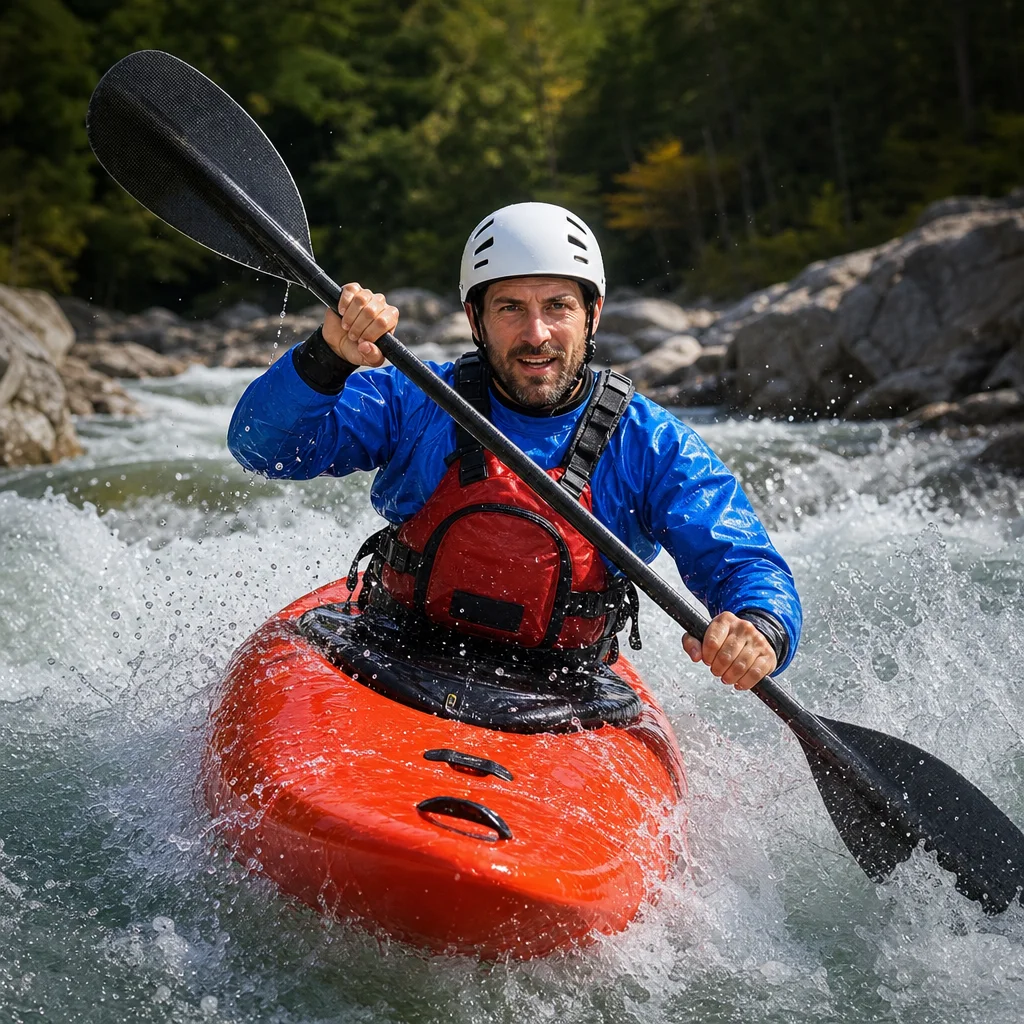
By Kyle Bennett · Kayak Gear
Warm air can make a spring or early-summer paddle feel like a shorts-and-T-shirt outing. Cold water changes the decision. If you capsize, your clothing needs to protect you in the water—not just keep you comfortable while you’re sitting in the kayak.
The goal is to dress for the water temperature and the likelihood of immersion, then manage heat during the walk to the launch, setup, and paddling. That usually means choosing layers that work when wet, carrying a dry change, and avoiding the common mistake of dressing for the beach instead of the swim.
Start with immersion risk, not the air temperature
Air temperature tells you how warm you may feel before launch. Water temperature tells you how quickly a capsize can become a serious problem. In the Great Lakes and northern United States, water can remain very cold well after sunny weather arrives, particularly in early spring, after snowmelt, or on large lakes exposed to wind.
Ask yourself three questions before choosing clothing:
- If I capsize, can I get back into the kayak without standing or swimming a long distance?
- How far am I from shore, and how difficult would it be to reach it?
- Will the clothing keep me functional long enough to self-rescue or receive help?
A calm lake close to shore may carry less risk than open water, but cold water still deserves respect. Your skill, kayak stability, wind, waves, distance from land, and access to assistance all affect the consequences of a swim.
Check the water before you dress: Look up the current water temperature, wind, forecast, and any local advisories for your launch area. Conditions can vary substantially between a sheltered bay, a river, and exposed Great Lakes shoreline, so don’t rely only on the air temperature or yesterday’s forecast.
Choose clothing that protects you in the water
Wetsuits for moderate cold-water conditions
A wetsuit uses a layer of neoprene to slow heat loss when it becomes wet. It can be a sensible choice for relatively short trips, active paddling, and conditions where you could reasonably self-rescue, provided the thickness and design match the water temperature and your exposure.
For kayaking, a sleeveless farmer-john style wetsuit often gives your torso and legs more protection while allowing comfortable arm movement. A full suit provides more coverage but may feel hot during a warm approach or vigorous paddling. Neoprene tops, pants, boots, gloves, and accessories can supplement coverage, but avoid treating one thin garment as complete cold-water protection.
A wetsuit should fit closely without restricting breathing or paddling. Loose neoprene lets water circulate and reduces its insulating value. It shouldn't pinch at your neck, shoulders, or knees, either. Try the suit with your paddling layers and sit in your kayak before committing to a long trip.
Drysuits for colder, more committing conditions
A drysuit is designed to keep water out with waterproof fabric, seals, and integrated socks or compatible footwear. It doesn’t create warmth by itself. You still need insulating layers underneath, and you need to keep the suit in good condition.
A drysuit becomes more attractive when the water is very cold, the trip is longer, rescue would be difficult, or conditions could turn rough. It can also be more comfortable than a wetsuit when you need broad protection without wearing thick, heat-trapping neoprene against your skin.
Inspect wrist and neck seals, zipper operation, and fabric condition before each outing. A damaged seal or poorly closed zipper can undermine the protection you expected. If you’re new to drysuits, learn how to layer underneath without compressing the insulation and practice basic rescue skills while wearing the complete system.
When regular clothing isn't enough
Quick-drying clothing can be useful in warm water or low-consequence conditions, but it shouldn’t be confused with cold-water protection. Nylon shorts and a moisture-wicking shirt may feel excellent while paddling and offer little help during an unexpected swim.
Avoid cotton next to your skin when immersion is possible. Cotton absorbs water, dries slowly, and can leave you cold after the initial shock has passed. Fleece, synthetic insulation, and wool can be more useful under appropriate protective outerwear because they retain more insulating ability when damp.
A rain jacket may block wind and light spray, but it usually isn’t a substitute for a paddling dry top or drysuit. Standard rainwear can leak around the waist and wrists, restrict movement, or trap sweat without providing reliable immersion protection.
Build a system for both the approach and the paddle
The best cold-water clothing system can feel too warm while you’re carrying the kayak. That doesn’t mean you should leave protective layers at home. Instead, plan how you’ll adjust them before and after launch.
Use removable layers
Start with a moisture-managing base layer. Add insulation according to the water and weather, then use a wind- and water-resistant outer layer when needed. Make sure the combination allows you to rotate your torso and move your arms freely.
For a warm approach to the launch, wear the protective base layers but carry the outer layer until you reach the water. If you’re wearing a wetsuit, open the top or remove a loose layer during setup if doing so doesn’t leave you unprepared for an immediate capsize. Put everything back in place before launching.
Don't peel off your main immersion protection simply because you feel sweaty on shore. A short period of discomfort is easier to manage than being underdressed once you’re on cold water.
Protect hands and feet
Cold hands can make it harder to control a paddle, operate a spray skirt, or perform a rescue. Neoprene gloves or pogies can help, but each has trade-offs. Gloves keep your hands covered while you hold the paddle. Pogies attach to the paddle shaft and let you grip the paddle directly, which many paddlers find improves control.
Your footwear should protect your feet during launch and provide enough room for your toes. Tight boots compress insulation and can make feet colder. Water shoes or sandals may be comfortable in summer but offer limited protection in cold water. Neoprene booties or paddling boots are generally more appropriate when a swim is possible.
Avoid bulky clothing that prevents your feet from exiting the kayak or interferes with your foot braces. Check your cockpit fit with the footwear and layers you actually plan to wear.
Keep your head and face comfortable
A warm day can make a thick hat feel excessive, but cold water can quickly make head protection useful during a swim. A thin synthetic or wool hat may be enough in some conditions; a neoprene hood or cap provides more protection in colder water.
Sun protection still matters. Choose a brimmed hat, sunglasses with a retention strap, and sunscreen when appropriate. Just keep those items from becoming substitutes for thermal protection.
Prevent overheating without reducing your safety margin
Overheating can cause fatigue, poor judgment, and unnecessary stops. You can reduce it without switching to summer clothing too early.
Paddle at a moderate pace during the first part of the trip. Vent a suitable outer layer when you’re away from shore and conditions allow, but keep your protective clothing ready to close quickly. Drink regularly, and carry water where you can reach it without leaving your seat or losing control of the kayak.
Plan a short clothing check after launching. Ask whether you’re sweating heavily, whether your hands are working normally, and whether you can still move freely. If you need to remove a layer, choose a safe landing or sheltered location rather than balancing in open water while changing clothes.
Never tie essential clothing loosely to the deck where it can blow away or become tangled. Store removable layers in a secured dry bag. If a capsize occurs, your spare clothing should remain available and dry rather than floating beyond reach.
Common mistakes to avoid
Wearing shorts because the forecast is warm
Shorts may be reasonable for a warm-water outing with minimal immersion consequences. They are a poor default when the water remains cold. Use water temperature, trip distance, and rescue options to make the decision.
Wearing a bulky coat under a spray skirt
A large insulated coat can restrict movement, interfere with the spray skirt seal, and create problems during a wet exit. Use paddling-specific layers that fit the cockpit and allow you to move your shoulders and arms.
Assuming a life jacket replaces thermal protection
A properly fitted personal flotation device helps you stay afloat, but it doesn't prevent cold shock or keep your core warm. Wear it over your clothing whenever you’re on the water, and treat flotation and thermal protection as separate parts of the system.
Testing conditions with an intentional swim
Don't experiment with cold water alone or far from shore. Practice wet exits and rescues in controlled settings with qualified instruction and appropriate equipment. A short deliberate test doesn't fully represent an accidental capsize in wind, waves, or heavy clothing.
Ignoring the return trip
A paddle can become more difficult when the wind increases, your clothing gets wet, or fatigue sets in. Leave enough time and energy to return, and consider how your clothing will perform if the wind shifts or you must wait for assistance.
A simple clothing decision checklist
Before leaving, confirm that:
- Your clothing is chosen for the expected water temperature and immersion risk.
- You can move, wet-exit, and re-enter your kayak in the complete outfit.
- Your layers fit under or over your spray skirt and personal flotation device.
- Your hands and feet have suitable protection for the launch and a possible swim.
- You have secured spare clothing in a waterproof bag.
- You can adjust ventilation without removing your main cold-water protection.
- Your route, forecast, skill level, and rescue plan match the conditions.
For a warm day over cold northern water, comfort at the launch is only one part of the decision. Dress so a capsize remains manageable, then control heat with removable layers, steady pacing, hydration, and sensible breaks. If you’re uncertain, choose the option that gives you more time and ability to help yourself in the water—not simply the outfit that feels best on shore.