What to Pack for a Kayak Picnic Without Making the Boat Unstable
A stable kayak picnic starts with prioritizing balance, dry storage, and safety gear over extra comforts. I’ll show you how to pack food, drinks, waste supplies, and simple picnic items so they stay accessible without making the boat harder to handle.
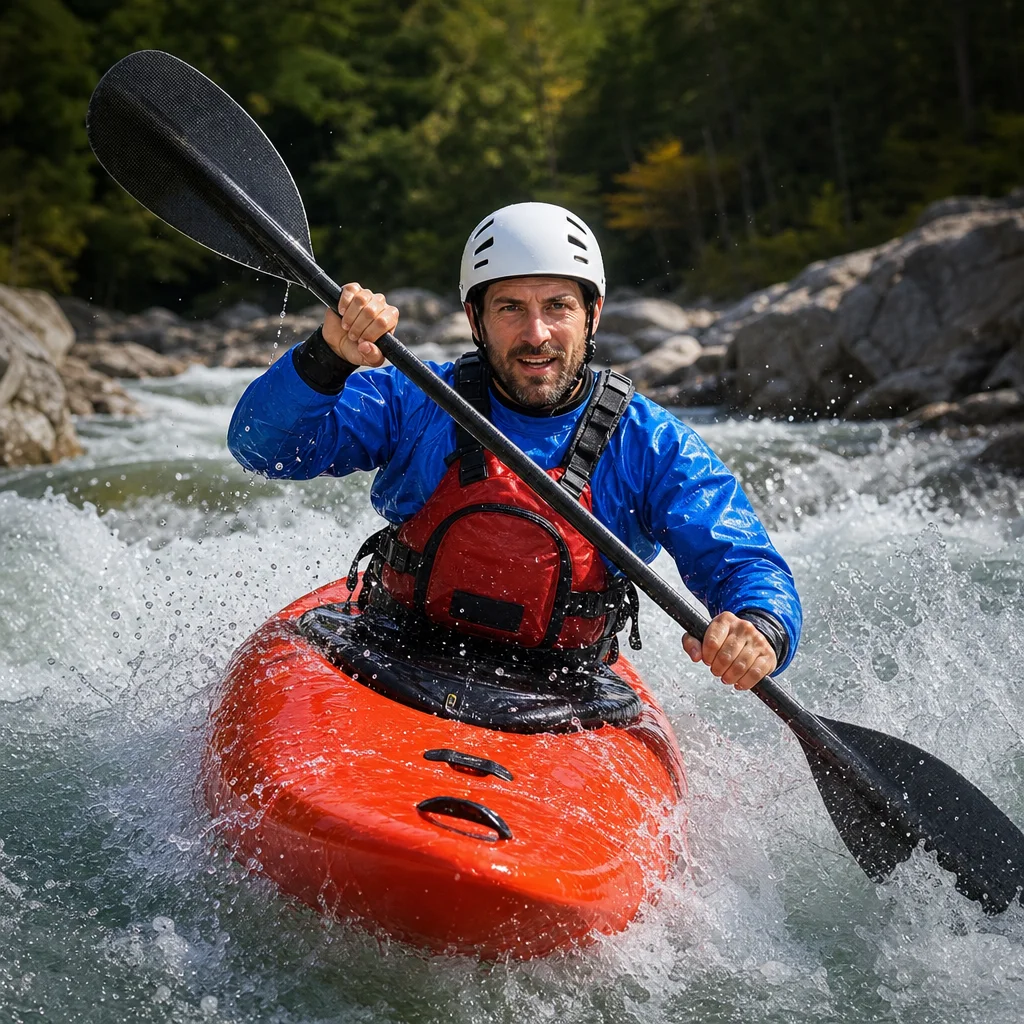
A kayak picnic can become awkward when every item is packed as if you were loading a car. Too much weight, loose gear, and poorly placed drinks can make the boat less stable and turn a relaxed outing into a series of small problems.
The goal is to bring enough for the trip while keeping the kayak balanced, the cockpit clear, and essential safety equipment immediately available. A little planning also helps you avoid the most common picnic-packing mistakes: carrying too much water, putting heavy items high on the deck, and storing food where you can’t reach it without twisting or leaning.
Start with the essentials, not the picnic menu
Before choosing snacks and comfort items, account for the gear that supports a safe outing. Your packing list should include:
- A properly fitted, readily accessible personal flotation device for each paddler
- A paddle and any small spare or repair items appropriate for the trip
- Drinking water
- Sun protection, such as sunscreen, a hat, and clothing that covers exposed skin
- Weather-appropriate layers
- A basic first-aid kit
- A phone or other communication device protected in a waterproof case
- Keys, identification, and other small essentials in a secure dry bag
- Any required lights, signaling equipment, or location-specific safety gear
These items take priority because a picnic is optional; staying comfortable and able to respond to changing conditions isn't. Keep safety equipment where you can reach it without unpacking lunch first.
If you’re paddling with children, plan their required gear separately rather than treating it as part of the shared picnic load. Each child should have suitable flotation equipment and clothing for the conditions.
Check the launch plan: Before leaving, confirm local access rules, weather and water conditions, boat requirements, and any restrictions on fires, alcohol, glass containers, or food disposal. Conditions and regulations vary by location and can change.
Pack by weight and access
A kayak’s stability depends partly on how its load is distributed. Heavy items placed high, far to one side, or at the extreme ends can make the boat feel less predictable. They can also make it harder to correct your balance if you lean or encounter boat wakes.
Use this simple order when loading:
- Put dense items low in the hull or in the lowest available storage area.
- Keep the weight centered from left to right.
- Distribute heavier gear between the front and rear compartments instead of concentrating it all in one end.
- Place light items on top or in easy-access deck storage.
- Leave room around your feet and knees so you can adjust your position comfortably.
For a recreational day trip, this usually means water bottles, food containers, and a compact cooler belong low and near the kayak’s center of mass. Lightweight clothing, towels, and empty bags can fill less central spaces.
Avoid using the deck as a general-purpose shelf. A dry bag strapped across the front may be convenient, but a large or heavy bag can raise the load and interfere with paddle strokes. Anything on deck should be secured so it can’t slide into the water or become a snagging hazard.
Don’t load one side first
A common mistake is filling one hatch or one side of the cockpit before deciding where the rest of the gear will go. The kayak may feel fine at the launch, then list when you add a cooler, child’s bag, or full water container to the opposite area.
Lay everything out on shore before loading. Group items by approximate weight and place similar amounts on opposite sides when possible. Once afloat, notice whether the kayak sits level. If it leans noticeably, return to shore or adjust the load rather than trying to compensate with awkward body positioning.
Choose food that travels well
Kayak picnics work best with compact food that doesn’t require elaborate preparation. Select items that are easy to eat with one hand, produce little waste, and won’t create a mess if the kayak moves.
Good options include:
- Sandwiches or wraps cut in half and packed in firm containers
- Fruit that is already washed and portioned
- Granola bars, crackers, trail mix, or other low-mess snacks
- Cheese, vegetables, or other chilled foods in a sealed container
- Small portions rather than one large container that everyone must handle
- Reusable utensils if the food requires them
Pack individual servings when possible. A single large bowl may seem efficient, but it can be difficult to pass around in a narrow cockpit and more likely to spill. Small containers also let you keep most of the meal sealed until it’s needed.
Use containers with secure lids rather than thin bags that can burst under other gear. A soft cooler can be useful for a short outing, but avoid packing it so full that it becomes difficult to stow low and centered.
Keep food separate from wet gear
A dry bag is useful for bread, clothing, electronics, and other items that need protection. It isn’t a substitute for leakproof food containers. Put foods with sauces, cut fruit, and drinks in sealed containers first, then place them in a dry bag or cooler as appropriate.
Separate clean food from trash and wet equipment. A small washable bag for wrappers, cores, and used napkins keeps waste from spreading through the cockpit. Pack a few extra bags in case something leaks or a group produces more trash than expected.
Carry enough water without overloading the boat
Water is one of the heaviest items in a picnic load, so it deserves deliberate planning. Bring enough for the expected duration, conditions, and paddling effort, but avoid carrying several oversized containers simply because they’re convenient at home.
Use smaller bottles or a hydration reservoir that can be secured low in the kayak. Smaller containers are easier to share and less disruptive if one person needs a drink while afloat. Don’t leave bottles rolling loose in the cockpit; a loose bottle can end up under your legs or behind your feet when you need it.
For longer outings or hot conditions, your water needs will be greater. That may mean reducing optional picnic gear, using a larger boat with more carrying capacity, or choosing a shorter route. Don’t solve a capacity problem by cramming heavy supplies onto the deck.
Make comfort items earn their space
A few comfort items can make a picnic more enjoyable, but they’re also where packing tends to expand. Choose items that serve more than one purpose:
- A lightweight sit pad can provide insulation and a clean place to sit on shore.
- A compact towel can dry hands, cushion a container, or help with a small spill.
- A brimmed hat can provide shade while paddling and during the meal.
- A small ground cloth can keep food and bags off damp sand or grass.
- A collapsible cup or utensil set takes less space than disposable extras.
Skip bulky chairs, large blankets, glass containers, and anything you’d be unwilling to lose in a capsize. If an item can't be secured, stays wet, or is useful for only a few minutes, it may not justify its space.
A picnic table or shoreline destination may make comfort gear worthwhile. For a stop on a small beach with limited landing space, minimalist packing is usually better.
Keep the cockpit clear and the load secure
Your feet, knees, and paddle need room to work. Avoid placing food bags between your legs or stacking items where they block your exit. A crowded cockpit makes ordinary movements more difficult and can complicate a wet exit or assisted rescue.
Secure each bag so it stays with the kayak if the boat tips. Use storage compartments, tie-down points, or properly closed deck bungees. Don’t attach loose cords where they can catch on your paddle, feet, or other equipment.
A useful rule is that everything should have a specific location before you launch. If you need to search through multiple bags for a snack, you’ll probably make the same problem worse when you’re tired, wet, or dealing with wind.
Common mistakes to prevent
Bringing too many drinks
Variety is pleasant, but multiple cans, bottles, and insulated cups add weight quickly. Pick one main drink for each person and pack it in a stable, reusable container. If you bring anything carbonated, use a secure container and keep it from being crushed or overheated.
Treating a cooler like a storage bin
A cooler can become the heaviest object in the kayak. Pack only what needs chilling, use cold packs efficiently, and keep the cooler low. If it can't fit securely in a hatch or behind the seat without interfering with movement, use smaller containers instead.
Packing for an imagined emergency
It’s sensible to carry basic backup supplies, but bringing a full household kitchen defeats the purpose of a small kayak picnic. Focus on gear that addresses likely needs: hydration, weather changes, minor injuries, communication, and cleanup.
Leaving waste until the end
Trash gets harder to manage when wrappers and containers are scattered around the boat. Designate one small, closed waste bag before the first snack is opened. Carry out all food scraps and packaging, and avoid feeding wildlife at the picnic stop.
Ignoring the return trip
The kayak may handle differently after food is eaten, ice melts, or wet clothing is added. Keep bags secured even when they’re partly empty, and don’t discard packaging overboard. A half-empty cooler can slide more easily than a full one, so re-tighten or reposition it before paddling back.
A simple final packing sequence
Set aside safety gear first, then arrange the picnic load around it. Place heavy items low and near the center, distribute weight from side to side, and reserve the easiest-to-reach location for water and a small snack.
Before launching, check that:
- The kayak sits level in the water.
- The cockpit and foot area are clear.
- Every bag or container is closed and secured.
- Food and drinks can be reached without excessive leaning.
- Waste has a dedicated container.
- Required safety equipment remains accessible.
- Nothing fragile, loose, or unnecessarily heavy is on the deck.
If the kayak feels crowded or unstable at the shoreline, remove optional items before you launch. A smaller picnic with a balanced boat is more comfortable than a generous meal that makes paddling difficult. Pack for the outing you’re actually taking, keep the important gear accessible, and let the water—not the cargo—be the main part of the day.