What to Bring for a First Kayak Camping Overnight
I’ll compare the packing choices that matter most on a first kayak camping overnight, from dry-bag organization and shelter to food, water, clothing, and safety gear. You’ll get a balanced system that protects essentials without making your kayak awkward to handle.
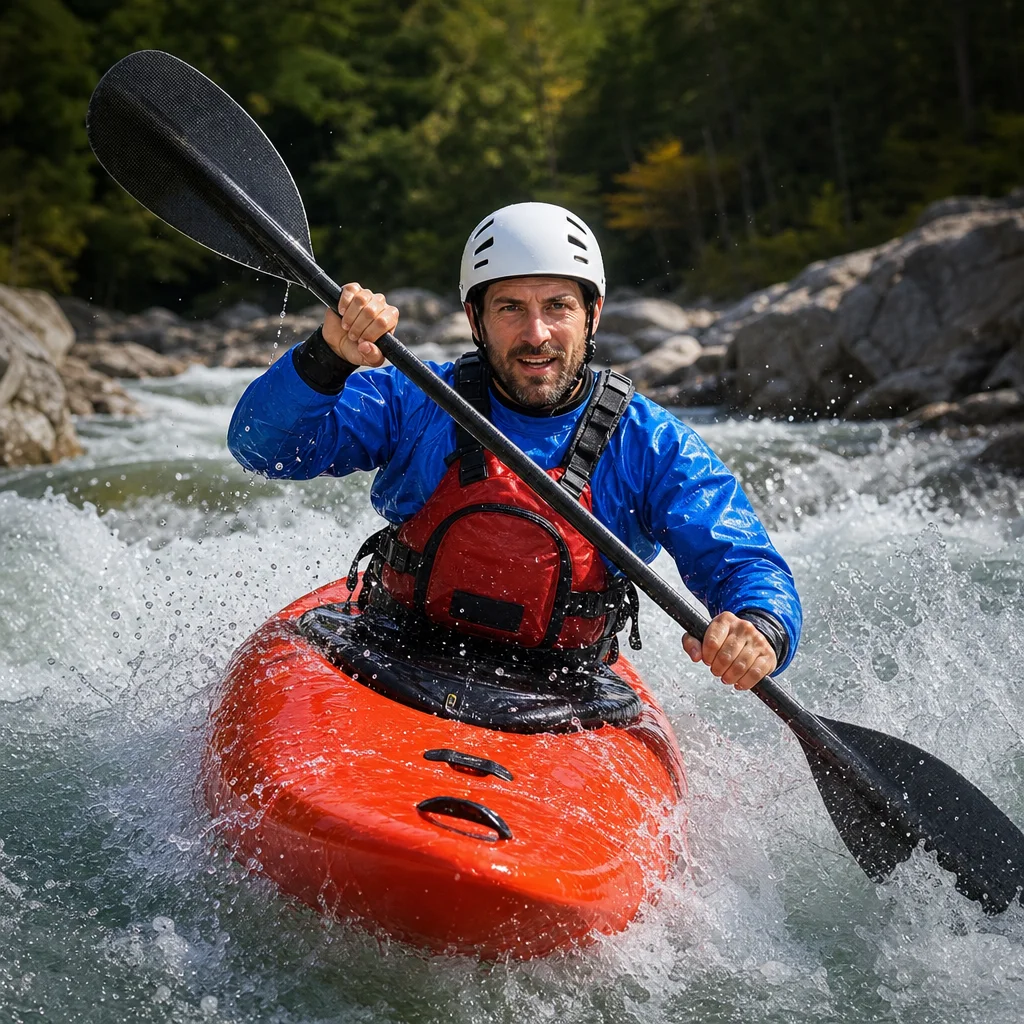
Your first kayak camping overnight can feel like a conflict between comfort and control. You need enough food, shelter, clothing, water, and safety equipment to stay self-sufficient, but every extra item takes up limited storage and can make the kayak harder to load and paddle.
The best approach isn't to pack as lightly as possible. It’s to separate essential equipment from optional comfort items, protect the gear that must stay dry, and keep the heaviest items low and near the kayak’s center. That gives you a manageable load without leaving important gaps.
Start with the non-negotiable essentials
Before choosing camp luxuries, build a list around the things that keep you safe, sheltered, hydrated, fed, and able to respond to a problem.
For one overnight trip, your core kit usually includes:
- A properly fitted personal flotation device (PFD) for each person
- A kayak paddle and a spare paddle or shared backup plan appropriate to the trip
- Shelter, such as a tent or hammock system suited to the campsite
- Sleeping bag or quilt rated for the expected overnight conditions
- Sleeping pad
- Drinking water and a way to treat additional water if a reliable source is available
- Food and a simple cooking or no-cook meal plan
- Warm and rain-protective clothing
- Navigation tools, such as a map and compass, with a charged phone or GPS as a supplement
- First-aid supplies
- Headlamp with fresh or charged batteries
- Sun protection and insect protection
- Basic repair and emergency supplies
Your PFD should be worn while you’re on the water, not buried in a hatch. A paddle float, bilge pump, and appropriate rescue knowledge can also be important, especially if you’ll be paddling alone, in open water, or beyond easy swimming distance from shore.
Divide your packing list into four groups
A simple system makes packing and unpacking much easier. Sort everything into four groups:
- On-water essentials: Items you may need while paddling or immediately after a capsize.
- Camp essentials: Shelter, sleep system, clothing, food, and hygiene items.
- Emergency and repair gear: Equipment for injury, communication, navigation, and equipment failure.
- Optional comfort items: Extras that improve the trip but aren’t necessary for a safe overnight.
This division helps you avoid a common mistake: putting your pump, first-aid kit, or dry clothing deep inside a hatch because it seemed convenient during the initial packing.
Use small, clearly labeled dry bags rather than one large bag. A large bag may hold more efficiently, but it can be difficult to remove through a narrow hatch. Several smaller bags also let you balance the kayak and find one item without emptying the entire compartment.
Check the trip’s current rules: Before you leave, confirm access hours, camping permissions, permits, fire restrictions, water availability, and any local requirements for your launch and campsite. These details vary by park, shoreline, and season.
Pack for waterproofing, not just storage
A kayak hatch isn't automatically a dry storage area. Water can enter through hatch covers, deck fittings, or condensation, and a wet landing can soak gear before you reach camp.
Use a waterproof liner or dry bag for anything that would create a serious problem if wet:
- Sleeping bag or quilt
- Dry sleeping clothes
- Insulating layers
- First-aid supplies
- Phone, wallet, and other electronics
- Fire-starting materials
- Maps and paper documents
Double-bag particularly important items. For example, put your sleeping bag in a compression sack only if the sack is designed for reliable water protection, then place it inside a larger dry bag or heavy waterproof liner. Compression can save room, but it shouldn't replace waterproofing.
Avoid relying on zip-top plastic bags for major items. They can work as secondary barriers or organizers, but they aren't a durable substitute for purpose-built dry bags on a kayak camping trip.
Keep one set of clothes reserved for sleeping. If your paddling clothes become damp, that dry set gives you a better chance of staying comfortable at camp. Store it in its own clearly marked bag rather than mixing it with the rest of your clothing.
Balance the kayak carefully
A kayak that is technically able to hold your gear may still paddle poorly when loaded badly. Excess weight can reduce freeboard, increase wind sensitivity, and make the boat slower to turn or recover from waves.
Place heavier items low in the hull and near the middle of the kayak. Water containers, food, cooking equipment, and dense repair items usually belong close to your hips or slightly forward of them, depending on the kayak’s storage layout.
Use the bow and stern compartments for lighter, bulky items such as:
- Sleeping bag and sleeping pad
- Tent body and rainfly
- Clothing
- Empty stuff sacks
- Lightweight camp chair, if you bring one
Avoid putting all the weight in the stern. A stern-heavy kayak can sit low at the back, handle sluggishly, and become more difficult to control in wind or current. After loading, check that the kayak sits evenly and that neither end is excessively low.
Keep frequently needed items accessible. A small deck bag can hold sunscreen, snacks, a map, and a phone in a waterproof case, but don’t overload the deck or create loose equipment that could interfere with a rescue.
Choose a simple sleep system
For a first overnight, use equipment you understand and can set up without guesswork. A basic tent, sleeping bag, and sleeping pad are often the simplest combination.
Your shelter should match the campsite and expected weather. Check that the tent fits through the kayak’s hatch openings before the trip. Some backpacking tents pack small but have long poles that are difficult to store in a kayak.
A hammock can work where suitable trees are available, but it needs insulation beneath you in cooler conditions. It also may not be permitted or practical at every campsite. A ground shelter is more versatile when you aren’t certain what the site will be like.
The sleeping pad matters more than many beginners expect. It provides insulation from the ground as well as cushioning, and a compact inflatable pad can save valuable space. Bring a patch kit if the pad is inflatable.
Pack a small, dry sleep kit that includes:
- Sleeping bag or quilt
- Sleeping pad and repair patch
- Tent, stakes, and poles
- Sleep clothing
- Earplugs or an eye covering, if useful to you
Practice setting up the shelter at home and, if possible, in the yard with the same stakes and groundsheet you’ll use on the trip.
Plan food and water before you pack
Food should be easy to carry, easy to prepare, and unlikely to spill inside the kayak. For one night, you don’t need an elaborate camp kitchen.
A practical food plan might include:
- A breakfast that needs little preparation
- A lunch that can be eaten cold
- A dinner with a short cooking time or no cooking at all
- Snacks for the paddle and camp
- A hot drink, if that improves your comfort
Repack food into compact, sealed containers or bags. Remove unnecessary cardboard packaging, but keep cooking instructions when they matter. Include a small amount of extra food for delays without packing a full second day of meals.
Water is often the heaviest part of the load, so decide how much you need before departure. Account for drinking, cooking, and a reserve for delays. If you plan to treat water at camp, bring a filter, purifier, or other method suitable for the source and carry enough water to cover the journey to that source.
Don't assume that a stream, lake, or campground spigot will be available or safe to use simply because it appears on an old map. Confirm the current situation for your route and campsite, and bring more water if the information is uncertain.
A compact stove, fuel canister or other fuel source, lighter, pot, mug, and spoon are enough for many first trips. Keep fuel secured and follow the manufacturer’s instructions. A no-cook menu removes stove and fuel concerns, but it may require more careful food planning.
Pack clothing for changing conditions
Your clothing should cover the possibility of getting wet, colder temperatures after sunset, and wind on the water. Avoid packing a separate outfit for every part of the day.
A useful clothing system includes:
- Quick-drying paddling clothes
- Warm insulating layer
- Waterproof or highly water-resistant outer layer
- Dry camp and sleep clothes
- Extra socks
- Sun hat or warm hat, depending on conditions
- Water shoes or footwear suitable for launches and camp
- Gloves if cold, wind, or repetitive paddling may be a concern
Cotton is a poor choice for the main insulating layers because it stays wet and dries slowly. Synthetic or wool layers are generally more forgiving when conditions change.
Keep rain gear and one warm layer where you can reach them without unpacking the entire kayak. Evening temperatures can drop quickly after a warm paddle, and wind can make the change feel more dramatic.
Carry a compact safety and repair kit
Your emergency kit should reflect the route rather than a generic checklist. A short, sheltered trip near roads has different needs from a remote crossing or a river route with current.
At a minimum, consider carrying:
- First-aid kit suited to the group and trip length
- Charged phone in a waterproof case
- Power bank and charging cable if needed
- Map and compass
- Whistle attached to your PFD
- Headlamp
- Fire-starting method protected from moisture
- Multitool or knife, where legal and appropriate
- Duct tape or repair tape
- Spare cord or webbing
- Paddle or kayak repair items appropriate to your boat
- Emergency shelter or large waterproof bivy bag
A satellite communicator or personal locator beacon may be sensible for remote areas without dependable cell service. These devices don’t replace route planning or sound judgment, and you should understand how the device works before relying on it.
Keep rescue and emergency items accessible. If they are inside a sealed bag at the bottom of a hatch, they may be unavailable when you need them.
Decide what to leave at home
Optional gear isn't automatically bad, but every item has a storage, weight, and handling cost. For a first overnight, question items that are bulky, fragile, or useful only under perfect conditions.
You can often skip or postpone:
- Large camp furniture
- Heavy cookware
- Multiple pairs of shoes
- Excess clothing
- Glass containers
- Full-size toiletries
- Complex meals requiring several cooking tools
- Entertainment equipment that could be replaced by a book or compact device
A small sit pad, compact chair, or camp pillow may be worth bringing if it improves your comfort. The right choice depends on the kayak’s capacity and your priorities. The goal isn’t to prove that you can suffer with less; it’s to bring the items that provide meaningful value.
Use a final loading checklist
The night before the trip, lay out every item and group it by dry bag. Then check the following:
- Does the essential gear fit through the kayak hatches?
- Are sleeping gear and clothing protected from water?
- Is the heaviest equipment low and near the center?
- Can you reach your pump, spare paddle, first-aid kit, phone, and navigation tools?
- Do you have enough water for the route, camp, and a reasonable delay?
- Have you checked the weather, water conditions, route, and campsite details?
- Can you set up the shelter and use the stove or filter without instructions you haven’t read?
- Does the fully loaded kayak remain stable and sit evenly?
Do a short test paddle before committing to the overnight. Load the kayak as you plan to load it for the trip, then check whether it still turns, accelerates, and responds comfortably. If it feels unstable or overloaded, remove optional items before changing your technique.
For a first kayak camping overnight, prioritize a dry sleep system, adequate water, reliable food, weather-appropriate clothing, accessible safety gear, and a balanced load. Once those are covered, add comfort items selectively. A simple packing system makes the kayak easier to handle and leaves you more attention for the parts of the trip that matter: steady paddling, a comfortable camp, and a safe return.