How to Plan a Kayak Outing Around a Heat Advisory
I’ll clarify how to turn a heat advisory into a smarter kayaking plan, including when to postpone, how to shorten your outing, and which cooling and hydration choices matter most.
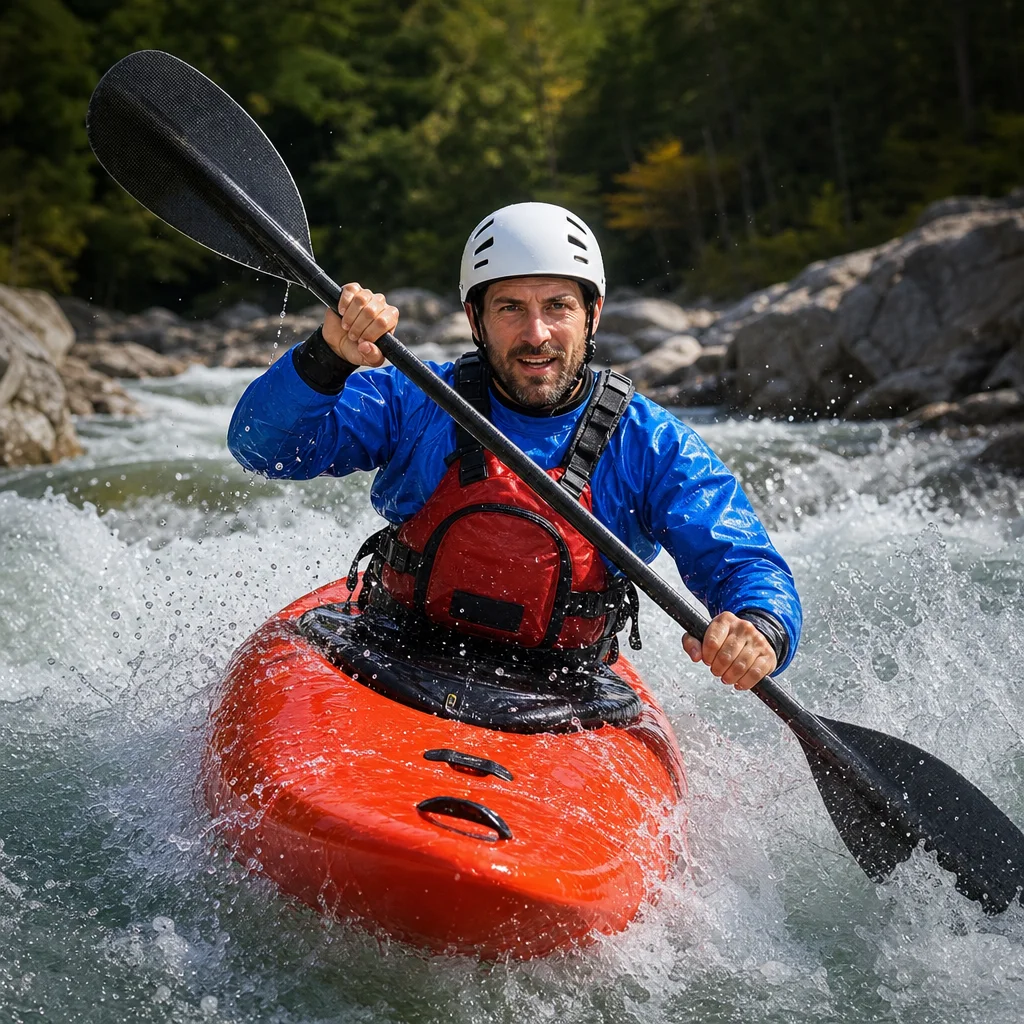
A heat advisory doesn’t always mean you must cancel a kayak outing, but it does mean your normal plan may no longer be sensible. The same route that feels manageable on a mild morning can become strenuous when heat, humidity, sun exposure, and limited shade combine.
The most resource-efficient approach is usually to adjust the outing before abandoning it: paddle earlier, choose a shorter route, launch near reliable access, and carry enough water and cooling equipment for the conditions. If the forecast or your group’s condition makes that plan unrealistic, postponing is the right decision.
Check today’s local heat guidance
Before leaving, review the current heat advisory, forecast, air-quality information, water conditions, and any local park or launch restrictions. Advisory criteria and recommended precautions vary by location, and conditions can change during the day.
Start by deciding whether the outing is still reasonable
A heat advisory should trigger a fresh risk assessment, not an automatic commitment to the original itinerary. Consider four questions:
- How hot and humid will it be during the hours you’ll be on the water?
- How much direct sun and shade will the route provide?
- How far will you be from your vehicle, a launch point, or other help?
- Can everyone in the group recognize heat illness and respond without delay?
A short paddle close to shore is very different from a long, exposed crossing. A shaded, slow-moving waterway may offer more opportunities to cool down than a broad lake with no cover. Your group’s experience, age, fitness, medical conditions, medications, and ability to tolerate heat also matter.
Postpone the trip if someone is already feeling unwell, has recently had a heat-related illness, lacks a reliable way to stay hydrated, or would have difficulty getting off the water quickly. You should also reconsider if the route requires sustained hard paddling, has few exit points, or leaves you exposed during the hottest part of the day.
The cost of changing plans is usually limited to rearranging transportation or losing a reservation. The cost of pushing through worsening heat can be much higher.
Move the outing to a cooler, simpler time
Paddle early rather than merely starting “a little earlier”
The safest schedule is generally the one that puts most of your paddling before the hottest part of the day. A dawn or early-morning launch can reduce sun exposure and leave you finished before conditions peak.
Build in time for loading, parking, and a calm safety briefing. Rushing to launch because you started late can increase exertion before the trip has even begun.
If an early start isn’t practical, consider a shorter evening outing only after checking the forecast, daylight, wind, thunderstorms, and local access rules. Darkness and changing weather can create a different set of risks, so don’t trade heat stress for poor visibility or an underprepared return.
Choose a route with shade and easy exits
Look for a route that offers:
- Regular shaded sections rather than one distant shaded destination
- Several places to land or pause safely
- Minimal boat traffic and complicated crossings
- A short distance back to the launch if conditions deteriorate
- Access to your vehicle or other cooling supplies
A loop can be less flexible than an out-and-back route during extreme heat. On an out-and-back, you can turn around as soon as the group begins struggling. If you prefer a loop, keep it short enough that completing the route never becomes the goal.
Avoid making the most exposed section the final part of the trip. Fatigue, dehydration, and heat exposure tend to accumulate, and a difficult return can leave you with fewer options.
Reduce distance and effort
Heat increases the cost of every paddling decision. Strong headwinds, current, boat wakes, and unnecessary stops can turn a relaxed trip into prolonged exertion.
Plan a route that leaves a generous margin rather than one that uses all available daylight or energy. You can still have a worthwhile outing by paddling a familiar section, practicing strokes near the launch, or making the trip about floating, observing wildlife, and taking breaks instead of covering miles.
Keep the pace conversational. If people are breathing heavily, falling behind, becoming unusually quiet, or repeatedly asking to stop, treat that as information rather than a temporary inconvenience. Turn around while the group still has the energy to do so.
A lighter boat load can also help. Bring the safety equipment, water, food, communication devices, and clothing you need, but skip nonessential items that add weight and make launching or carrying more strenuous.
Pack hydration that matches the route
Bring more water than you expect to drink, especially if the outing is longer than a brief local paddle or includes substantial sun exposure. Store water where every paddler can reach it without leaving the kayak unstable or having to open a difficult compartment.
Drink regularly instead of waiting until you feel very thirsty. Small, frequent drinks are easier to manage while paddling than trying to catch up during one long break.
For a short outing, plain water and a snack may be sufficient for many people. On longer or sweat-heavy outings, an electrolyte drink or electrolyte-containing food can be useful. These products aren’t a substitute for water, shade, or ending the trip when someone is becoming ill.
Avoid relying on a single bottle placed in a hot cockpit. Insulated containers, frozen water bottles, or a well-protected hydration reservoir can keep fluids more appealing and usable. Pack enough for delays, not just the planned travel time.
Alcohol is incompatible with a heat-focused paddling plan. It can impair judgment and increase the chance that you’ll overlook warning signs or make a poor decision on the water.
Use clothing and shade as active safety equipment
Wear lightweight, breathable clothing that covers exposed skin without restricting movement. A broad-brimmed hat or brimmed cap, sunglasses, and sunscreen can reduce direct sun exposure, but sunscreen shouldn't be your only protection.
A light long-sleeved shirt may be more comfortable than bare skin in strong sun, particularly when it is designed for warm-weather activity and dries reasonably quickly. Choose footwear that protects your feet during launches and landings while remaining secure if you need to exit the kayak.
Carry a small towel or bandana that can be wetted, and consider a compact umbrella or other shade option if it won’t interfere with paddling or create a hazard in wind. A cooler in the vehicle can provide cold drinks and a place for perishable food when you return.
Don’t count on the water to cool you safely. Water temperature, current, boat traffic, and the difficulty of getting back into a kayak can make an intentional swim a poor response to overheating. Use shore-based shade, wet clothing, and a controlled return to the launch instead.
Plan breaks before anyone needs one
Schedule pauses in shaded or otherwise protected locations. During each break, drink, eat something light, assess how everyone feels, and decide whether continuing still makes sense.
A break shouldn't become an obligation to resume. If the shade is inadequate, the route is taking longer than expected, or one person is deteriorating, end the outing.
Use a simple group check-in system. Ask each person how they feel and look for changes that they may not report themselves. Heat illness can impair judgment, so “I’m fine” isn’t the only information you should use.
Keep communication equipment protected from heat and water, and make sure at least one person knows the route, expected return time, and emergency plan. Leave the plan with someone who can act if you don’t return as expected.
Recognize heat-related warning signs
Early warning signs can include headache, unusual fatigue, dizziness, weakness, nausea, excessive sweating, muscle cramps, irritability, and difficulty concentrating. These symptoms are reasons to stop paddling, move to shade or a cooler place, loosen excess clothing, drink if the person is alert and able to swallow, and reassess the outing.
Confusion, fainting, seizures, loss of coordination, unusual behavior, or a very hot body are emergency warning signs. Call emergency services, begin cooling promptly, and follow dispatcher instructions. Don’t leave a severely ill person alone or ask them to paddle themselves back.
If someone is vomiting, confused, faint, or unable to drink safely, don’t force fluids. Move them out of the heat, cool them with available methods, and get medical help.
Use current emergency guidance
Save the local emergency number and check regional heat-illness recommendations before your trip. If symptoms are severe, worsening, or unclear, contact emergency services rather than relying on a preplanned route or home treatment.
A heat-advisory packing list without excess gear
For most adjusted recreational outings, prioritize equipment that solves a specific problem:
- Properly fitted personal flotation device for each paddler
- Water plus extra fluid for delays
- Light, sun-protective clothing and a hat
- Sunscreen and sunglasses
- A cooling towel or similar simple cooling aid
- Food that remains usable in warm conditions
- Phone or communication device in a waterproof case
- Basic first-aid supplies
- Route information, access details, and emergency contacts
- Dry clothing and cool supplies waiting at the vehicle
You don’t need to buy specialized equipment for every hot-weather trip. Improving the timing, route, and amount of shade often provides more benefit than adding expensive accessories. Use what you already own effectively, and replace only gear that is unreliable, inaccessible, or unsuitable for the conditions.
Make the final decision on the day
A good heat-advisory plan has a clear stop rule. For example, you might decide in advance that the group will turn around if someone develops symptoms, if the route takes longer than expected, if water supplies become inadequate, or if conditions feel materially worse than forecast.
Recheck the forecast before launching, then make one final assessment at the water. If the parking area, launch, or short walk to the shoreline already feels oppressive, the exposed paddle may be harder than expected.
The practical goal isn’t to complete the original route. It’s to enjoy time on the water without spending more energy, money, or risk than the conditions justify. On a heat advisory day, that may mean an early one-hour paddle close to the launch—or choosing a cooler activity and saving the kayak for better conditions.
Quick decision checklist
Before you leave, confirm that:
- The timing avoids the hottest and most exposed part of the day
- The route is short, familiar, and easy to exit
- Everyone has accessible water and sun protection
- The group knows the warning signs and turn-around plan
- Local weather, water, access, and emergency information are current
- A cooler backup plan is available if conditions worsen
If several answers are no, revise the outing or postpone it. A flexible plan protects both your group and your budget, and it leaves you more likely to enjoy the next paddle.