The First Five Kayak Skills to Practice in Shallow Water
When your kayak feels unstable or your strokes keep sending you off course, shallow water gives you room to reset. I’ll walk you through five beginner skills—plus simple recovery fixes—before you commit to a longer outing.
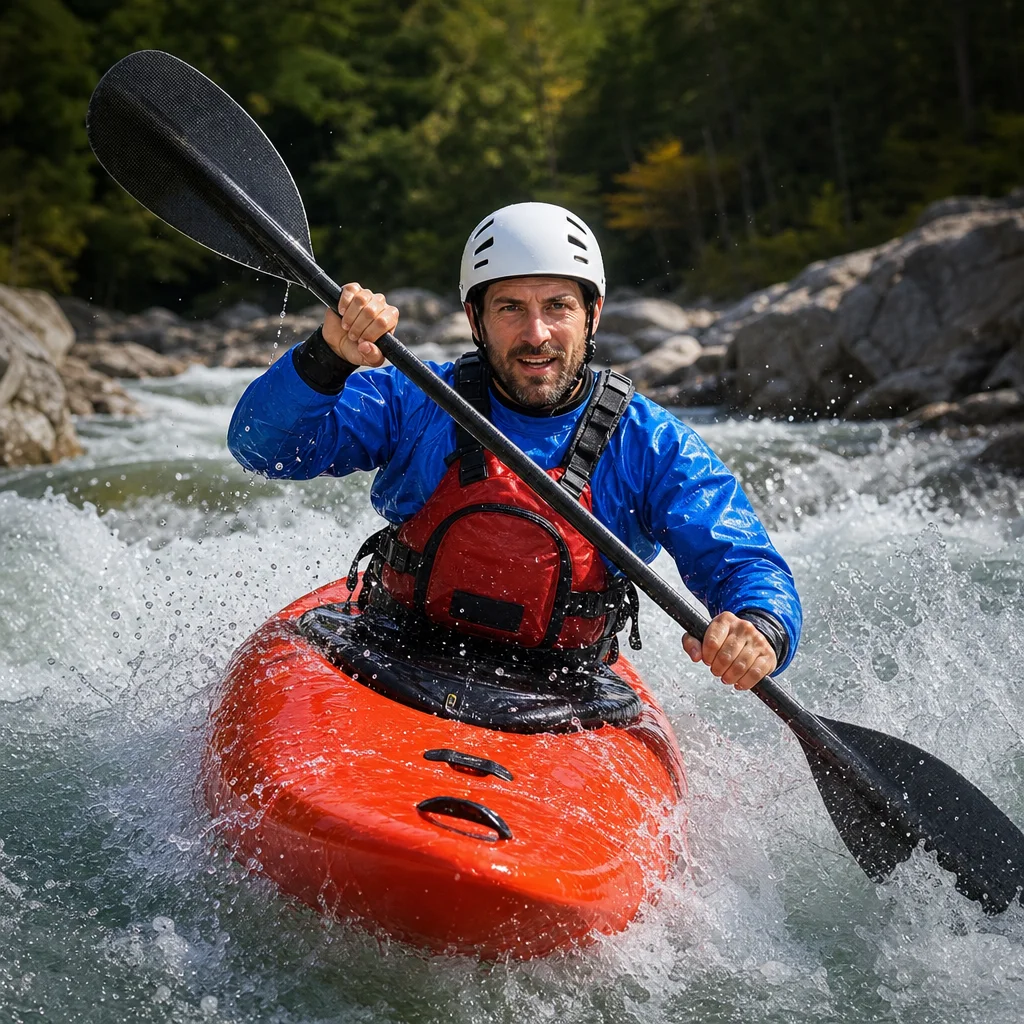
Choose a calm, open practice area where you can focus on technique instead of managing wind, boat traffic, or a complicated shoreline. The goal isn’t to master kayaking in one session. It’s to build a few reliable responses: sit in a balanced position, move forward, slow down, change direction, and get out under control.
Shallow water can make practice feel less intimidating, but it still requires sensible planning. You need enough depth for the kayak to float and turn without repeatedly striking the bottom. Avoid areas with rocks, submerged branches, heavy vegetation, strong current, or sudden drop-offs. Wear your properly fitted personal flotation device (PFD), and practice with a companion when possible.
Check your practice area: Before launching, confirm that the water is calm enough for your skill level, the kayak floats freely at the chosen depth, and you can reach a safe exit without stepping onto an unstable or hazardous bottom. Local access rules, life-jacket requirements, and water conditions can vary, so verify them for your location.
Set up a low-pressure practice session
Bring the kayak, paddle, PFD, and clothing suitable for getting wet. If you’re using a sit-inside kayak, make sure you understand how to release your spray skirt, if one is fitted. Beginners shouldn't practice capsizing or wet exits alone; those skills are better learned with qualified instruction and appropriate supervision.
Start close to shore, but not so close that the paddle or hull is constantly catching the bottom. Point the kayak into open water and take a moment to notice how it responds when you shift your weight. Keep your movements small. Sudden leaning is a common reason a beginner feels as if the boat is about to tip.
Practice each skill at slow speed. After every drill, pause and ask what changed: Did the kayak turn because of your paddle stroke, or because you leaned? Did you stop because you used a braking stroke, or because the boat ran out of momentum? That small bit of observation helps you correct problems rather than repeat them.
1. Find a balanced paddling posture
Good posture is the foundation for every other skill. Sit upright with your back supported without slouching. Keep your feet connected to the foot braces or the inside of the kayak, with your knees relaxed and slightly bent. Hold the paddle with both hands at a comfortable width, keeping your shoulders relaxed.
Your head and chest should stay near the centerline of the kayak. Look where you want to go rather than down at the bow. A loose, upright posture allows the kayak to move beneath you without making every small wave feel like a threat.
Try this drill
With the kayak stationary, place the paddle across your lap and slowly look over each shoulder. Notice whether you twist your torso or collapse sideways. Then gently move your hips a little left and right while keeping your upper body relaxed. You’re learning the difference between a controlled weight shift and a sudden lean.
If the kayak feels twitchy, check your response before blaming the boat. Beginners often grip the paddle tightly, raise their shoulders, or stiffen their legs. Relax your hands, lower your shoulders, and return to a centered position.
2. Practice a relaxed forward stroke
The forward stroke should move the kayak ahead without exhausting your arms. Place one blade near your toes on one side of the kayak. Rotate your torso slightly, then place the blade in the water and draw it back alongside the boat. Finish the stroke around your hip and prepare the opposite blade.
Think about rotating your torso instead of pulling only with your arms. Your lower hand pushes while your upper hand guides the paddle. Keep the blade fairly close to the kayak, and avoid reaching so far forward that you lose balance.
Fix a wandering kayak
It’s normal for a kayak to arc slightly as you paddle, especially if one stroke is stronger or longer than the other. First, shorten your strokes and use a steadier rhythm. Check that your hands are spaced evenly and that you’re not pulling one blade much farther back.
If the kayak keeps turning toward the side of your stronger stroke, reduce the power on that side rather than trying to muscle the boat straight. You can also pause, let the kayak settle, and restart with smaller, more symmetrical strokes. Accuracy matters more than speed at this stage.
3. Learn to stop and slow down
A kayak doesn’t have brakes, and a paddle stroke that moves you forward won’t instantly stop you. To slow down, place a blade in the water ahead of your body and sweep it gently backward. Use alternating strokes on both sides, keeping the blade close to the kayak.
You don’t need to stop abruptly. In fact, a gradual reduction in speed is easier to control and less likely to upset your balance. Practice slowing from an easy paddling pace, then stopping beside a visible reference point such as a floating marker or a quiet section of shoreline.
If the kayak keeps moving
The usual problem is timing. You may be placing the blade too shallowly, or you may be stopping your stroke before it has enough effect. Try a deeper, controlled blade placement and keep your torso upright. If the kayak begins turning while you brake, apply a matching stroke on the opposite side.
Once stopped, keep the paddle ready rather than dropping it across the boat. A light brace or sculling motion can help you maintain balance while you look around or decide where to go next.
4. Turn without leaning too far
A basic turning stroke changes the kayak’s direction by sweeping the paddle in a wide arc. To turn left, place the right blade near your feet and sweep it outward toward the stern. To turn right, use the opposite side. Keep the stroke smooth and let your torso rotate with it.
Practice making a gentle turn, then stopping the turn with a forward stroke on the opposite side. This teaches an important recovery habit: you don’t have to fight a turn all at once. You can make a small correction, check the result, and make another.
Correct an oversteer
If the kayak turns more sharply than you intended, stop applying the turning stroke and use a short forward stroke on the outside of the turn. Keep your weight centered. Leaning away from the turn often makes a beginner feel less stable and can create another problem to solve.
Try turning around a fixed point with a wide margin. Tight turns are useful later, but beginners learn more by keeping the boat controlled and predictable.
5. Back up and make a controlled exit
Backing up is useful when you need to move away from a bank, dock, obstruction, or another kayak. Rotate your torso and place one blade behind your hip. Push it forward through the water, then repeat on the other side. Use short strokes and look over your shoulder before moving.
You won’t see everything behind you, so turn your head and torso as far as is comfortable, then check both sides between strokes. If the kayak begins to angle, make a small corrective stroke rather than continuing with equal force.
A controlled exit is the final skill in this practice session. Move into water where you can safely reach the bottom or shore, stop the kayak, and keep the paddle secure. Hold the kayak steady as you shift your weight, then remove one leg at a time. Avoid standing in the kayak or using a weak, slippery support such as a paddle shaft unless you’ve been taught the technique.
If the exit feels unstable
Pause and reset. Bring the kayak parallel to shore when possible, keep your center of gravity low, and use a stable handhold. If the kayak rocks, wait for it to settle before making the next movement. Rushing is the main problem to prevent.
A controlled exit isn't the same as practicing a capsize. Don’t deliberately overturn the kayak in an isolated area or without instruction, especially in cold water or moving water.
Put the five skills together
Finish with a short sequence:
- Launch and settle into a balanced posture.
- Paddle forward with relaxed, even strokes.
- Slow down and stop at a chosen reference point.
- Turn in one direction, then correct back onto your intended line.
- Back up a few strokes, stop, and make a controlled exit.
Repeat the sequence only while your technique remains calm and deliberate. If your grip tightens, your strokes become rushed, or the kayak feels increasingly unstable, end the session. More practice isn’t always better practice.
Your next practice session
Choose one skill that felt least reliable and give it most of your attention next time. If the kayak wandered, work on shorter and more even forward strokes. If stopping felt awkward, practice reducing speed earlier. If turning caused instability, keep the sweep smaller and your body centered.
Once these skills feel predictable in calm, suitable conditions, you can gradually add distance and introduce mild environmental changes. Keep the same habits: check the conditions, carry appropriate safety equipment, stay within your ability, and leave yourself an easy way to stop or get ashore. A beginner who can recover from small mistakes has a much stronger foundation for longer trips.