How to Handle a Kayak Trip When Someone Develops Motion Sickness
I’ll clarify what to do when motion sickness starts during a kayak trip, from simplifying food and seating to choosing safer breaks and shore access. You’ll also learn which symptoms mean it’s time to end the outing or seek urgent help.
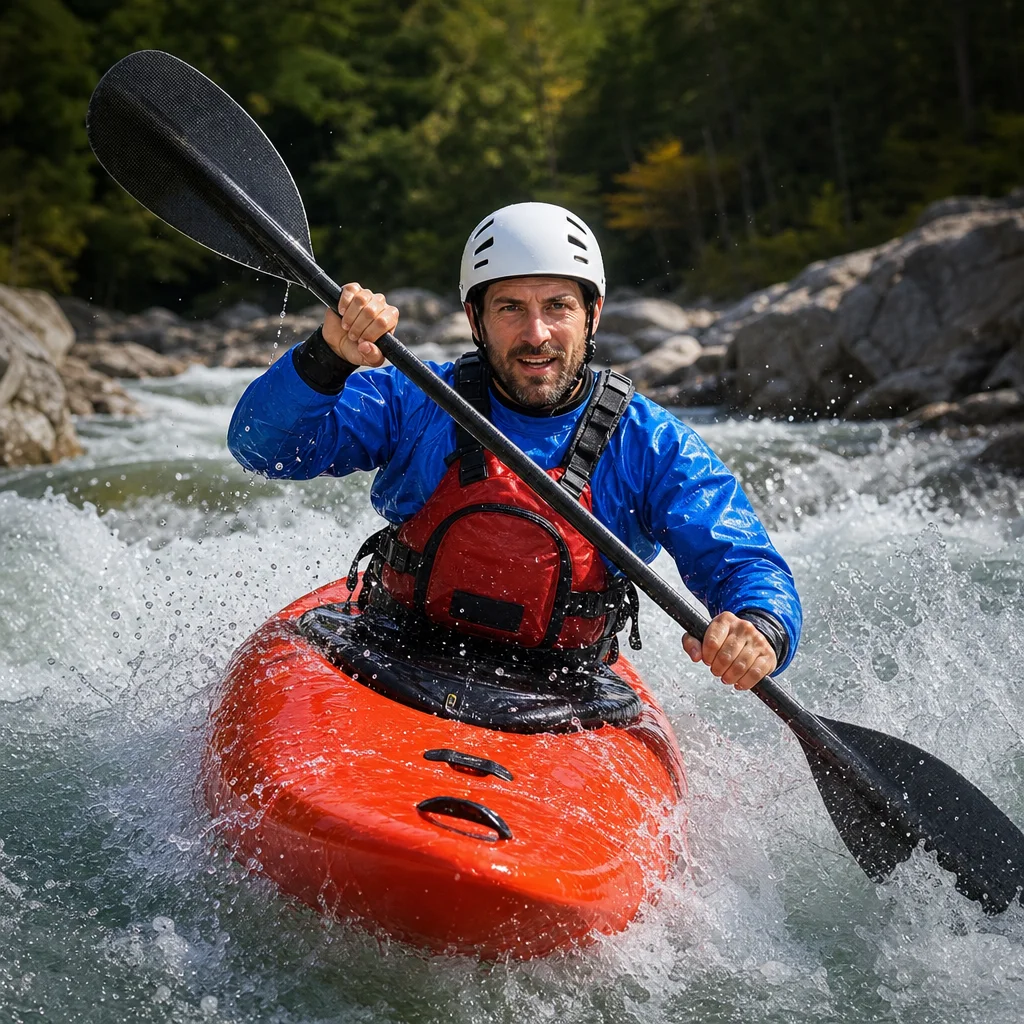
Motion sickness can turn a manageable kayak outing into a safety problem quickly. Nausea, sweating, dizziness, and vomiting make it harder to paddle, communicate, stay balanced, or make sound decisions—especially on open or coastal water.
The minimalist response is straightforward: reduce movement, keep the affected paddler protected, get to a suitable shore if conditions allow, and stop the trip before exhaustion or dehydration compounds the problem. You don’t need a complicated kit, but you do need a conservative plan.
Before Launch: Make the Trip Easier to End
The best response to motion sickness often starts before anyone gets in the kayak. Choose a route with frequent landing options rather than committing to a long crossing or exposed shoreline. A short loop near a beach, launch ramp, or accessible shoreline gives you more choices than a one-way trip along steep or undeveloped coast.
Check the expected wind, waves, current, temperature, and visibility. Conditions that are merely uncomfortable for a healthy paddler can become hazardous for someone who is nauseated or dizzy. If the forecast is marginal, shorten the route or postpone the outing.
Check today’s route conditions: Before launching, confirm the current marine or inland-water forecast, local advisories, access restrictions, and the most appropriate emergency contact for your route. Conditions and local requirements can change during the day.
Keep the essential items easy to reach:
- A properly fitted personal flotation device for every paddler
- Drinking water
- Simple, familiar snacks
- A phone or other communication device protected from water
- A basic first-aid kit
- Extra layers and sun protection
- A way to identify your launch point and planned route
If someone is prone to motion sickness, discuss the plan before launching. Agree that feeling unwell is a valid reason to turn around. This removes the pressure to “push through” until the person is too sick to help with the decision.
Plan Seating for Stability and Access
In a tandem kayak, place the more vulnerable paddler where the boat remains balanced and where communication is easy. There isn’t one universally correct seat: the best position depends on the kayak’s design, the paddlers’ sizes and abilities, and who can control the boat confidently.
Avoid making frequent seat changes on the water. A sick paddler shouldn't climb out or move around simply to find a better view. Any transfer or landing should happen only in a stable, suitable location, with both paddlers wearing their PFDs and managing the kayak deliberately.
In a group, keep the potentially affected paddler where the group leader can see and reach them without creating a second hazard. Don’t split the group casually if the person is already dizzy or vomiting.
Reduce the Triggers When Symptoms Begin
At the first signs of queasiness, act instead of waiting to see whether it passes. Stop paddling if possible and stabilize the kayak. Reduce unnecessary turning, edging, and bracing movements. In a tandem, the unaffected paddler may need to maintain the boat while the sick paddler rests.
Encourage the person to look toward a stable point on the horizon or shoreline rather than down into the cockpit or at moving water beside the kayak. Keeping the head relatively still can also help. Fresh air and shade may be more comfortable than a hot, enclosed cockpit, but don’t expose the person to wind, spray, or cold unnecessarily.
If it’s safe, pause in calm water or land at the nearest appropriate shore. The right choice depends on the landing: a gently sloping beach or maintained access point is usually more useful than a rocky ledge, surf zone, muddy bank, or private property. Don’t create a capsize risk by rushing toward land.
Once stopped, offer small sips of water rather than a large amount at once. A bland snack may help someone who is hungry, but don’t pressure a nauseated person to eat. Avoid alcohol, and be cautious with heavy, greasy, or unfamiliar food before and during the trip.
Decide Whether to Continue or End the Outing
Mild symptoms that improve promptly with rest may not require an emergency, but they should still change the plan. A person who has vomited, remains dizzy, or can’t paddle reliably is no longer a good candidate for a normal-distance outing.
Use these questions to make the decision:
- Can the person sit upright and stay balanced without unusual effort?
- Can they communicate clearly and follow simple instructions?
- Are they able to keep down small sips of water?
- Is the route to shore short, calm, and within the paddler’s current ability?
- Can the remaining paddler safely control the kayak and assist if conditions worsen?
- Is there enough daylight, warmth, and energy to finish conservatively?
If the answer to any important question is no, end the trip. A short, controlled landing is preferable to continuing until the sick paddler becomes weak or the group is caught farther from help.
In a tandem kayak, both paddlers should understand that the kayak may be harder to control if one person stops contributing. Choose the safest route back, avoid unnecessary crossings, and stay within the group. If the boat becomes unstable or the sick paddler can’t remain safely seated, prioritize staying together and following your capsize and rescue plan.
Food, Medication, and Prevention
Preventive choices should stay simple. Eat a familiar, moderate meal rather than launching hungry or overly full. Give the meal enough time to settle, and carry small snacks for a longer trip. Limit alcohol before paddling because it can impair judgment, balance, and temperature regulation in addition to worsening nausea.
Some people use over-the-counter motion-sickness medication before travel. Products differ in active ingredients, timing, age restrictions, interactions, and side effects. Drowsiness can be especially important in kayaking, where balance, reaction time, and judgment matter. Follow the product label and ask a pharmacist or health professional whether a medication is appropriate for you; don’t experiment with a new product immediately before a demanding trip.
Medication isn't a substitute for route planning. It may reduce symptoms without making rough water, cold exposure, or a remote landing safe. If a person has a medical condition, takes other medications, is pregnant, or has had unusually severe symptoms, individualized medical advice is more appropriate than a general paddling remedy.
Other low-effort prevention steps include:
- Choose calmer water for a first attempt or a person with a known sensitivity.
- Keep the horizon and route ahead in view when practical.
- Take regular breaks before symptoms become intense.
- Avoid prolonged reading or looking down into the kayak.
- Stay cool without becoming chilled.
- Keep the first trip short enough that turning around is easy.
When Symptoms Require More Than a Break
Motion sickness commonly causes nausea, dizziness, sweating, and vomiting, but don’t assume every serious symptom is motion sickness. Heat illness, cold exposure, dehydration, head injury, an allergic reaction, a cardiac problem, or another medical emergency can look different or occur at the same time.
End the outing and seek urgent help through the appropriate local emergency service if the person has trouble breathing, chest pain, severe or worsening headache, confusion, fainting, seizure, unusual weakness, signs of serious injury, blue or gray lips, or difficulty staying awake. Get prompt help if they can't keep fluids down, become increasingly unsteady, or show concerning signs after prolonged heat or cold exposure.
If you’re uncertain, move toward a safe landing or summon assistance rather than continuing to diagnose the problem on the water. Keep the person wearing their PFD, protect them from further cold or heat, and provide clear information about your location, symptoms, and route when contacting help.
Don't make a sick paddler swim to shore unless there is no safer alternative. Don't remove their PFD to make vomiting easier. If vomiting is likely, help them turn their head to the side while maintaining balance and keeping the kayak stable. A controlled landing is generally safer than trying to manage severe symptoms mid-route.
A Minimalist Motion-Sickness Plan
For most recreational trips, the plan can fit in a few decisions:
- Choose a short route with realistic shore options.
- Check current conditions and avoid exposed water when the forecast is marginal.
- Carry water, a familiar snack, communication, extra clothing, and properly fitted PFDs.
- At the first symptoms, stop paddling, stabilize the kayak, and reduce visual and physical movement.
- Land at the safest practical access point rather than the closest hazardous one.
- Continue only if symptoms clearly improve and the person can paddle and balance normally.
- End the outing when symptoms persist, recur, or interfere with safe control.
- Treat confusion, fainting, breathing trouble, severe pain, or inability to stay awake as reasons to seek urgent help.
A motion-sickness episode doesn’t need to become a rescue, but it should change your priorities. Keep the person afloat and supervised, simplify the route, and be willing to call the trip early. The safest kayak plan is one that leaves enough time, energy, and access options to get everyone back before a manageable problem becomes a serious one.