How to Paddle a Loaded Kayak Differently From an Empty One
When camping gear or fishing equipment fills your kayak, familiar strokes can produce slower, wider turns and longer stops. I’ll explain how to distribute the load, adjust your technique, and protect handling reliability throughout the trip.
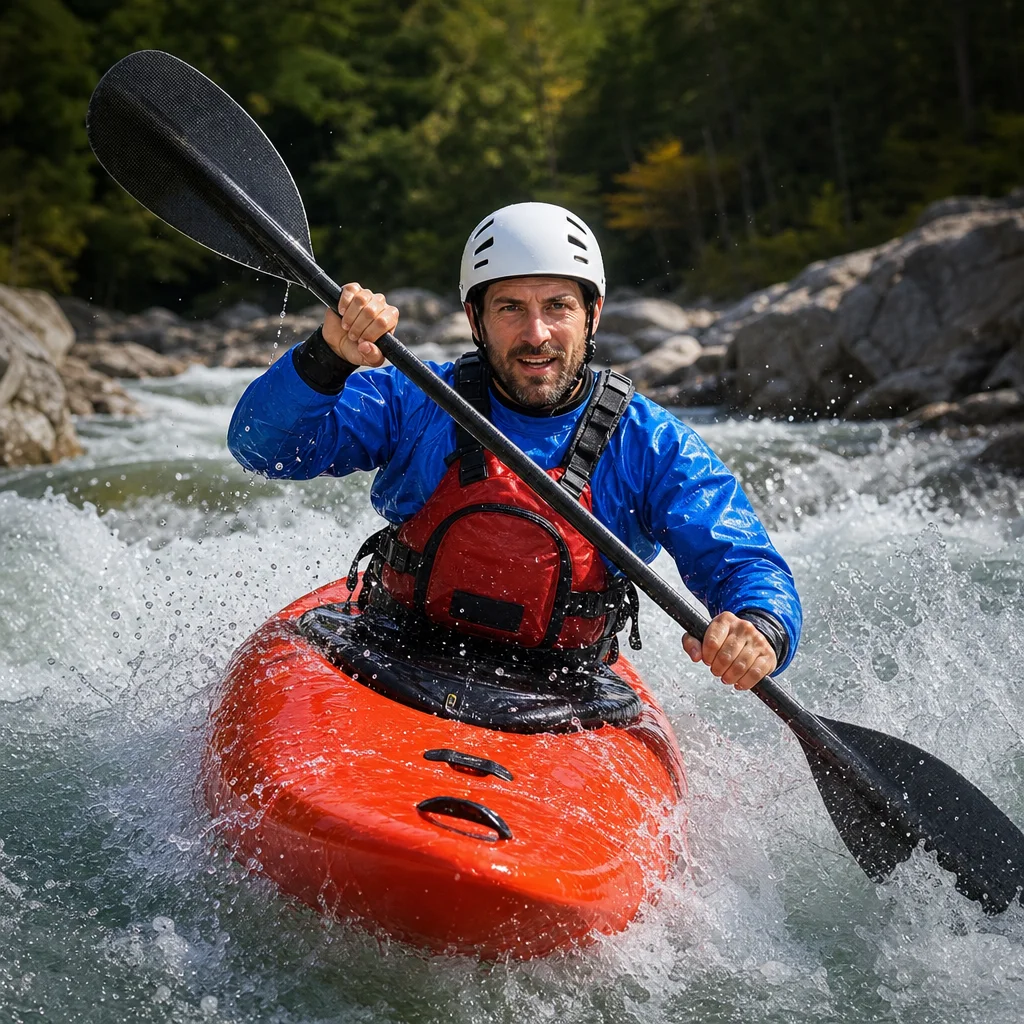
A kayak that feels easy to control when empty can behave noticeably differently once it carries camping equipment, food, water, or fishing tackle. The added weight changes how quickly the boat accelerates, how deeply it sits in the water, and how much effort each correction requires.
The goal isn’t to paddle aggressively to compensate. It’s to make sensible adjustments before launch, then give yourself more time and space on the water.
Start by loading for predictable handling
A loaded kayak is easiest to control when its weight is low, centered, and secured. The exact arrangement depends on the hull design and storage layout, but the same principles apply to most recreational and touring kayaks.
Keep the kayak within its rated capacity
Check the kayak manufacturer’s maximum load rating before adding equipment. That rating generally includes you, clothing, water, food, safety equipment, and every item stored in the boat—not just the camping or fishing gear.
A kayak near its capacity may sit lower in the water and have less reserve freeboard. That can make waves, wakes, and accidental flooding more serious. It may also become harder to re-enter if you capsize.
Confirm your load margin: Before packing, check the current manufacturer specifications for your kayak and account for your body weight, clothing, water, safety gear, and all cargo. Local waterways may also have equipment or access requirements that change over time.
Distribute weight from front to back
Try to keep the bow and stern at similar trim rather than allowing one end to sit noticeably low. A heavily stern-loaded kayak may become difficult to turn and can allow the bow to lift or wander. Too much weight forward can make the bow push through waves and bury into steep chop.
Use the waterline and the kayak’s intended trim as your guide. If the boat looks obviously low at one end while you’re seated, rearrange the load before departing.
Place dense items such as water containers, food, and batteries low in the hull. Keep lighter, bulky items higher or farther from the cockpit. Avoid creating a tall stack behind the seat, where it can catch wind and interfere with a rescue or your paddle stroke.
Secure every item
A load that shifts can change the kayak’s balance while you’re moving. Loose gear may slide toward one end during acceleration, a turn, or a capsize. It can also block access to equipment you need quickly.
Use dry bags, internal bulkheads, deck lines, hatch covers, and tie-down points as intended. Don’t rely on a closed hatch alone to keep important items from floating away. Small essential items should be attached or stored where you can reach them without opening several compartments.
Packing for long-term reliability also means avoiding overloaded straps, damaged hatch seals, and bags that rub against sharp hardware. A small leak or failed attachment is more troublesome when the kayak is far from shore.
Expect slower acceleration
Extra weight increases the effort required to bring the kayak up to speed. Your first few strokes may feel less responsive, especially if you’re starting into current or wind.
Use a smooth, steady cadence instead of immediately taking powerful strokes. A loaded kayak responds better when you build speed progressively. Abrupt, forceful strokes can make the boat yaw from side to side, wasting energy and making the paddle feel less effective.
When leaving shore, give yourself room to get moving before entering a narrow channel, crossing a current, or turning into traffic. If you need to accelerate later, begin earlier than you would in an empty kayak.
Once underway, maintain a comfortable cruising pace rather than repeatedly slowing and restarting. Each acceleration costs more effort with a heavier load, so consistent pacing can reduce fatigue over a long day.
Make turns earlier and more deliberately
A loaded kayak may hold its direction well, but it usually takes more time and space to change course. The extra mass resists rotation, and the deeper hull may respond differently to wind and current.
Start your turn before you reach the point where you need to be pointed. Use a forward sweep on the side opposite the direction of the turn, and add a corrective stroke on the other side if needed. Keep your torso rotating with the stroke instead of relying only on your arms.
For a tighter turn, you can combine a sweep with a properly controlled stern rudder or reverse stroke. Avoid leaning dramatically to force the boat around, particularly in waves or current. A large lean can reduce stability while the kayak is already responding slowly.
After the turn begins, stop applying the turning stroke once the bow is aligned. Continuing to sweep can create an overcorrection that requires another stroke to fix.
Use edging with restraint
Edging can help a touring kayak turn, but the correct amount depends on the hull, your skill, and the conditions. A heavily loaded kayak may feel more stable in some situations because it sits lower, but that doesn’t make every lean safer. Water can come closer to the cockpit, and recovery may require more deliberate movement.
Practice small edging movements in calm, shallow conditions before relying on them around rocks, docks, or moving water.
Leave more room for stopping
A loaded kayak carries more momentum. Even at the same speed, it may take longer to slow or stop, especially when moving with current or wind.
Start reducing speed well before your intended stopping point. Use short reverse strokes or a controlled sweep to slow the boat while keeping your torso balanced. If you wait until the last moment and take a hard reverse stroke, the kayak may yaw instead of stopping cleanly.
When approaching a beach, dock, another boat, or a narrow landing area, reduce speed early. A final low-speed correction is easier to control than an emergency stop from full cruising speed.
Current changes the situation further. A kayak moving downstream may still have substantial speed over the bottom after you stop paddling. Look at shoreline features, pilings, floating objects, and other reference points rather than judging speed only by how fast the water moves past your bow.
Adjust for wind and waves
Added equipment can alter how much of the kayak is exposed to wind and how readily the bow or stern swings. A tall load on the deck can act like a small sail, while uneven packing can make one end respond differently from the other.
Keep deck cargo low and compact. If the kayak repeatedly weathercocks—turns its bow into the wind—or veers away from your intended course, review the load distribution before simply paddling harder.
In waves, use a more active stroke rhythm and keep the kayak pointed at a manageable angle to the wave pattern. Avoid allowing the boat to become broadside to steep or breaking waves when you don’t have the skill and conditions for that position. The safest response may be to change course, move to sheltered water, or land.
A loaded kayak also deserves more conservative decisions around wakes. Cross smaller wakes at a controlled angle, keep your center of gravity low, and avoid making a sharp turn while climbing or descending a wave.
Test the loaded setup before a longer trip
Don’t wait until a remote campsite or a full day of fishing to discover that your packing arrangement is difficult to control. Take the loaded kayak onto calm, familiar water first.
Practice:
- Accelerating from a standstill
- Turning in both directions
- Stopping from a comfortable cruising speed
- Paddling into and across wind
- Reaching essential equipment
- Exiting and re-entering if you have the training and conditions to do so safely
Pay attention to small warning signs. Does the boat sit noticeably low at one end? Does a hatch leak after repeated movement? Does a dry bag slide under the foot braces? Does the kayak become difficult to control when you look behind you or reach for a paddle-float bag?
Fix those problems while the solution is simple. A load that shifts a few inches in calm water can become a major handling issue when the kayak is tilted by waves.
Maintain the setup, not just the technique
Reliable handling depends on equipment condition as much as paddling skill. Inspect hatch covers, deck lines, bungees, carry handles, rudder or skeg controls, and tie-down points before trips involving extra cargo.
Replace stretched or frayed lines. Clean grit from hatch seals and check that covers close evenly. Make sure dry bags still seal and that attachment points aren’t pulling away from the deck. After a saltwater outing, rinse the kayak and hardware with fresh water according to the manufacturer’s care recommendations.
Keep a simple packing list for your usual trip length. Repeatedly adding “just one more” item can gradually push the kayak toward its capacity without making the change obvious. Weighing unusually heavy loads, such as water and fishing equipment, can make the decision more objective.
A simple loaded-kayak routine
Before launching, walk through four questions:
- Is the total load within the kayak’s rated capacity?
- Is the weight low, centered, and balanced from bow to stern?
- Is every item secured and are essential safety items accessible?
- Have I left extra room and time for turning, stopping, wind, and current?
Then launch in a place that gives you space to test the boat. Build speed gradually, begin turns early, and slow down before you need to stop. If the kayak feels unpredictable, return to shore and rearrange the load rather than trying to solve a packing problem with stronger strokes.
An empty kayak can hide inefficient habits because it responds quickly and stops with little effort. A loaded kayak exposes those habits. Pack deliberately, maintain the equipment that holds the load in place, and give every maneuver a little more time and distance.