What Changes When You Paddle a Tandem Kayak Alone
A tandem kayak offers more space but behaves differently when one seat is empty. I’ll explain how to adjust trim, seating, control, loading, and recovery plans before you paddle one alone.
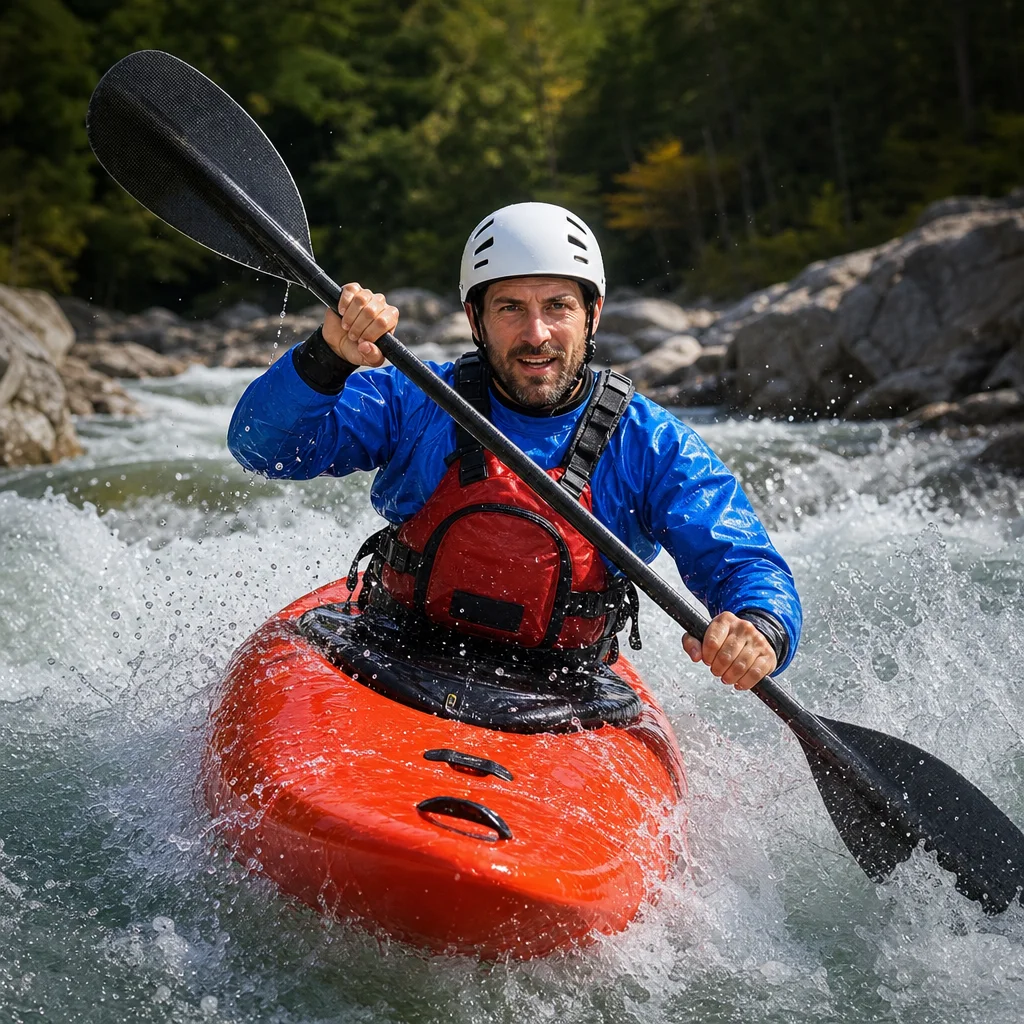
A tandem kayak can look like a roomy solo boat, but an empty seat changes how the hull sits and responds. The boat may feel harder to turn, more vulnerable to wind, or less predictable when you shift your weight.
The good news is that many tandem kayaks can be paddled alone if you use an appropriate seating position, distribute your gear carefully, and test the boat in controlled conditions. The goal isn’t to make the kayak behave exactly like a solo model. It’s to understand its new balance and work with it.
Start with the kayak’s intended solo setup
Some tandem kayaks include a dedicated center seat or a removable middle position for solo paddling. This is usually the simplest arrangement because the seat is placed near the hull’s balance point.
A center position lets you sit closer to the middle of the kayak, where your weight has less effect on the bow and stern. It can also make paddle strokes feel more even on both sides.
If your kayak has a manufacturer-designed solo seat, use that position first. Check how the seat attaches, whether the foot braces can be adjusted, and whether the boat’s capacity or recommended loading changes when used solo.
Other tandems have only bow and stern seats. In that case, the stern seat is often the more workable option, but it isn’t automatically correct for every hull. The best position depends on the boat’s length, width, rocker, seat placement, and how much equipment you carry.
Check your solo setup: Before launching, confirm the kayak’s manual or manufacturer guidance for solo seating, maximum load, seat installation, and any restrictions on using one seat alone. If no solo arrangement is provided, treat your first test as an experiment in calm, protected water rather than a normal trip.
Why trim changes with one paddler
Trim describes how the kayak sits from bow to stern. A well-trimmed boat rides fairly level in the water. When one paddler occupies a tandem’s stern seat and the bow is empty, the stern sinks lower while the bow rises.
That stern-heavy position creates several common effects:
- The bow may lift and become easier for wind to push sideways.
- The stern may sit deeper and resist turning.
- Forward paddling can feel slower or less efficient.
- The kayak may weathercock, turning its bow away from the wind.
- Waves can affect the raised bow differently than they would with two paddlers aboard.
The amount of change depends on your weight and the kayak’s design. A large, heavily built tandem may barely notice a lighter paddler in the stern, while a smaller tandem may respond noticeably.
You can often improve trim by placing heavier equipment toward the empty seat area. Keep the load low, centered, and secured. Dry bags filled with clothing, food, or camping equipment can add useful weight, but don’t add unnecessary ballast just to force the bow down.
Water is especially poor ballast. It is heavy, difficult to secure safely, and can create a serious problem if the container shifts or leaks. Use the gear you actually need, packed in waterproof bags and restrained so it can't slide around.
Choose the seating position carefully
A center seat is usually easiest
A proper center seat reduces the amount of correction needed because your weight is closer to the kayak’s midpoint. You’ll generally get more balanced paddle strokes and more predictable turning.
It may also be easier to reach gear stored in front of you. That matters because reaching behind you or twisting around can make an already unbalanced kayak feel unstable.
The stern seat may require adjustment
If you must sit in the stern, start by moving the seat or foot supports only within the adjustments intended by the manufacturer. Don’t improvise a higher seat or place loose padding where it can slide.
A higher sitting position can make entry and paddling feel more comfortable, but it also raises your center of gravity. In a tandem that already feels tender because of uneven loading, extra height can reduce stability.
Keep your torso centered over the kayak. Avoid leaning far forward to force the bow down while paddling. A better solution is usually to adjust the load or use a suitable solo seating position.
Don’t use an empty seat as a step
Seats, foot braces, and deck fittings aren’t necessarily designed to support your full weight during entry or exit. Enter from a stable shoreline, dock, or shallow-water position appropriate to the kayak, and avoid stepping heavily onto unsupported areas.
Expect different control from the paddle
With two paddlers, the person in the stern commonly helps direct the kayak while the bow paddler supplies power. Alone, you have to provide both power and steering.
A tandem’s longer waterline can track well, but it may not pivot as readily as a solo kayak. Short corrective strokes may produce less immediate response, especially if the stern is deeply loaded.
Use these techniques to stay in control:
- Keep forward strokes close to the kayak rather than reaching far away.
- Use a wider sweep stroke when you need to turn instead of repeatedly forcing short, hard corrections.
- Apply a gentle reverse stroke on one side to slow or tighten a turn.
- Use a draw stroke only when you have enough balance and room to lean slightly toward the stroke.
- Keep your cadence steady rather than making occasional powerful strokes.
A rudder or skeg can help with tracking and wind, but it doesn’t replace good trim. If the bow is constantly being pushed off course, first check your load and seating position. Then use the control system according to its design.
A rudder is useful for correcting direction while maintaining forward momentum. A skeg can reduce unwanted sideways movement in wind. Neither system should be relied on as a substitute for learning how the boat responds without it.
Load the empty seat area with a purpose
The empty cockpit or seating area can become a useful storage zone, but loose gear creates problems. Items can shift during a turn, interfere with a rescue, or blow away if they aren’t secured.
Pack heavier items low and near the kayak’s centerline. Place lighter items farther toward the empty seat if you need to improve trim. Keep frequently used equipment where you can reach it without twisting or leaning across the boat.
A sensible solo load might include:
- Water and food in secured dry bags
- A spare paddle attached where it can be reached
- Required communication and emergency equipment
- Clothing protected from spray and rain
- A bilge pump or other suitable water-removal method
- A compact repair kit appropriate to the kayak
The exact equipment you need depends on the environment, trip length, and local requirements. Avoid filling unused space simply because it is available. More weight increases draft and can make the kayak harder to move, while high or loose loads can reduce stability.
Test the handling before a real trip
Your first solo outing in a tandem should be a short test, not a full-day expedition. Choose calm, sheltered water with an easy landing area. Wear your properly fitted personal flotation device and keep your paddle, communication equipment, and other essential gear accessible.
Test the boat in stages:
- Launch in shallow water where you can maintain control without scraping the hull.
- Paddle straight ahead and notice whether the kayak consistently turns or drifts.
- Practice turning in both directions.
- Stop, reverse, and accelerate gently.
- Move your torso slightly while keeping your hips stable.
- Check whether the boat remains comfortable when waves or wakes pass.
- Practice reaching essential gear without leaning far out of the kayak.
Pay attention to what the kayak does after each stroke. If it swings sharply, feels difficult to stop, or becomes unstable whenever you reach for something, adjust the setup before going farther.
Troubleshoot common handling problems
The bow wanders or blows sideways
This often points to stern-heavy trim, strong wind, or both. Move some weight toward the front while keeping it low and secured. If the kayak has a skeg or rudder, test that control gradually.
If the wind is stronger than expected, turn toward a protected shoreline rather than trying to overpower it. A raised bow can make a tandem particularly awkward when heading across the wind.
The kayak is hard to turn
A deep stern and empty bow can make the boat track firmly. Use a deliberate sweep stroke with enough space around you, then finish with a forward stroke to regain momentum.
Check that the rudder, if fitted, isn't partly deployed when you’re trying to turn. Also confirm that heavy gear hasn’t been packed too far behind you.
The kayak feels tippy after loading
Remove unnecessary gear and lower anything mounted high on the deck. Make sure the seat is correctly installed and that you haven’t added unstable padding.
If the kayak still feels uncomfortable in calm water, don’t assume you’ll adapt automatically in wind or waves. The combination of an empty seat, shifted trim, and unfamiliar handling may exceed your current comfort level.
You can’t maintain a straight course
Use smaller, more consistent strokes and check your posture. Rotating your torso helps produce controlled power; pulling hard with your arms can create uneven strokes and fatigue.
If the kayak veers in one direction even when your strokes are balanced, inspect the rudder, skeg, hull, and load position. A damaged or misaligned control system may need attention before the next trip.
Plan for a recovery, not just a launch
A tandem kayak can be awkward to empty or turn over alone because of its length and weight. Before paddling beyond an easy landing area, consider how you would re-enter, empty water, and get back to shore if you capsized or fell out.
Practice basic self-rescue skills in conditions appropriate to your experience. If your kayak is too large or heavy for you to control during a wet exit or re-entry practice, that is useful information—not a failure. It may mean you need a partner, a different boat, or additional instruction.
Keep the cockpit and deck clear enough that you can exit without becoming tangled. Secure equipment, but make sure essential safety items can still be reached quickly.
Practical solo-tandem checklist
Before setting out, confirm that:
- You’re using a manufacturer-approved solo seat or a stable seating arrangement.
- The kayak sits reasonably level after loading.
- Heavy gear is low, centered, and secured.
- You can reach your paddle, communication device, and emergency equipment.
- You’ve tested turns, stops, reverse strokes, and wind response.
- The water and weather match your skills and the kayak’s handling.
- You have a realistic plan for landing or recovering if conditions worsen.
A tandem kayak can work well for solo paddling, but it rewards setup more than improvisation. Start with the boat’s intended solo position, use gear to fine-tune trim rather than compensate for a poor seating choice, and make your first tests short and controlled. Once the kayak feels predictable, expand your trips gradually instead of treating the empty seat as free capacity.