How to Choose Between a Kayak Backband and a Higher Seat Back
I’ll compare kayak backbands and higher seat backs by support, mobility, comfort, and fit, so you can choose a setup that suits your boat, paddling style, and ability to exit safely.
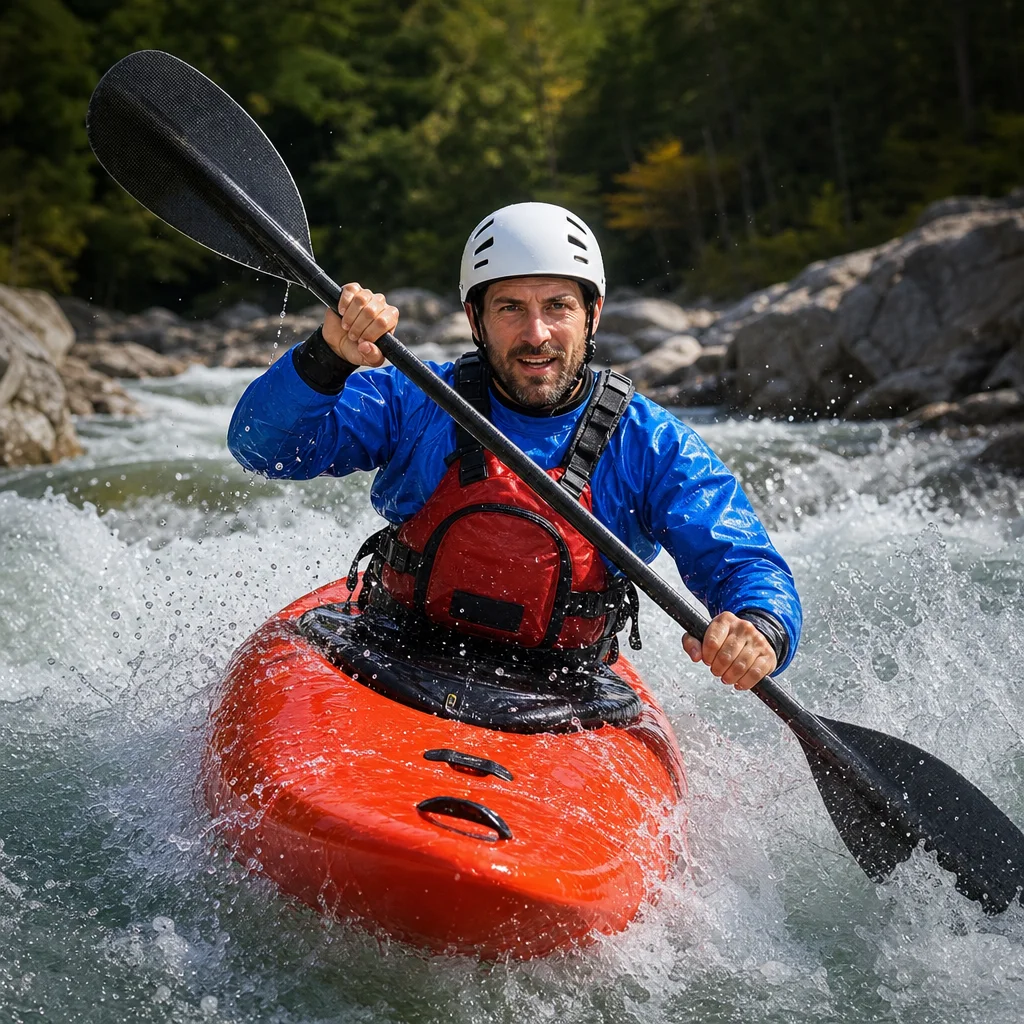
The back support that feels comfortable in a showroom may not be the best choice once you start paddling. A kayak backband and a higher seat back can both support your lower back, but they encourage different sitting positions and allow different amounts of movement.
The right choice depends on your kayak, how actively you paddle, how much support you need, and whether the seat lets you enter and exit without interference. Start by understanding what each option is designed to do rather than choosing based on height alone.
What a kayak backband does
A backband is a relatively low, flexible support that spans the rear of the cockpit. It usually sits around the belt line or lower back instead of reaching high up your torso. Many touring, recreational, and performance kayaks use this style because it supports you without enclosing your upper body.
A backband is often a good match when you want to:
- Rotate your torso freely for forward strokes and other techniques
- Lean the kayak while keeping your upper body mobile
- Maintain easier access to the cockpit
- Wear a spray skirt without a tall seat back pressing against it
- Adjust your posture frequently during a longer paddle
Because a backband is low, it generally gives you less upper-back support. You need to maintain a reasonably upright posture instead of leaning heavily against the seat. That can feel less relaxed at first, especially if you’re used to a chair-like seat in a recreational kayak.
A backband also shouldn’t be confused with no support at all. When adjusted properly, it can provide useful contact at the lower back while allowing your hips, ribs, and shoulders to move as you paddle.
What a higher seat back does
A higher seat back reaches farther up your back and usually feels more like the back of a conventional chair. It can provide a stronger sense of support when you’re paddling casually, fishing, taking breaks, or spending time in a stable recreational kayak.
A higher seat back may suit you if you value:
- A more supported, upright sitting position
- Extra comfort during relaxed outings
- Back support while looking around, fishing, or taking photographs
- A familiar chair-like feel for short trips
- Less need to brace your posture with your core muscles
The trade-off is reduced freedom of movement. A tall back can press against your torso when you rotate or lean. It may also conflict with a spray skirt, a personal flotation device, or the rear edge of the cockpit if the boat was designed around a lower backband.
Some higher seat backs fold down or adjust in height. That flexibility can make them more versatile, but only if the adjustment remains secure and doesn’t interfere with paddling or exiting.
Compare the main trade-offs
Support and posture
A higher seat back provides more contact, but more contact isn’t always better. If it encourages you to slump, it may leave your lower back uncomfortable even though the seat feels cushioned. A backband offers less support, but it can encourage a more active posture with your pelvis stable and your spine relatively upright.
For relaxed recreational paddling, the additional support of a higher seat back may be welcome. For technique-focused paddling, a low backband often makes it easier to connect your legs, hips, torso, and paddle stroke.
Mobility and torso rotation
Torso rotation is important for efficient forward paddling and many turning strokes. You want your shoulders and ribs to move without the seat back stopping you or forcing you to lean away from it.
A backband usually wins for mobility because it supports only the lower part of your back. A high seat back can still work for moderate paddling, particularly if it’s narrow or adjustable, but a bulky backrest may limit rotation.
Comfort
Comfort depends on more than the height of the support. Seat width, padding, leg position, cockpit size, and your posture all matter. A high back may feel comfortable while sitting still but become restrictive after repeated strokes. A backband may feel minimal at first but become more comfortable once you’re using your legs and maintaining a balanced posture.
If you experience pressure in one spot, numbness, or persistent lower-back pain, don’t assume you simply need a taller back. The problem may be seat angle, footrest position, cockpit fit, or poor adjustment.
Cockpit access and exit
A tall seat back can make it harder to slide into the kayak or move your legs during an exit. It may also catch on the rim of the cockpit or interfere with a spray skirt tunnel. These problems are especially important if you’re learning wet exits, paddling in rougher water, or using a kayak with a snug cockpit.
A low backband typically leaves more room behind you. That doesn’t automatically make it safer, but it can simplify movement in and out of the boat.
Test the setup before launching: Sit in the kayak with your normal personal flotation device and paddling clothing. Check your stroke movement, skirt fit if applicable, and ability to exit without the back support catching or trapping you. Follow the boat and seat manufacturer’s installation guidance, and practice any wet exit in controlled conditions with appropriate instruction.
Match the support to your kayak and paddling style
Recreational sit-inside kayak
A higher seat back can be a sensible choice for relaxed paddling on calm water, especially if the kayak has a wide cockpit and is designed around a supportive, chair-like seat. It may also suit paddlers who spend part of the outing resting, fishing, or taking in the scenery.
Choose a lower backband instead if you want to improve your stroke mechanics, practice edging, or make frequent turns. Before changing the original seat, confirm that the replacement fits the cockpit and mounting points.
Touring kayak
A backband is commonly better suited to a touring kayak because touring strokes rely on torso rotation and an active connection with the boat. It also leaves more room for a spray skirt and tends to be less intrusive during braces, edging, and other techniques.
A higher back may still be appropriate for a paddler who prioritizes relaxed comfort, but it should be narrow enough and low enough to avoid restricting movement. A tall, padded seat that pushes you forward can reduce cockpit space and make the kayak feel less natural to control.
Fishing or comfort-focused setup
If your kayak is built for fishing or casual outings, a higher adjustable seat may offer useful support. You’ll spend more time sitting upright and may appreciate the ability to change the back angle during a break.
Pay attention to how high the seat places you. A raised seat changes your position relative to the kayak and can affect balance, paddle angle, and ease of re-entry. The back support itself isn’t the only consideration; the entire seat system needs to match the boat’s design.
Check the fit before you decide
A support is too high, too tight, or poorly positioned if it causes any of the following:
- Your shoulders are pushed forward while paddling
- You can’t rotate your torso naturally
- The backrest presses into your personal flotation device
- Your hips slide forward and your lower back rounds
- Your knees or feet lose comfortable contact with the boat
- You can’t enter or exit smoothly
- The support moves, folds unexpectedly, or rubs against the cockpit
When seated, aim for a balanced position with your pelvis supported, your knees comfortably bent, and your feet connected to the footrests or bulkhead. The back support should help you maintain that position without forcing you to lean backward.
Adjust the footrests and seat position before judging the backband or seat back. A poorly placed footrest can make almost any back support feel uncomfortable. Make small changes, then paddle for long enough to notice pressure and movement rather than relying on a brief test.
Should you replace the factory back support?
Replacing a backband with a high seat back, or the reverse, can improve comfort, but it isn’t always a simple upgrade. Check the kayak’s available mounting points, cockpit dimensions, seat height, and clearance around the rear deck. Some seats are integral to the kayak’s structure or are designed to work with specific hardware.
Avoid drilling new holes or removing structural components unless the manufacturer’s instructions specifically allow it or a qualified kayak outfitter has assessed the modification. A secure-looking installation can still fail if the hardware, attachment points, or seat position is unsuitable.
For many paddlers, adjustment is worth trying before replacement. A backband that is too loose may feel useless, while one that is too high may restrict movement. A higher seat back set too upright can push you forward; reclining it slightly may improve comfort without changing the whole seat.
A simple decision guide
Choose a kayak backband when you primarily want:
- Better torso rotation
- More freedom for edging and bracing
- Easier cockpit access
- A lower-profile setup for touring or technique practice
- Support concentrated around your lower back
Choose a higher seat back when you primarily want:
- A chair-like sitting position
- More upper-back contact during relaxed paddling
- Support for fishing, sightseeing, or frequent breaks
- A comfort-focused setup in a stable recreational kayak
- Easy adjustment of the seat angle, provided the design allows it
If you’re between the two, look for a medium-height or folding back support that preserves cockpit clearance. The most useful setup is the one that supports a neutral posture without restricting your stroke or exit.
Practical next steps
Sit in both styles if possible, wearing the clothing and personal flotation device you normally use. Paddle each setup long enough to check rotation, pressure points, leg contact, and cockpit access. Then inspect the mounting hardware and confirm that the support is compatible with your kayak.
For active paddling and touring, start with a properly adjusted backband. For relaxed outings in a stable recreational or fishing kayak, a higher seat back may provide the comfort you value. In either case, prioritize a balanced fit and reliable movement over the maximum amount of padding.