How to Plan a Kayak Trip During Spring Allergy Season
I’ll compare the main ways to adapt a spring kayak outing for pollen, medication needs, hydration, and shifting weather so you can choose a safer, more comfortable plan without overpacking.
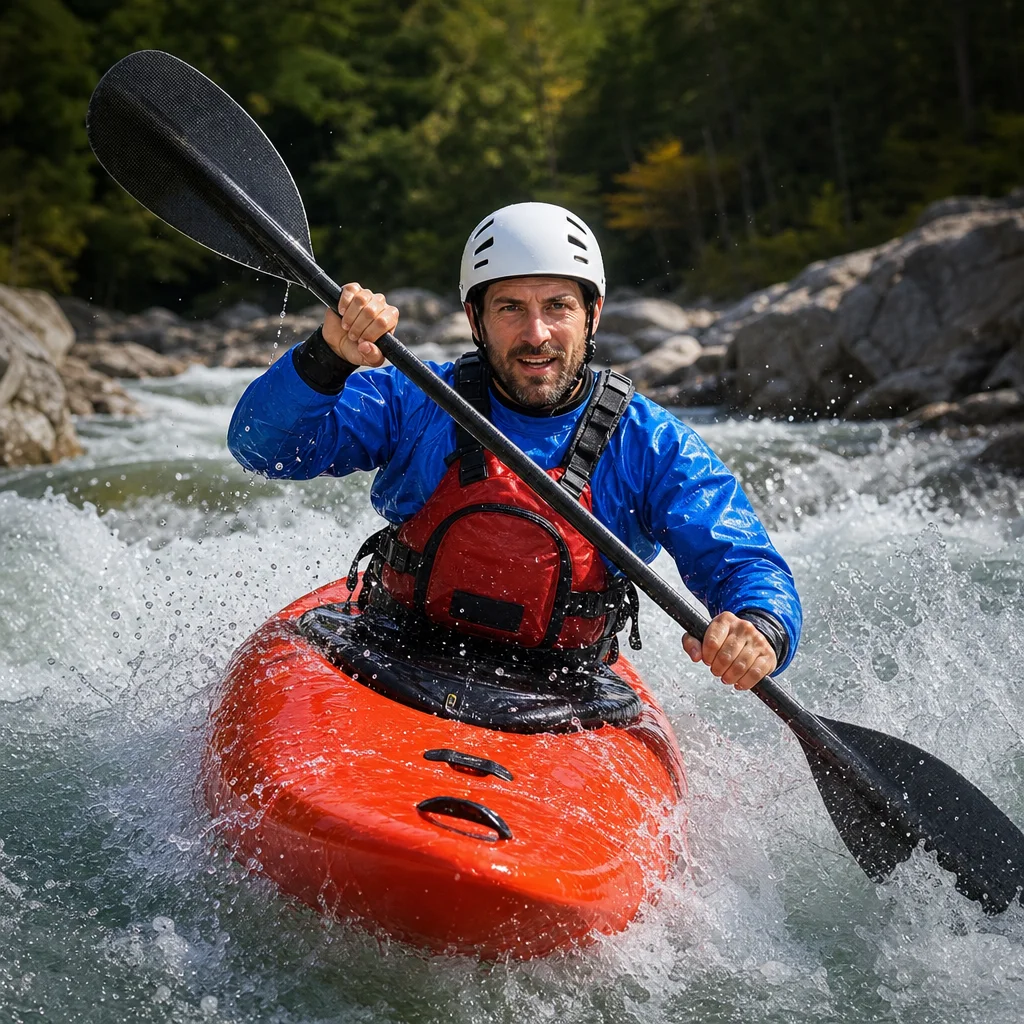
Spring can offer mild temperatures and relatively quiet waterways, but allergy symptoms can change how manageable a kayak trip feels. Sneezing, itchy eyes, congestion, fatigue, or medication side effects can affect your visibility, concentration, balance, and energy.
The best plan isn’t necessarily to cancel every outing or push through uncomfortable conditions. It’s to adjust the trip around your symptoms, the forecast, and the support available if you need to leave early.
Choose the right trip format
You generally have three useful options during high-pollen periods: postpone the trip, shorten or simplify it, or continue with additional precautions. Each approach has a place.
Postpone when symptoms affect safety
Rescheduling is the sensible choice if you’re wheezing, unusually fatigued, having trouble seeing clearly, or dealing with symptoms that distract you from basic boat control. It’s also worth postponing if you’ve started a new medication and don’t yet know whether it makes you drowsy or lightheaded.
A kayak gives you less room for error than a walk along shore. If you can’t comfortably scan for hazards, maintain a steady stroke, or respond to a capsize, the outing can wait.
Shorten the trip when conditions are manageable
A shorter paddle lets you enjoy the water without committing to a long stretch away from your vehicle or launch point. Consider a familiar route with easy exits, a loop close to shore, or an out-and-back trip with a firm turnaround time.
This approach works well when your symptoms are mild but unpredictable. You’ll have more flexibility to stop, rinse your face, take a break, or end the outing before discomfort becomes a problem.
Use a normal route only with a stronger plan
A longer or more remote trip may still be reasonable if your symptoms are controlled, you know how your medication affects you, and you have reliable communication and a capable paddling partner. Don’t treat a familiar route as automatically low-risk; spring weather and water temperatures can still make a minor problem serious.
Check the Day’s Conditions
Before leaving, review the local pollen outlook, air quality, wind and storm forecast, waterway advisories, and launch access. Follow the instructions on any medication label, and ask a pharmacist or clinician about timing, drowsiness, interactions, or storage questions that apply to you.
Pick a route that reduces exposure and complexity
Route choice can make as much difference as the length of the trip. You’re balancing pollen exposure against wind, shade, current, boat traffic, and the availability of places to get off the water.
Favor sheltered, easy-access water
A small lake, calm reservoir, or protected section of a larger waterway may be easier to manage than an exposed crossing. Look for a route with frequent shoreline access, clear landmarks, and a launch you already understand.
Shelter can reduce wind-driven spray and make it easier to take breaks, but it doesn’t guarantee lower pollen levels. Tree-lined shorelines may be pleasant while also placing you near heavy seasonal blooms. Consider the whole route rather than assuming that shade means fewer allergens.
Avoid ambitious crossings and remote stretches
Open crossings remove your easiest options for stopping early. They can also expose you to stronger wind and make it harder to return if congestion, watery eyes, or fatigue develops.
For an allergy-season trip, choose a route where you can divide the paddle into manageable sections. A simple shoreline route is often more useful than a scenic route that leaves you committed to several hours on the water.
Plan around the most comfortable part of the day
Pollen levels vary with local plants, weather, and time of day, so there isn’t one universal “best” launch time. Hot, dry, windy conditions can spread airborne particles, while rain may temporarily reduce airborne pollen but can bring its own visibility, lightning, and water-safety concerns.
Use the local forecast as a planning input, not a guarantee. A cool, calm morning may be more comfortable for one paddler, while another may do better later after taking prescribed or over-the-counter medication according to the label.
Handle medication and allergy supplies safely
Bring only medication that you use appropriately and understand. Don’t take an unfamiliar product immediately before a paddling trip simply because the package suggests it may help. Some antihistamines and other allergy medicines can cause drowsiness, slowed reactions, dry mouth, or dizziness.
If you’re considering a different product, discuss it with a pharmacist or clinician before relying on it on the water. Follow the product’s instructions rather than changing the dose or timing on your own.
Keep medication dry and accessible
Place medication in a waterproof pouch or dry bag, ideally in a location you can reach without unpacking the entire kayak. Keep it in its original labeled container when practical, and protect it from excessive heat and direct sunlight.
A sealed bag inside a dry bag gives you useful redundancy. Don’t leave medication baking in a closed vehicle or sitting loose on the deck, where it can be lost during a capsize.
Pack supplies for the symptoms you actually get
Depending on your needs, a compact kit might include:
- Your usual allergy medication, stored according to its instructions
- A backup pair of sunglasses or protective eyewear
- Tissues in a waterproof pouch
- Clean water for drinking and, if appropriate, rinsing your face or hands
- Any prescribed emergency medication you’re expected to carry
- A charged phone in a waterproof case
- A small towel or clean cloth
Avoid sharing medication. If you paddle with others, tell them where your emergency medication is and what to do if you become confused, severely short of breath, or unable to continue.
Protect your eyes, skin, and airways
Wraparound sunglasses can reduce wind, glare, and direct contact with airborne particles. They also make it easier to keep your eyes open when conditions are irritating. Choose eyewear that doesn’t interfere with your ability to see nearby boats, rocks, and other hazards.
A hat with a brim can provide additional comfort. Lightweight, quick-drying clothing gives you more options than heavy layers if the temperature rises.
A face covering may help some people reduce irritation, but it shouldn’t make breathing difficult or interfere with communication, vision, or your ability to perform a self-rescue. If you use one, test it during light activity on land first.
Try not to rub your eyes with wet or dirty hands. Rinse or clean your hands before handling contact lenses, medication, food, or your face. If your eyes become painful, your vision changes, or irritation doesn’t settle, end the trip rather than trying to tolerate it.
Build hydration and rest into the plan
Congestion, mouth breathing, warm weather, and some allergy medications can make your mouth and throat feel dry. Bring enough water for the planned trip plus a reserve for delays. Keep it secured where you can reach it without upsetting your balance.
Take short breaks before you feel depleted. On shore, choose a stable location away from steep banks, slippery rocks, and boat traffic. A break is also a good time to check whether your symptoms are improving or whether it’s time to turn back.
Avoid treating excessive caffeine or alcohol as part of your hydration plan. Alcohol can impair judgment and coordination, and it doesn’t belong in a kayaking safety strategy.
Account for changing spring weather
Spring conditions can shift quickly. A calm launch may become windy later, and warm air doesn’t mean the water is safe for an unexpected swim. Check the forecast shortly before departure and keep watching the sky and surface conditions during the trip.
Wear a properly fitted personal flotation device throughout the outing. Dress for the water temperature, not just the air temperature, and bring a waterproof layer if rain or wind is possible. If thunderstorms, strong winds, or rapidly deteriorating visibility are developing, head back early.
Allergy symptoms can make weather problems harder to manage. Congestion may affect breathing comfort, while watery or irritated eyes can reduce visibility. That’s another reason to select a route with simple exits and to avoid making the trip dependent on perfect conditions.
Create a clear turnaround plan
Decide before launching what will make you shorten or end the trip. Useful triggers include:
- Symptoms becoming noticeably worse rather than stable
- Drowsiness, dizziness, confusion, or unusual weakness
- Trouble seeing clearly or breathing comfortably
- Wind, waves, current, or storms exceeding your comfort level
- A medication or essential item becoming wet, lost, or inaccessible
- Falling behind your planned schedule
Tell your paddling partner or a trusted contact your route, launch point, expected return time, and the conditions that would change your plan. If you’re paddling alone, select a route with dependable cell coverage only if you’ve confirmed that coverage exists; don’t treat a phone as a substitute for conservative planning.
Clean up after the outing
When you return, rinse or wash sunglasses, paddling gloves, and other items that collected pollen. Change out of dusty clothing before settling into your vehicle or home, and keep wet gear separate from clean supplies.
Dry the kayak and gear according to the manufacturer’s care guidance. Check your dry bags and medication pouch for leaks, and replace anything that was contaminated, damaged, or exposed to unsuitable heat or moisture.
Practical next steps
For your next spring outing, start with a short, familiar route near easy shoreline access. Check the current forecast and pollen conditions, pack water and protected allergy supplies, and decide on your turnaround triggers before you launch.
If symptoms are mild and stable, a simplified trip may be enough. If medication side effects are uncertain or symptoms affect breathing, vision, alertness, or coordination, postpone the paddle and get appropriate medical guidance. Comfortable kayaking begins with choosing conditions that leave you enough margin to respond when the day doesn’t go exactly as planned.