A Practical Layering System for Fall Kayaking
Fall kayaking rewards adaptable clothing because air temperatures can change quickly while cold water, wind, spray, and fading daylight raise the consequences of getting chilled. I’ll show you how to choose, combine, and pack layers without carrying more than you need.
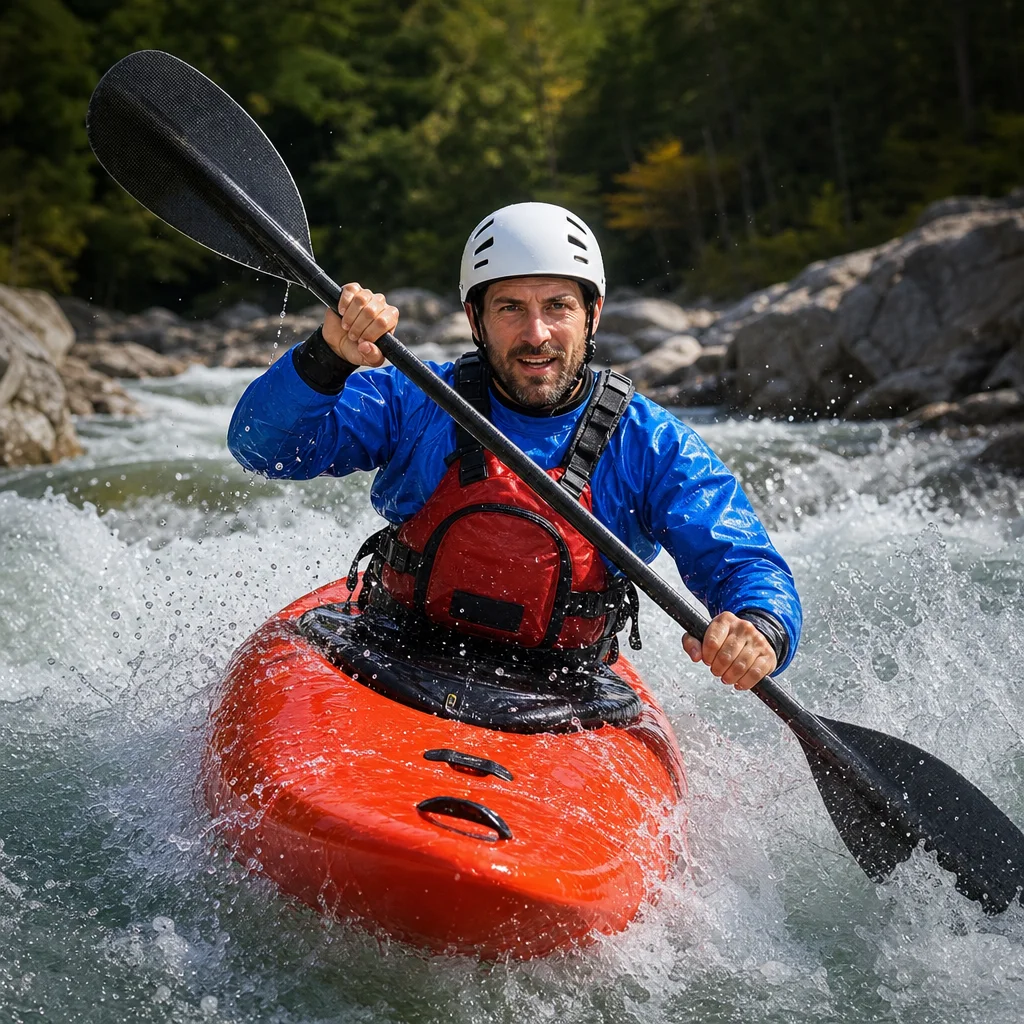
By Kyle Bennett · Kayak Gear
Fall kayaking rarely feels like one consistent season. A sunny launch can become windy within an hour, and the temperature you feel on shore may have little to do with the temperature of the water. Your layering system needs to manage both comfort and consequences: staying warm while paddling, avoiding overheating during a carry, and retaining enough protection if you capsize or end up in the water.
The most useful approach isn't packing every garment you own. Instead, build a small system with layers that each have a job, then adjust it for water temperature, wind, precipitation, trip length, and daylight.
Start with the water, not the air
Air temperature is easy to notice, but water temperature is the more important factor when you’re deciding how much immersion protection you need. In the Northern United States and Canada, water can remain dangerously cold well after summer air temperatures have disappeared. A capsize, wet exit, or swim can turn a comfortable outing into a serious problem quickly.
That changes the role of your clothing. Layers designed only to keep you comfortable while seated in a kayak may not provide enough protection in the water. A fleece jacket can be warm in the cockpit, but it isn’t a substitute for a wetsuit or drysuit when cold-water immersion is a realistic possibility.
Check the conditions you’re dressing for: Before choosing your final system, check the forecast, wind, precipitation, water temperature if available, route exposure, and daylight. Dress for the consequences of an unplanned swim—not just the conditions at launch.
For cold water, a properly fitted wetsuit or drysuit is often the foundation of a safer system. The right choice depends on water temperature, the likelihood of immersion, your rescue skills, and the support available on the trip. If you’re unsure, a qualified paddling instructor or outfitter can help you assess fit and protection for local conditions.
Build the system in four layers
A practical fall system usually includes a base layer, an insulating layer, a weather layer, and immersion protection when conditions require it. You may not wear all four pieces at once, but thinking in these categories makes packing and adjusting easier.
1. Base layer: move moisture away
Your base layer sits next to your skin. Its job is to manage sweat and reduce the clammy feeling that develops when you paddle hard or wear a waterproof garment.
Synthetic fabrics and wool are common choices because they continue to provide some warmth when damp and dry more reliably than cotton. Avoid cotton as your primary next-to-skin layer for cool-weather paddling. Cotton absorbs moisture, dries slowly, and can leave you chilled during a rest stop or after a capsize.
Choose a close-fitting top and bottom that don’t restrict your stroke. A lightweight or midweight base layer is usually easier to manage than one very thick garment. You can add insulation over it when needed rather than being stuck with too much warmth during a sunny afternoon.
2. Insulating layer: retain warmth when you’re not working hard
An insulating layer traps warm air near your body. Fleece, synthetic fill, and wool can all work, with different trade-offs in bulk, warmth, and drying time.
A thin fleece top is versatile for mild fall days. A thicker fleece or synthetic-insulated jacket makes more sense for colder launches, long crossings, or breaks when your body cools down. A vest can add core warmth while leaving your arms less restricted, although it doesn’t replace full upper-body insulation in genuinely cold conditions.
Avoid choosing insulation based only on how warm it feels while standing still. Paddling generates heat, and bulky sleeves can interfere with your stroke or catch on equipment. Pack a warmer layer for stops and emergencies even if you don’t wear it at launch.
3. Weather layer: block wind and precipitation
Your outer layer protects the insulation and base layer from wind, rain, and spray. For mild conditions, a paddling jacket or breathable rain shell may be enough. In colder, wetter conditions, a waterproof-breathable jacket with wrist and neck closures can reduce flushing from spray.
Fit matters more than a long list of features. You should be able to rotate your torso, lift your arms, and reach your paddle without the jacket pulling across your shoulders. Sleeves should cover your wrists when your arms are extended. A slightly longer back can help keep water out when you lean forward, but excessive fabric may bunch in the cockpit.
A weather shell helps keep you dry, but it shouldn't be mistaken for immersion protection. Unless it’s part of a correctly fitted drysuit system, it may not keep water from entering during a swim.
4. Immersion layer: plan for the water
A wetsuit provides insulation by using a layer of neoprene to slow heat loss. Thickness, design, and fit vary, so you need enough flexibility for paddling without large gaps that allow water to flush through. A farmer-john style suit leaves your arms freer, while a full suit offers more coverage.
A drysuit is designed to keep water out when its seals and closures are properly maintained and worn with suitable insulating layers underneath. It can be more adaptable across changing conditions, but it costs more, requires careful fit, and demands attention to zippers, gaskets, and repairs.
Neither option removes the need for sound judgment. A wetsuit or drysuit can improve your margin for error, but it doesn’t make cold-water immersion harmless. Wear your personal flotation device over the appropriate layers, and make sure the complete system allows you to move and perform a rescue.
Don’t forget your extremities
Hands, feet, and head often determine whether a fall outing feels manageable. They also become difficult to use when cold, which matters if you need to paddle hard, operate a spray skirt, or perform a self-rescue.
For your hands, consider the trade-off between warmth and paddle control. Neoprene gloves or pogies can reduce heat loss, but some paddlers find that bulky gloves affect grip and dexterity. Whatever you choose, test it with your paddle and other equipment before the trip.
Your footwear should fit inside the footwell without compressing your toes. Neoprene booties or paddling shoes can provide warmth and protection during launches, while a sole with useful traction helps on wet rocks and muddy banks. Avoid footwear so large that it prevents comfortable foot-brace use or makes an exit difficult.
A warm hat can help on cold, windy days, but a brimmed cap may improve visibility in rain. Keep a spare hat or gloves in a dry bag if your route is exposed or your clothing is likely to get soaked by spray.
Adjust for the main fall variables
Wind and open water
Wind increases heat loss and can make a moderate air temperature feel much colder. Add a wind-resistant outer layer before you become chilled, especially on crossings or exposed lakes. If the wind is strong enough to affect control, the better adjustment may be changing the route or postponing the trip rather than adding clothing.
Rain and spray
Rain can overwhelm an otherwise adequate clothing system. Use a waterproof layer with closures that work around your wrists and neck, and keep spare insulation sealed in a dry bag. A spray skirt can reduce water entering the cockpit, but it also makes it more important to understand wet exits and rescue procedures.
Shorter daylight
Cool-weather trips often end in darkness sooner than expected. Darkness doesn’t directly change your layering system, but it can extend the time you spend outside if navigation or recovery takes longer. Carry a dry emergency layer and headlamp, and leave enough time to finish before conditions become harder to manage.
High activity and rest stops
You may need less insulation while paddling steadily and more during lunch, photography, or shoreline delays. Start slightly cool rather than sweating heavily, then add a layer before stopping. Store the extra layer where you can reach it without emptying the entire kayak.
Pack a compact clothing backup
A useful fall clothing kit might include:
- One moisture-managing base layer
- One insulating top, sized for the forecast and trip length
- A windproof or waterproof outer layer
- Warm hat and gloves or mitts
- Suitable footwear and spare socks
- A dry emergency layer sealed in a dry bag
- A towel or small changing aid for a wet exit or unplanned swim
The exact list should reflect your immersion protection and route. A short, sheltered paddle near a vehicle needs a different backup plan from a remote crossing. Keep the emergency clothing dry; a damp spare layer provides little value when you need it most.
Test the whole system before a committing trip
Wear every layer while sitting in your kayak and holding your paddle. Check whether the collar interferes with your head movement, whether sleeves catch on the paddle, and whether your waist layers bunch under the spray skirt. Practice reaching your rescue equipment and exiting the kayak while wearing the clothing you plan to use.
If you use a wetsuit or drysuit, test the fit with your personal flotation device and other safety equipment. A system that works separately may become restrictive when combined. Look for pressure points, limited shoulder rotation, and anything that could interfere with a wet exit or rescue.
Practical next steps
For your next fall outing, begin by identifying the water temperature and the most serious plausible problem—not the warmest part of the forecast. Choose a base layer that manages moisture, add insulation you can remove, and use a weather layer that blocks the conditions you expect. Then pack one warm, dry backup and test the complete system in the kayak before heading into exposed or remote water.
The goal is a compact setup that gives you options. If your clothing keeps you warm enough to paddle, protected from wind and spray, and prepared for an unplanned immersion, you can spend less attention managing discomfort and more attention managing the water.