How to Recover a Kayak Paddle You Dropped Overboard
When a paddle slips into the water, staying upright matters more than getting it back quickly. I’ll walk you through a calm recovery sequence, explain when to use a spare or retrieval aid, and show how to avoid turning a small mistake into a dangerous chase.
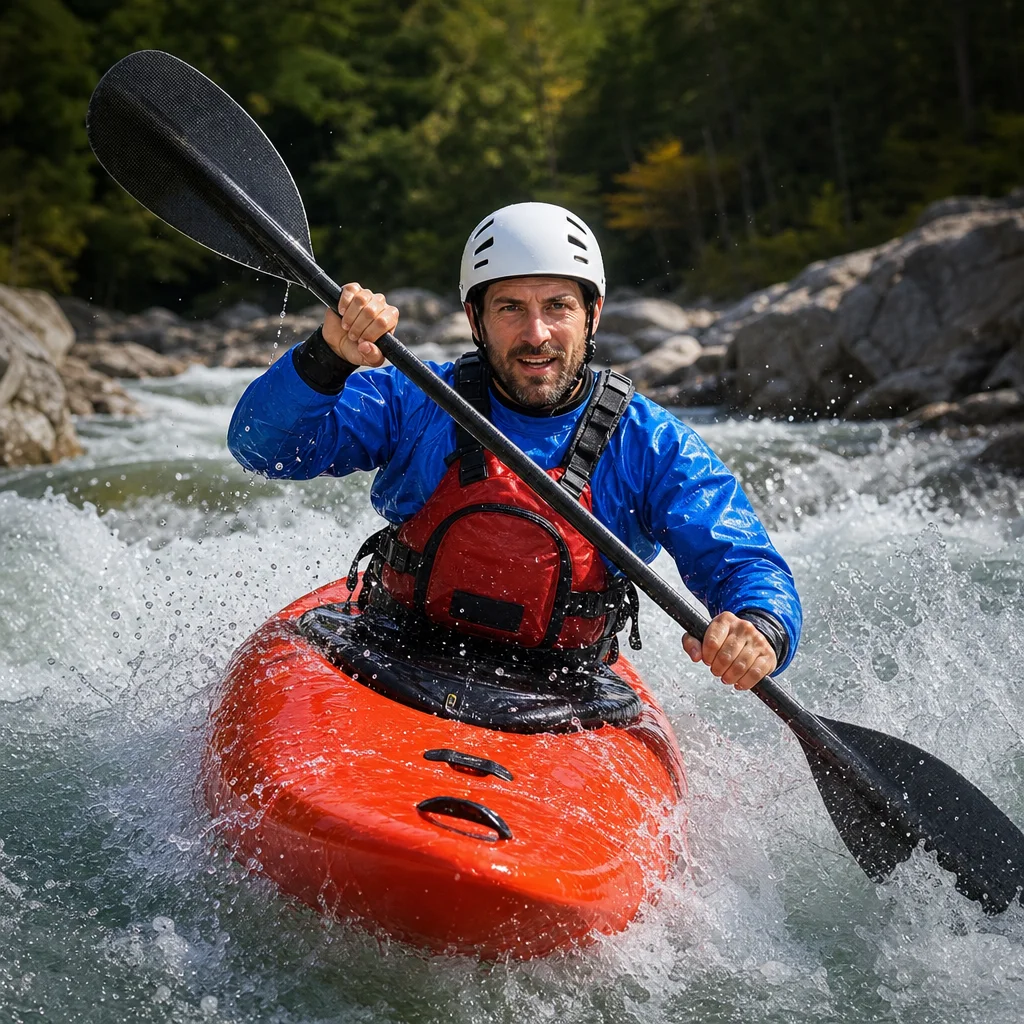
Dropping a paddle can make an ordinary outing feel suddenly unmanageable, especially if wind or current starts carrying it away. Your first priority isn't the paddle—it’s keeping the kayak stable, maintaining your position, and deciding whether recovery is sensible in the conditions.
A good recovery plan is simple: stabilize yourself, locate the paddle, avoid overreaching, and use a spare or retrieval method when one is available. If the paddle is moving into hazardous water, let it go and focus on getting yourself and the kayak to safety.
Stop and stabilize the kayak
As soon as the paddle leaves your hands, resist the instinct to lunge after it. Sudden movement is a common cause of capsizing during equipment recovery.
Keep your torso centered over the kayak. Sit upright or slightly lower your body, keep your legs and feet in their normal bracing position, and use your hands to steady yourself if necessary. If you still have part of the paddle in your hand, keep it close rather than extending it far to one side.
Look at the kayak’s position before you look at the paddle. Notice whether wind, waves, or current are moving you toward rocks, boat traffic, strainers, surf, or another hazard. A floating paddle can be replaced; a poor position on the water can become a rescue problem.
If you’re paddling with others, tell them what happened. A companion can watch the paddle, help you maintain position, or retrieve it while you remain focused on stability.
Check the conditions first: Before reaching for the paddle, assess wind, current, waves, nearby hazards, water temperature, and your distance from shore. If recovering the paddle would make you unstable or move you toward danger, stop trying to retrieve it.
Retrieve a nearby paddle without leaning too far
If the paddle is close and the water is calm, you may be able to pick it up from the kayak. The technique depends on how far away it is and which side of the kayak it’s on.
Keep the reach low and close
Turn your upper body toward the paddle while keeping your hips centered. Reach with the hand on the same side as the paddle, and keep your shoulders over the kayak rather than hanging your body outside it.
A short reach at the waterline is usually more stable than leaning down from the waist. If you can’t touch the paddle without shifting your weight significantly, it isn’t close enough for a safe hand recovery.
Don't stretch across the kayak to grab a paddle on the opposite side. That movement raises your center of gravity and can pull the kayak sharply toward the paddle. Instead, let the paddle move closer if conditions allow, or use another recovery option.
Control the paddle once you have it
A paddle can slide away as soon as you touch it, particularly in waves or current. Grab the shaft near the center or a blade area that gives you control, then bring it across your lap or alongside the kayak. Avoid holding one blade far away while the other end swings around.
If the paddle is partly under the kayak, don’t pull hard from an awkward angle. A forceful tug can upset the boat or trap the paddle. Move the kayak clear of it first if you can do so safely; otherwise, abandon the attempt.
Use a spare paddle when recovery is awkward
A spare paddle is often the simplest solution when the dropped paddle is out of reach. It lets you regain control of the kayak without spending valuable attention on a moving object.
For a touring or recreational kayak, store the spare where you can reach it while seated and without opening a hatch. Common locations include deck-mounted paddle clips or secure storage beside the cockpit, depending on the kayak’s design. The spare should be held firmly enough that it won’t wash away, but accessible enough to deploy quickly.
After getting the spare, paddle away from immediate hazards before deciding what to do with the original. If another person is with you, they may be able to recover the dropped paddle while you hold position in a safer area.
A spare paddle doesn’t need to be identical to your primary paddle for a short emergency move, but it should be compatible with your kayak and usable from your normal seating position. Practice taking it out on shore so you’re not learning the storage system in wind or waves.
Consider a retrieval aid carefully
Some paddlers carry equipment that can help with a floating paddle, such as a short retrieval line, boat hook, or other purpose-designed aid. These tools can extend your reach while keeping your body centered, but they introduce their own handling concerns.
A line should never be thrown or deployed in a way that can wrap around your legs, arms, paddle, or another person. Keep loose line controlled, and don’t attach a retrieval cord to your body. If the line catches on underwater vegetation, rocks, or another boat, release it rather than fighting the obstruction from an unstable kayak.
A boat hook or similar tool may be useful from a stable, open cockpit or sit-on-top kayak, but it can become awkward in waves. Keep it low and close, and avoid using it as a lever against the kayak. If extending the tool makes you twist or lean, it’s not improving the situation.
A paddle leash can reduce the chance of losing contact with a paddle in some settings, but it isn’t a universal answer. A leash can create an entanglement risk, particularly in moving water, surf, a capsize, or around other equipment. If you use one, understand how it releases and follow the manufacturer’s instructions and local safety guidance. Never assume a leash makes it safe to chase or pull hard on a submerged paddle.
Don’t chase the paddle into hazardous water
A dropped paddle can drift faster than it appears, especially with wind or current. Paddling after it may take you away from your planned route, toward a hazard, or farther from a safe landing area.
Set a limit before you attempt recovery. If the paddle is already beyond a stable reach, moving toward traffic, entering breaking waves, or drifting toward rocks, stop the chase. Use your spare, signal for assistance, or head toward shore using the safest available method.
If you have no spare and the water is calm, you may be able to move the kayak with your hands. Use short, controlled hand strokes close to the hull rather than splashing or reaching far to either side. This is slow and tiring, so treat it as a way to reach a nearby safe location—not as a substitute for a paddle over a long distance.
A companion can sometimes bring the paddle back, but both paddlers need to maintain safe spacing. Don’t create a second emergency by having someone leave a stable kayak to swim after equipment in cold, moving, or rough water.
If the kayak capsizes during the attempt
If you capsize while reaching for the paddle, switch immediately from equipment recovery to self-rescue. Keep hold of the kayak if possible, stay with it, and follow the rescue method you’ve practiced for that kayak and waterway.
A paddle float, pump, or other rescue equipment can be useful only if you know how to use it and can access it without losing contact with the kayak. In cold water, minimize the time you spend separated from the boat. If you’re unable to re-enter or conditions are worsening, signal for help rather than continuing to pursue the paddle.
If the paddle has drifted away, don’t swim after it. Swimming away from the kayak removes your largest piece of flotation and makes you harder to locate. Recover yourself and the kayak first; the paddle is secondary.
Prevent the next dropped-paddle problem
A few habits make this incident less likely and easier to manage:
- Keep a usable spare paddle secured within seated reach.
- Practice taking the spare out while wearing your normal gear.
- Check deck fittings, clips, and storage straps before launching.
- Avoid placing the paddle loosely across the deck during stops or rescues.
- Use a paddle leash only when it suits the conditions and you understand its entanglement risks.
- Practice low, controlled reaches on calm water so you know your kayak’s stability limits.
- Tell your paddling partners where your spare and rescue equipment are stored.
The best time to test your recovery plan is on calm water near a safe landing area. Deliberately rehearse reaching for a floating paddle without leaning too far, deploying the spare, and moving the kayak with your hands. Stop the practice before your stability deteriorates.
A simple decision sequence
When a paddle goes overboard, use this order:
- Stabilize yourself and the kayak.
- Check wind, current, waves, hazards, and your route to safety.
- Retrieve by hand only if the paddle is close and the reach is stable.
- Use a properly secured spare if the paddle is out of reach.
- Try a retrieval aid only if it won’t create an entanglement or stability problem.
- Abandon the chase if conditions are worsening or the paddle is moving toward danger.
- If you capsize, stay with the kayak and begin your practiced self-rescue.
A dropped paddle is usually a manageable equipment problem when you keep the kayak stable and make a deliberate decision. Secure your spare, practice the recovery sequence, and remember that reaching shore safely is more important than recovering one piece of gear.