How to Set Up a Kayak for a Paddler With Long Legs
I’ll explain how cockpit size, foot-brace position, and seat adjustments affect comfort for long-legged paddlers, then help you recognize when a kayak’s compromises are signs that the boat is simply too small.
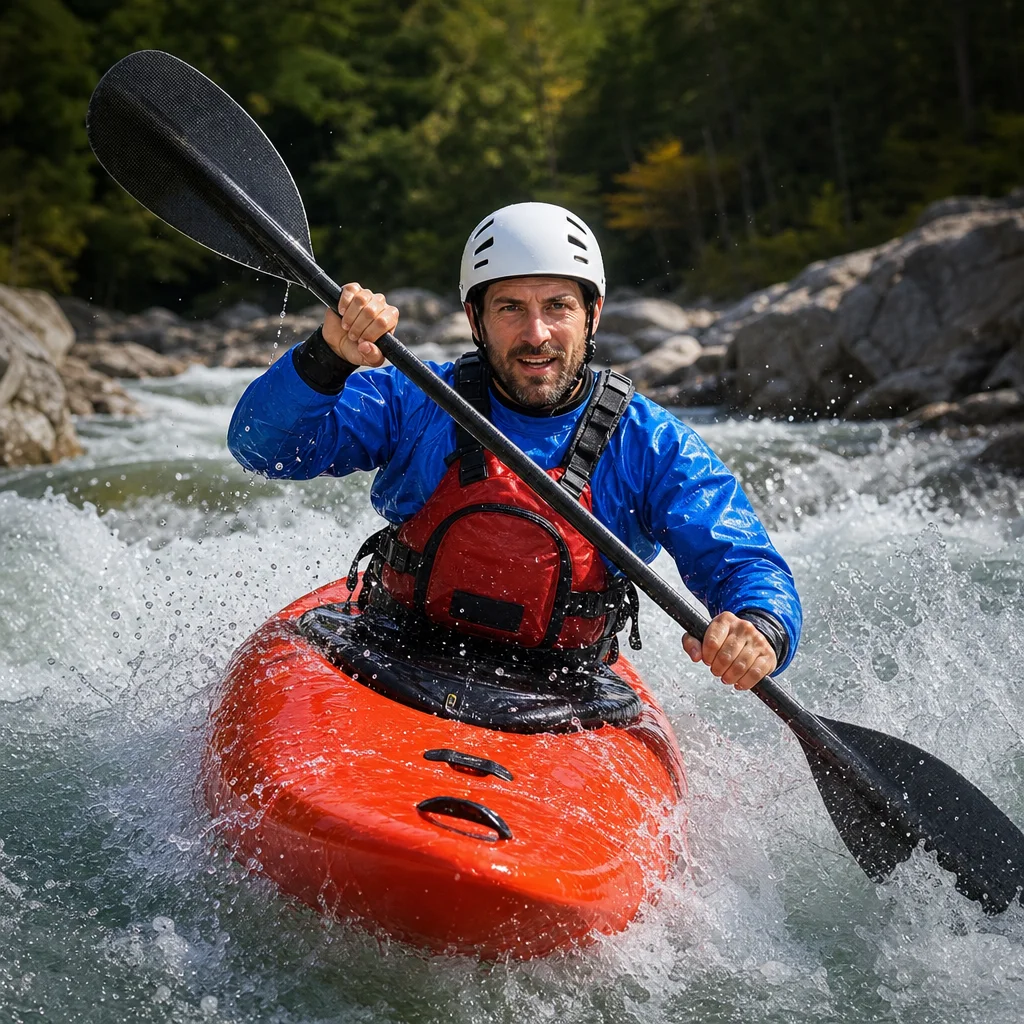
A kayak can look roomy on land and still feel cramped once you’re seated, especially if you have long legs. The problem isn’t always the kayak’s overall length. Cockpit opening, deck height, seat position, foot-brace travel, and the shape of the thigh area all determine whether you can paddle comfortably and control the boat.
For a tall beginner or intermediate paddler, the goal isn’t to stretch every available inch. You want a position that gives you reliable contact with the kayak while allowing your knees and ankles to move naturally. A boat that technically accommodates your legs may still be a poor fit if getting in, getting out, or using the controls requires awkward force.
Start With the Cockpit, Not the Kayak’s Overall Length
A longer kayak doesn't automatically provide more legroom. Hull length mainly affects factors such as speed, tracking, capacity, and storage. Your fit depends more directly on the cockpit and the space between the seat, deck, and foot braces.
Check cockpit length and width
A long-legged paddler usually benefits from a cockpit opening that allows the legs to enter without excessive bending. The opening should be long enough that you can lower yourself into the seat without catching your knees on the front rim. It should also be wide enough for your hips and feet to pass through without twisting into an awkward position.
A larger recreational cockpit can make entry and exit easier, but it may provide less snug contact around your thighs. A smaller touring-style cockpit can offer better boat control, yet it may be difficult to enter or leave if your knees sit high or your legs don't have room to rotate.
The cockpit’s height matters too. A low front deck can press against your thighs, while a high deck may create more room but reduce the close contact some paddlers prefer for edging and control. Look for usable space rather than a single advertised cockpit measurement.
Consider seat-to-deck clearance
Sit in the kayak with your back against the seat and your feet positioned where the braces would be. Your knees should have room to rise slightly without pressing hard into the underside of the deck. You should also be able to move your feet and ankles enough to adjust your position.
If the deck presses on your thighs before the foot braces are even adjusted, moving the braces forward may not solve the problem. The issue may be the boat’s deck height or the seat’s relationship to the deck.
Set the Seat Before Moving the Foot Braces
Seat adjustment changes the entire geometry of the kayak. Depending on the model, you may be able to move the seat forward or backward, change the seat-back angle, raise or lower the seat, or adjust the thigh support.
Start with the seat near its neutral position rather than immediately pushing it all the way back. Sit upright with your lower back supported, then place your feet against the foot braces. From there, make small adjustments.
Seat position
Moving the seat backward usually creates more space for your legs, but it can also change how the kayak balances on the water. If too much weight shifts toward the stern, the bow may sit unusually high. Moving the seat forward can improve trim in some situations, but it reduces available legroom.
Use the seat to find a workable balance rather than treating it as a substitute for an adequately sized cockpit. If the seat must be pushed to an extreme position just to keep your knees from hitting the deck, the kayak may not be the right size.
Seat-back angle
A very reclined seat back can make your legs feel longer because your hips move forward, but it generally reduces an upright paddling posture. You may also lose useful support for torso rotation.
Set the seat back so you can sit tall without straining. Your shoulders should remain relaxed, and you should be able to rotate your torso while keeping your lower back supported. A small angle change can make more difference than adding padding.
Seat height and padding
Raising the seat may create more thigh clearance, but it also raises your center of gravity. That can make a kayak feel less stable, particularly if the seat becomes soft or thick enough to let you shift around.
Use only modest padding unless the manufacturer provides a compatible adjustment. If you need a thick cushion to create legroom, check whether it is actually lifting your body into the deck or changing your balance. Padding should improve comfort without preventing you from maintaining secure contact with the kayak.
Adjust the Foot Braces for Control, Not Maximum Leg Extension
Long legs can make it tempting to slide the foot braces as far forward as possible. That often creates a weak, stretched-out position rather than useful support.
With the seat set, adjust each brace so your knees remain slightly bent. Your feet should make firm, comfortable contact, and your ankles shouldn't be forced into an extreme angle. You should be able to press into the braces without locking your knees or pointing your toes continuously.
A good position usually allows:
- Slight knee bend rather than straight legs
- Firm contact through the balls of your feet or the intended foot supports
- Relaxed ankles and feet
- Light contact between your thighs and any thigh pads or braces
- Enough room to move your legs when entering and exiting
The braces should support your body during strokes and help you maintain contact with the kayak. They shouldn't be used to wedge yourself tightly into place. Excessive pressure can create numb feet, cramped calves, or knee discomfort, and it may make an emergency exit harder.
Adjust both sides evenly
Unless your kayak has a specific design that requires otherwise, set the foot braces evenly. Unequal positions can leave your hips or knees twisted. If one leg is longer or you have an injury, make changes gradually and pay attention to whether the altered position affects your ability to control the kayak.
On kayaks with rudder pedals, the pedal system may combine foot support and steering control. Move the pedals according to the manufacturer’s adjustment method rather than forcing the cables or sliding parts beyond their intended range.
Check Your Fit Before Launching: Confirm the seat, foot braces, rudder controls, and any thigh supports are locked as intended. Practice entering and exiting in shallow, controlled conditions, and follow the kayak manufacturer’s instructions and local water-safety requirements for your outing.
Compare the Main Trade-Offs
There is no single setup that gives every tall paddler maximum room and maximum control. The best choice depends on how you use the kayak.
Larger recreational cockpit
A large cockpit is usually easier to enter and exit and may provide more forgiving legroom. It can be a good match for casual paddling, calm water, and beginners who prioritize comfort.
The trade-off is that a very open cockpit may provide less thigh contact. If the seat, foot braces, and cockpit sides don't hold you comfortably, the kayak can feel less connected during turns or rougher conditions.
Smaller touring cockpit
A smaller cockpit can provide closer contact and more precise control. It may suit paddlers who expect to develop edging, bracing, or other skills that benefit from a snug fit.
The trade-off is less tolerance for long legs, large footwear, limited flexibility, or difficult entry conditions. The cockpit must still allow you to enter and exit without excessive bending or force.
Adjustable outfitting
A kayak with sliding braces, a movable seat, adjustable thigh supports, or a height-adjustable seat may accommodate a wider range of bodies. Adjustability is useful, but it doesn't guarantee a good fit. Components may have limited travel, and extreme settings can affect balance or control.
Fixed outfitting can work well when it happens to match your proportions. It is less forgiving if the initial fit is wrong, so spend more time sitting in the boat before buying.
Warning Signs the Kayak Is Too Small
Some discomfort is a setup issue. Other problems indicate that the kayak’s basic dimensions don't suit you. Treat these signs seriously rather than assuming you will adapt with more time.
The boat may be too small if:
- Your knees press firmly into the deck even after reasonable seat and brace adjustments
- You can't enter or exit without catching your legs on the cockpit rim
- Your hips are squeezed by the seat or cockpit sides
- Your feet can't reach the braces without locking your knees
- Your heels or toes remain unsupported in the available footwell
- You can't sit upright without your thighs pressing into the deck
- The rudder pedals are reachable only when your knees are sharply bent or fully extended
- You lose circulation, develop persistent numbness, or feel pressure at your knees, hips, or lower back
- You must use extreme seat or brace positions to create basic legroom
- You can't remove your legs smoothly during a dry exit
A brief test in a store or on land won't reveal every issue. Sit in the kayak long enough to notice pressure points, then repeat the fit check wearing the footwear and clothing you expect to use. If possible, try the kayak on calm water before committing to it.
A Simple Fit-Check Sequence
Use this order when evaluating a kayak:
- Enter and exit without forcing your knees or twisting sharply.
- Set the seat back so you can sit upright and relaxed.
- Adjust the foot braces until your knees are slightly bent.
- Check that your feet, thighs, and hips have stable but not painful contact.
- Rotate your torso and take several relaxed practice strokes.
- Move your legs enough to confirm that you can leave the cockpit smoothly.
- Check that the kayak’s controls remain reachable without compromising your posture.
- Recheck the fit after several minutes, when pressure points are easier to notice.
If the boat feels slightly loose, outfitting adjustments may improve it. If it feels fundamentally cramped, no seat pad or brace adjustment can create deck space that the kayak doesn't have.
Practical Next Steps
Measure your inseam and bring that information when comparing kayaks, but use it as a starting point rather than a guarantee. Sit in several boats with different cockpit lengths, deck heights, and outfitting systems. Prioritize a relaxed upright posture, slightly bent knees, dependable foot support, and an uncomplicated exit.
A kayak that fits well should let you focus on paddling instead of constantly negotiating with the cockpit. When two boats both accommodate your legs, choose based on the trade-off you actually need: easier entry and comfort, or closer contact and more precise control.