How to Use a Kayak Tow Line Without Creating a Tangle
I’ll explain how to attach, deploy, manage, and release a kayak tow line while reducing snag and entanglement risks. You’ll also learn how spacing, communication, equipment choice, and changing conditions affect a short assisted tow.
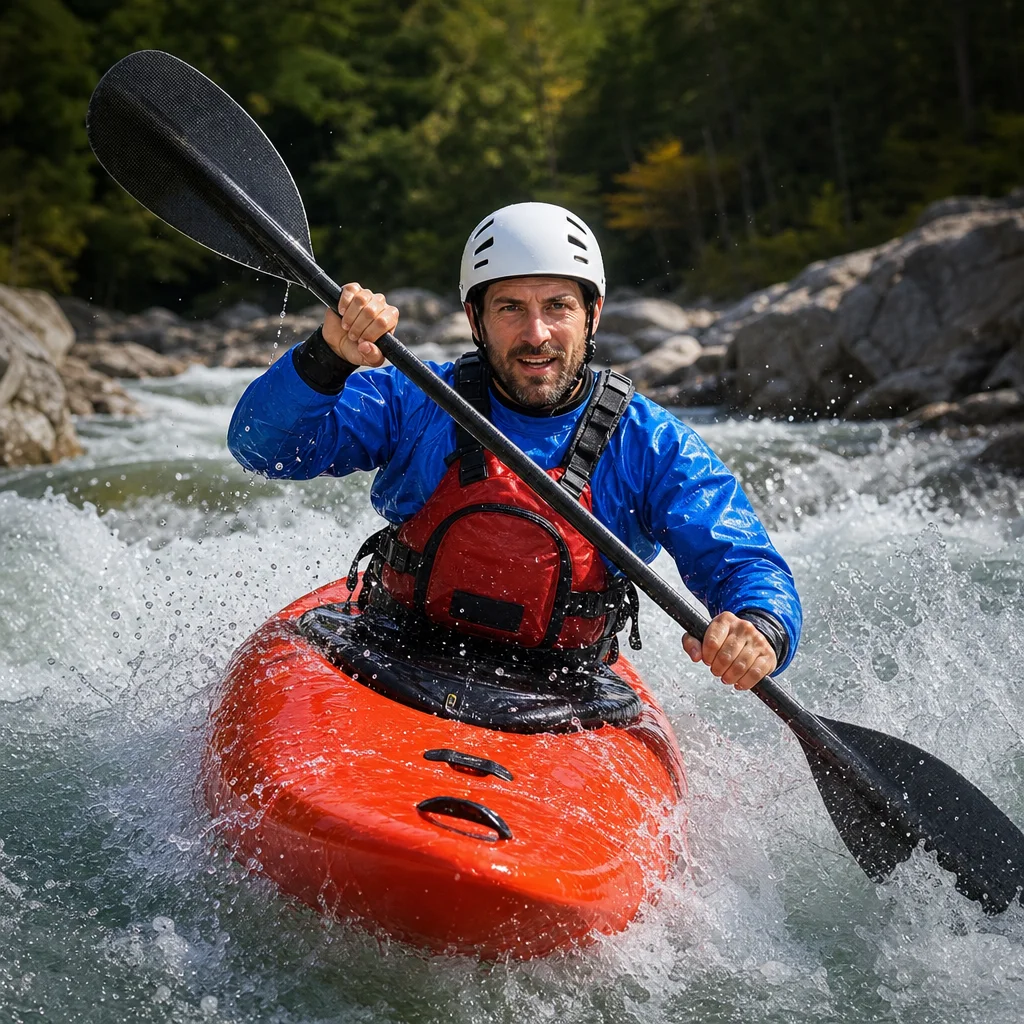
A tow line can help a tired paddler reach shore, clear a hazard, or stay with a group after a minor equipment problem. It can also create a fast-moving hazard if it is deployed carelessly, crosses a cockpit, or leaves the person towing unable to release it quickly.
For short assisted tows, the goal isn’t to drag another kayak through every condition. The goal is to establish a controlled connection, keep the line away from paddlers and equipment, communicate each change, and end the tow before the situation becomes harder to manage.
Choose a tow setup that can be released quickly
A purpose-built kayak tow system is generally easier to manage than a loose length of rope. Many systems include a belt or harness, a floating line, a storage bag, and a quick-release mechanism. The exact layout varies, so learn how your particular system works before you need it.
Look for these features:
- A line that floats and is easy to see.
- A storage bag that allows the line to pay out without knots.
- A connection point that won’t interfere with your paddle stroke.
- A release that you can operate under tension.
- Hardware that matches the line and the manufacturer’s instructions.
Avoid improvised arrangements that place a loop around your wrist, paddle shaft, torso, or kayak cockpit. Never rely on a knot that you can’t undo under load. A tow line should connect the kayaks, not trap a person in the system.
If you carry a knife as part of your rescue equipment, keep it accessible with either hand. A knife is a backup for an entanglement problem, not a substitute for a functioning quick release and good line management.
Confirm your release plan: Before using a tow system, check the manufacturer’s instructions and practice releasing it while wearing the clothing and gloves you normally use. Local rescue instruction may recommend different equipment or procedures for your waterway and conditions.
Attach the line before you need it
Inspect the system on shore. Open the bag, identify both ends of the line, and confirm that the line feeds out cleanly. Check clips, webbing, stitching, and the release handle. If the line is wet, salty, muddy, or packed tightly, rinse and dry it according to the manufacturer’s care instructions before storage.
The tow leader should connect to a strong, intended attachment point on the kayak being assisted. Depending on the kayak and tow design, that may be a bow or stern toggle, a deck line, or a dedicated towing point. Don’t clip to a loose deck fitting, paddle leash, hatch handle, or any part that isn’t designed to take a towing load.
The towing paddler normally wears the belt or harness so the load is carried through the body rather than held in one hand. Follow the system’s instructions for routing the line. A setup that looks tidy while standing on shore may behave differently when both boats are moving and turning.
Before connecting, tell the other paddler what you’re going to do. Confirm who will release the line, what word means “stop,” and whether the tow is intended to be short and direct. Both paddlers should know where the line will run and what to do if it goes slack.
Deploy without creating a loop
The most common deployment mistake is letting the line leave the bag in a heap beside or behind the kayak. A loose loop can catch a paddle blade, rudder, skeg, foot, or deck hardware. It may also drift into the path of another kayak.
Deploy in stages:
- Stabilize both kayaks and have the assisted paddler hold position.
- Keep the line bag and release handle clear of the water and paddle blades.
- Feed the line out in a controlled direction rather than throwing the bag.
- Confirm that the line is floating freely and isn't wrapped around either kayak.
- Clip or secure the line at the intended attachment point.
- Let the line become lightly tensioned before moving away.
If you’re towing from a belt or harness, stay aware of where the line runs behind you. Don’t sit on it, trap it under a spray skirt, or allow it to pass between your legs. The line should have a clear route from the towing system to the other kayak.
The assisted paddler should keep hands, feet, and paddle blades away from the line. They can usually maintain a stable position with gentle corrective strokes, but they shouldn't paddle hard against a taut line unless the towing paddler has requested it.
Set useful spacing between the kayaks
A tow line that is too short can bring the kayaks together in a turn or wave. A line that is excessively long creates more room for slack, snagging, and contact with other paddlers. The right spacing depends on the system, kayak design, wind, current, traffic, and the ability of both paddlers to maintain direction.
For a short tow in relatively calm, open water, use enough distance to keep the kayaks from colliding while avoiding a large hanging loop. The line should normally float behind the towing kayak with modest slack, not trail in several loose coils.
Spacing becomes more difficult when conditions change:
- In a crosswind: The assisted kayak may drift sideways and load the line at an angle.
- In current: The two kayaks may move at different speeds over the bottom, even when they appear aligned.
- In waves: Slack can disappear suddenly as the boats move apart, creating a sharp load.
- Near shore or rocks: A long line may catch on branches, posts, kelp, or other obstructions.
- In a group: Other kayaks may cross the line if the tow isn't announced clearly.
If the line repeatedly goes slack and snaps tight, reduce the tow speed, improve alignment, or stop and reassess. Repeated shock loading is difficult for the equipment and can destabilize either paddler.
Establish simple communication
A tow works better when the person being assisted isn’t guessing what will happen next. Use short, agreed signals before the line is tensioned. For example:
- “Ready?” means the connection and positions are set.
- “Go” means begin moving slowly.
- “Slow” means reduce speed or load.
- “Stop” means stop paddling and deal with the line or situation.
- “Release” means the quick-release procedure is about to occur.
Use hand signals when wind, distance, or spray makes speech unreliable. The towing paddler should check frequently for a clear response, especially after a turn or change in wave direction.
The assisted paddler should say immediately if the kayak is yawing, taking on water, losing a paddle, or becoming difficult to control. A tow line isn't a replacement for fixing a simple problem when that can be done safely. It may be better to stop, pump water, adjust a foot brace, secure loose gear, or make a controlled landing than to continue towing a worsening problem.
Tow smoothly and keep the route simple
Start with gentle forward movement. Sudden acceleration can pull the assisted kayak off line or cause the towing paddler to lose balance. Keep turns broad and predictable, and announce them before beginning. The assisted paddler can use small corrective strokes, but shouldn’t make large, abrupt turns that drive the line across the kayaks.
Watch the line rather than assuming it remains clear. A quick glance during straight travel can reveal whether it is floating properly, passing under a hull, or catching on equipment. Don’t turn sharply to look behind if doing so compromises your own stability; communicate and stop if you need a closer inspection.
Avoid towing through conditions that exceed the ability of either paddler to control the kayaks. A short tow may be reasonable in protected water but unsuitable in breaking waves, strong current, surf, narrow channels, heavy boat traffic, or near hazards. In those situations, a controlled landing or a trained group rescue may be safer than maintaining a moving tow.
Never assume the towing paddler can handle an unlimited load. A loaded sea kayak, flooded cockpit, incapacitated paddler, or kayak caught in current may require different rescue methods and more people. If the tow is no longer smooth and predictable, stop treating it as a simple assisted tow.
Release before the line becomes a problem
Release the tow when the assisted paddler can manage independently, when you reach a safe landing area, or when conditions make the connection harder to control. Don’t wait until the line is wrapped around a boat or pulled tight across a hazard.
A normal release should be deliberate:
- Announce that you’re stopping or releasing.
- Reduce forward motion and allow the line to lose tension.
- Keep paddles and hands away from the line.
- Operate the system’s release as designed.
- Confirm that the line and hardware are clear of both kayaks.
- Retrieve and stow the line only after it is out of the water and no longer a hazard.
If the line snags, don’t pull harder automatically. A loaded line can draw a kayak toward an obstruction, swamp a boat, or make a capsize more likely. Tell the other paddler to stop, maintain stability, and prepare for the release. If the quick release can't be operated or the kayaks are moving toward danger, use your practiced emergency procedure rather than improvising while under load.
After an unexpected release, account for both paddlers, paddles, and kayaks before reorganizing the tow. A disconnected kayak can drift quickly in wind or current.
Prevent tangles during storage
Most deployment tangles begin when the line is packed in a hurry. Rinse off sand and salt, inspect the entire length, and coil or stow it using the method specified for the system. The line should feed out from the bag without having to be pulled through a tight knot.
Keep the tow bag separate from loose carabiners, straps, paddle leashes, and other equipment that can catch the line. Check the release handle after every use so it remains visible and reachable. Replace worn webbing, damaged clips, compromised stitching, or a line that has developed permanent kinks.
Practice on calm water with a partner. Rehearse attaching, deploying, stopping, releasing, and repacking until both paddlers can describe their roles. Add mild wind or current only after the basic sequence is reliable.
A short pre-tow checklist
Before connecting a tow line, ask:
- Is this a short assisted tow that both paddlers can control?
- Is the water and route suitable for the least capable or most affected paddler?
- Are the attachment points and release system ready?
- Can the line deploy without passing around a person or paddle?
- Do both paddlers know the stop and release signals?
- Is there a clear landing or reassessment point?
If the answer to any of these is no, pause before deploying. Solve the equipment or communication problem first, or choose a different rescue plan. A tow line is most useful when it remains simple, visible, and easy to disconnect.