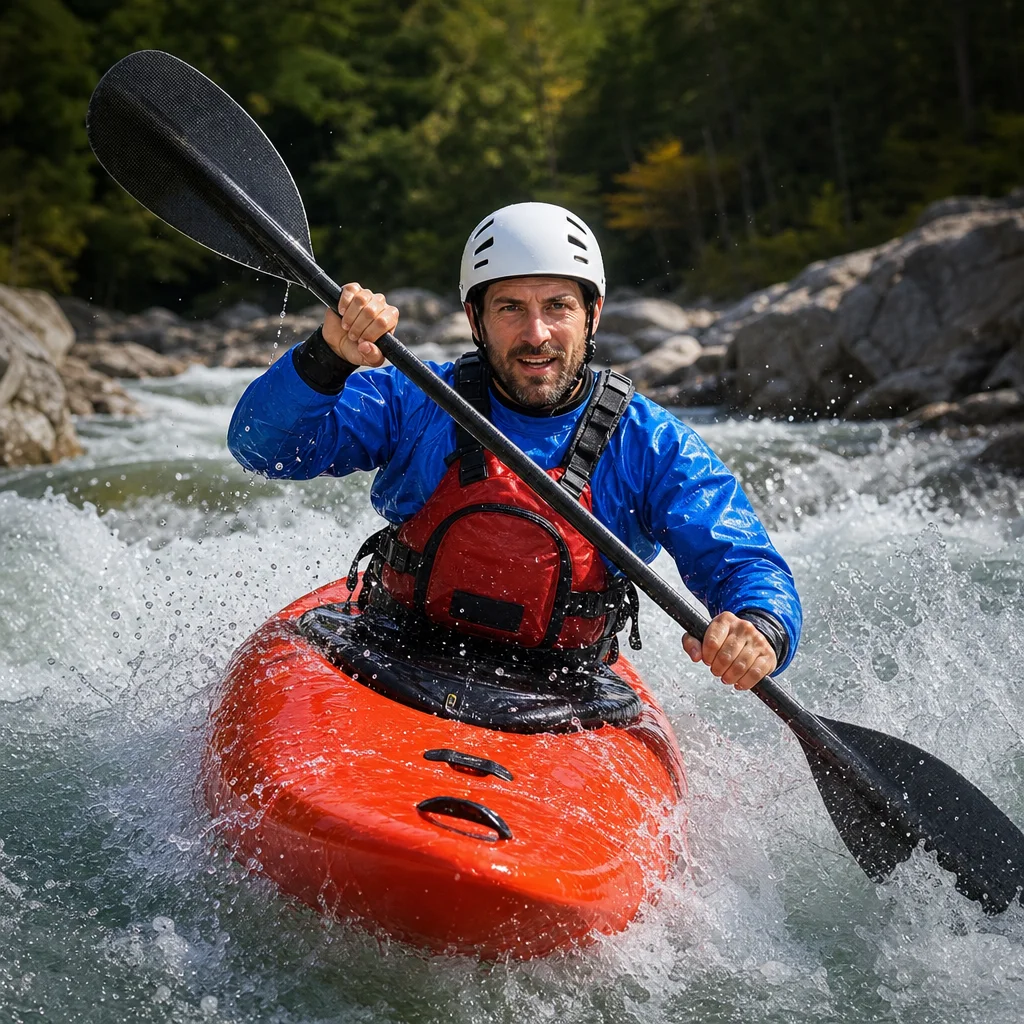
Fatigue can make a familiar shoreline seem farther away and a poor route feel acceptable. I’ll help you spot the physical and judgment changes that call for a break, a shorter route, or a conservative turnaround before the situation escalates.
Read article →
A low-tide shoreline can turn a familiar launch into soft mud, exposed rock, or a difficult return landing. I’ll show you how to assess changing access, tidal timing, and escape options before committing your kayak to the water.
Read article →
I’ll compare forecast timing, radar, cloud development, and on-site observations so you can decide whether to launch, delay, or cancel before a thunderstorm becomes an on-water problem.
Read article →
I’ll help you read a river from shore before launching, recognize current speed, eddies, strainers, bends, and crossing options, and build a safer plan when a calm-looking surface hides moving water or limited recovery choices.
Read article →
I’ll show you how to turn a lake wind forecast into a realistic paddling plan, so you don’t mistake a low average wind speed for calm conditions when gusts, direction, or open-water exposure tell a different story.
Read article →
I’ll show you how to turn a lake map into a practical trip plan, including where to launch, camp, land, or escape if conditions change. You’ll learn which map details deserve the most attention before paddling in unfamiliar water.
Read article →
I’ll compare the forecast details that matter most when wind direction shifts on a lake, including fetch, shelter, and timing, so you can choose a launch and return plan that fits the conditions rather than the first calm shoreline you see.
Read article →
I’ll help you assess a kayak launch site before you choose a route, from shoreline access and parking to wind, current, and landing options. You’ll learn how to spot common planning mistakes and match the launch to your skills and equipment.
Read article →
I’ll compare the coastline features that make a beach, cove, or other landing site useful—or deceptive—when wind and sea conditions deteriorate. You’ll learn how to rank options, account for access and hazards, and build a realistic landing plan before launching.
Read article →
Freezing weather can damage a kayak when water remains inside fittings, hoses, or storage spaces. I’ll show you what to drain, dry, protect, and check so you can choose sensible winter storage without adding unnecessary work.
Read article →