How to Carry Emergency Communication Gear on a Day Paddle
I’ll compare phones, VHF radios, satellite messengers, and signaling devices for a day paddle, then explain how to carry each so it stays protected, reachable, and useful when conditions change or help is needed.
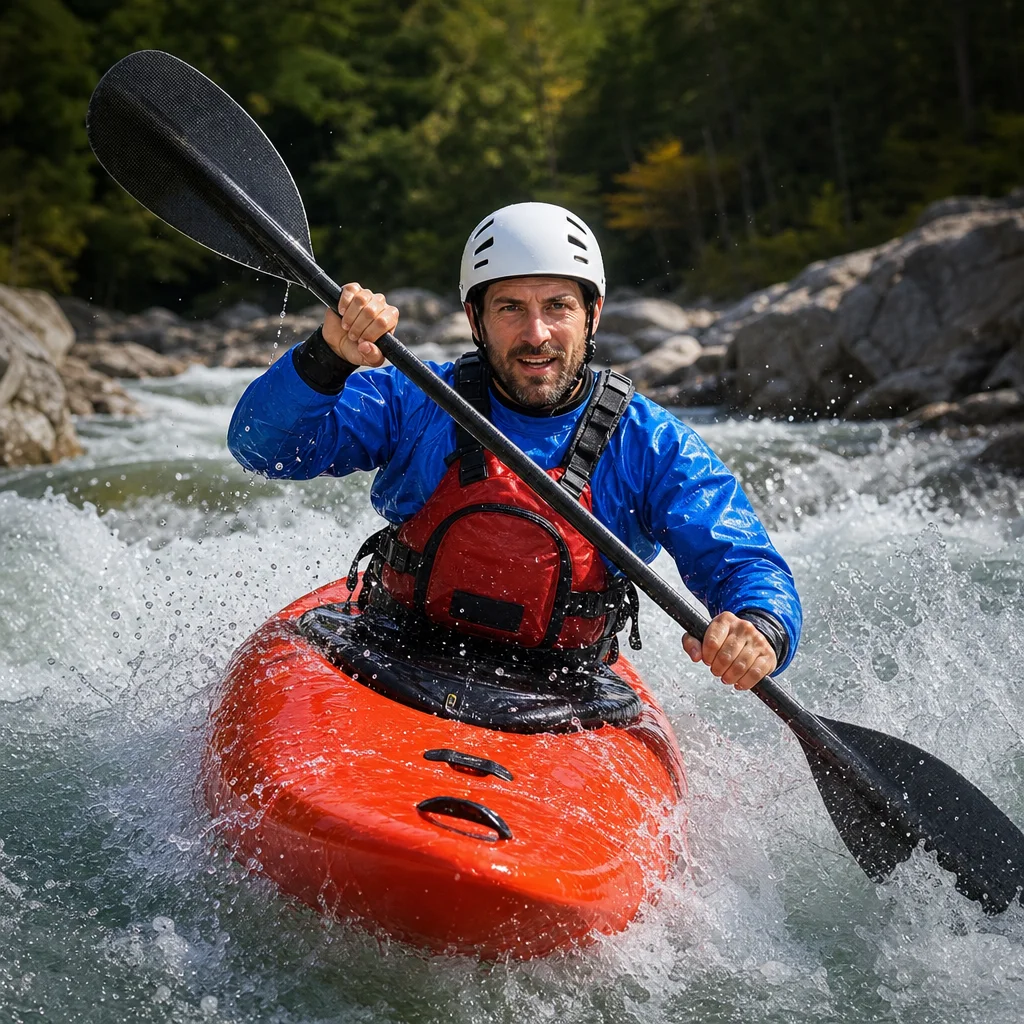
A day paddle can feel simple until you need to report a problem, check in with someone, or attract attention from shore. The best communication setup isn’t necessarily the most expensive one—it’s the one that matches your route, coverage, skills, and ability to reach it while seated in your kayak.
For solo and remote-area paddlers, think in layers: a primary way to communicate, a backup way to signal, and a storage system that keeps both available without creating a snag hazard.
Start with the communication problem you need to solve
Different devices handle different problems. Before buying anything, consider what you’re most likely to need:
- Routine contact: letting someone know you’re launching, delayed, or returning.
- Two-way emergency communication: explaining what happened and answering questions.
- A distress alert: sending an SOS when you can’t manage a detailed conversation.
- Nearby attention: signaling paddlers, boaters, or people on shore.
- Navigation and weather information: checking your position or receiving updates.
No single device does all of these jobs equally well. A phone may be excellent for a detailed conversation where cellular coverage is available, but it can be a poor choice when your route is outside that coverage or the battery is exposed to cold and water. A satellite messenger may reach beyond cellular networks, but it generally depends on a clear view of the sky, a charged battery, and your ability to operate the device correctly.
Compare the main options
Waterproof phone
A phone is often the most economical primary tool because you may already own one. It can provide voice calls, text messages, maps, weather information, and location sharing in one familiar device.
Its main limitation is network dependence. Coverage can disappear around remote shorelines, in valleys, behind terrain, or simply beyond the carrier’s service area. A phone also has a finite battery, and a wet touchscreen or gloves can make operation difficult.
If you carry a phone, treat it as communication equipment rather than just a camera:
- Charge it fully before launching.
- Enable emergency contact and location features you understand.
- Download maps or trip information if you may lose service.
- Keep it in a waterproof case that still allows reliable operation.
- Save important numbers before you leave.
- Carry a small power bank only if you can keep both the bank and its cable dry.
A phone is a sensible choice for local, covered waters and as one layer of a broader setup. It shouldn’t be your only emergency option on a remote route unless you’ve confirmed that it can meet your needs there.
Waterproof or floating VHF radio
A marine VHF radio is designed for communication with nearby vessels and maritime services. It can be useful on open water, busy waterways, and coastal routes where other boaters or a monitoring service may hear your call.
The value of a VHF depends on location, radio traffic, range, battery life, and your knowledge of proper radio procedure. It also may not be the best tool on a small inland lake where few other radio users are listening. A radio won’t replace a phone or satellite device for communicating with a family member who is nowhere near the water.
Choose a model you can operate without lengthy menu navigation. Learn how to lock or protect the controls, adjust volume and squelch, select the appropriate channel, and make a clear distress or assistance call. Practice before you need it.
Check your local radio rules: Requirements for VHF licensing, operator use, channel selection, and distress procedures can vary by country, waterway, and equipment type. Confirm current U.S. Coast Guard and local guidance for your route, and follow the instructions supplied with your radio.
A VHF is usually most useful when your emergency may involve nearby boat traffic or marine authorities. Its usefulness drops when you’re far from other radio users or behind terrain that blocks transmission.
Satellite messenger
A satellite messenger is designed for areas without dependable cellular service. Depending on the model and subscription, it may support preset check-ins, two-way text messaging, location tracking, and an emergency response function.
Its advantages are broad-area reach and the ability to communicate more information than a whistle or signal mirror. Its trade-offs include purchase cost, possible subscription fees, battery management, and dependence on satellite visibility. Messages may be delayed, and an SOS function doesn't guarantee immediate rescue.
Before relying on one, make sure you understand:
- Which satellite network the device uses.
- Whether two-way messaging is included.
- How emergency monitoring works.
- What information your emergency profile sends.
- How to cancel a false alarm.
- How long the battery is expected to last in your conditions.
- Whether the device requires an unobstructed view of the sky.
A messenger is often a cost-effective upgrade for solo paddlers who regularly travel beyond cell coverage but don’t need voice communication. Choose the plan and features that match your actual trip frequency rather than paying for functions you won’t use.
Personal locator beacon
A personal locator beacon, or PLB, is a dedicated distress device intended to send an emergency alert through a satellite-based rescue system. It generally offers less everyday messaging than a satellite messenger, but its purpose is straightforward: summon help when the situation is serious.
A PLB can make sense for remote solo paddling where a reliable distress signal matters more than routine texting. It may be a better fit than a messenger if you rarely need nonemergency communication and want a dedicated device with long-term readiness.
Read the registration, testing, battery, and activation instructions carefully. In the United States, registration and device requirements are regulated, and details can change. Keep the beacon accessible enough to activate while wearing your PFD, but protect it from accidental activation and impacts.
Signaling devices
Signaling devices are inexpensive, simple backups that can attract attention when electronic communication fails or isn’t necessary.
A whistle is the most practical minimum. Carry one attached to your PFD where you can reach it with either hand. Don’t bury it in a hatch or rely on a whistle built into a device you may not be able to locate quickly.
A signal mirror can help attract attention in bright conditions, but it requires line of sight, sunlight, and practice. A light can help after dark or in low visibility. Flares may be appropriate for some maritime settings, but they have storage, handling, expiration, and local-rule considerations. They aren’t automatically the best choice for every kayak trip.
Signaling tools are cheap and have low battery dependence, but they usually communicate only that you need attention—not what happened or where you are. Pair them with a device that can provide location or two-way information when your route warrants it.
Use a layered setup instead of one perfect device
For many day paddles, a sensible setup looks like this:
- Covered, familiar water: phone in a waterproof case, whistle on the PFD, and a trip plan shared with someone on shore.
- Intermittent cell coverage: phone plus whistle, with an external battery or a second communication option if the route is long or committing.
- No dependable cell coverage: satellite messenger or PLB, phone as a secondary tool, and whistle or another visible or audible signal.
- Busy coastal or large open water: consider a VHF radio alongside your phone, whistle, and route-specific backup.
You don’t need every device for every outing. Carrying four devices can add cost, weight, charging work, and confusion. The goal is useful redundancy: if one method fails because of coverage, water, battery, or distance, another method still has a realistic chance of working.
Store communication gear for access, not just waterproofing
The safest storage location is usually a compromise between protection and reachability. A device that is perfectly dry inside a sealed hatch may be unavailable if you capsize, become separated from your kayak, or need both hands for balance.
Keep the first-line tool on your body
Your whistle belongs on your PFD. For a phone, radio, messenger, or PLB, consider a secure PFD pocket or a small chest-mounted pouch designed for paddling. The device should remain attached without dangling loose, and its controls should be usable while seated.
Avoid long, loose cords around your neck, paddle shaft, foot controls, or deck lines. Use a short, purpose-designed tether where appropriate, and check that it won’t interfere with your ability to exit the kayak or swim clear. A tether isn't a substitute for a PFD or a secure storage system.
Keep the backup dry and separate
A second communication device shouldn't share the same failure point as the first. If your phone is in a PFD pouch, you might store a PLB or messenger in another protected location rather than putting every device in one bag.
For gear stored in a hatch, use a reliable waterproof container or dry bag and secure it so it doesn’t slide out of reach. Test the container before trusting it. Water resistance claims vary, closures can be left partly open, and repeated folding or abrasion can damage a dry bag.
Make access possible while seated
Practice reaching the device while wearing your PFD and holding your paddle. You should know whether you can open the case, read the screen, press the SOS cover, or make a call without standing or leaning dangerously.
If you need to remove the device from a case to use it, rehearse that process on shore. A case that is difficult to open with wet hands may be excellent for storage and poor for an emergency.
Prepare the devices before launch
A few minutes of preparation can prevent a communication tool from becoming dead weight:
- Charge every electronic device. Check the power bank too, if you carry one.
- Test the case and tether. Look for worn seams, damaged seals, and loose clips.
- Confirm the contact list. Include your emergency contact and any relevant local numbers.
- Share your float plan. Give someone your launch point, route, expected return, and instructions for what to do if you’re overdue.
- Check the forecast and coverage. Don’t assume yesterday’s service or conditions will apply to today’s route.
- Run a low-stakes test. Send a check-in or use the device’s test function only as the manufacturer and service provider recommend.
- Review the emergency steps. Know the difference between a routine message, an assistance request, and an SOS.
Confirm route-specific coverage and rescue options: Before leaving cell service, check the current forecast, marine notices, park or waterway restrictions, and the communication coverage expected along your route. Make sure your emergency contact knows when to act if you don’t check in.
Common carrying mistakes to avoid
Putting everything in the rear hatch
A rear hatch can be a good place for spare equipment, but it’s a poor location for your only communication device. If you capsize or need help before you can access the hatch, the storage plan has failed at the most important moment.
Relying on a waterproof case without testing it
Waterproof labels don’t tell you whether the case will float, whether the closure is secure, or whether you can operate the device through it. Test the case in controlled conditions and inspect it regularly.
Carrying a device without learning it
An unfamiliar messenger or radio can waste valuable time. Learn its emergency workflow, message limits, battery indicators, and cancellation procedure before the trip.
Treating a check-in as a rescue plan
A scheduled check-in is useful, but it doesn’t monitor every hazard or automatically describe your situation. You still need a route plan, appropriate equipment, and a decision to turn back when conditions exceed your skill or gear.
A practical choice for your next day paddle
Start with the route rather than the device. For a short trip near reliable cell coverage, a protected phone and PFD-mounted whistle may be enough. For solo travel beyond that coverage, add a satellite messenger or PLB. For coastal or high-traffic marine areas, a VHF radio may provide a valuable additional channel.
Whichever combination you choose, keep at least one signaling tool on your body, separate primary and backup devices, and practice accessing them while seated. Then charge the gear, test the storage, share your float plan, and verify the current rules and coverage for the water you’re actually paddling.