How to Paddle a Kayak With a Small Child as a Passenger
I’ll explain how to decide whether your kayak, child, route, and conditions are suitable, with practical guidance on seating, flotation, communication, and the warning signs that mean postponing the outing.
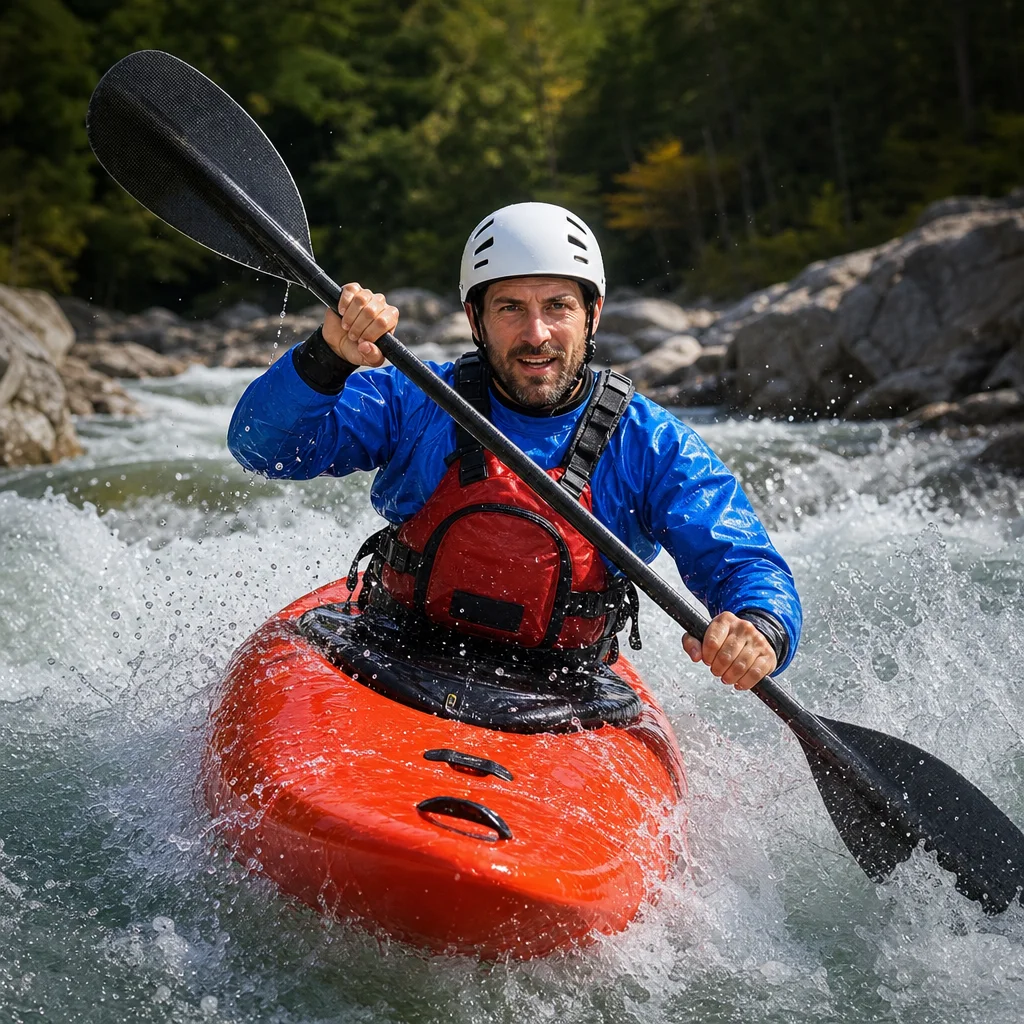
Taking a small child kayaking adds more than one passenger to the boat. You’re also managing a person who may not understand changing conditions, stay seated during a capsize, or communicate clearly when tired or frightened.
The safest approach is to treat the outing as a short, controlled introduction rather than a normal paddle with a smaller companion. Your kayak, the child’s flotation device, the route, and the weather all need to work together. If one part is questionable, postponing is usually the sensible decision.
Decide whether your child is ready
There isn’t one universal age at which every child becomes a suitable kayak passenger. Children differ in size, coordination, water comfort, communication, and ability to follow instructions. A child who can sit steadily, tolerate a properly fitted life jacket, and respond to simple directions may be ready for a carefully chosen outing. Another child of the same age may not be.
Before planning a trip, consider whether your child can:
- Sit upright without needing you to hold them in place
- Keep a life jacket on without repeatedly removing or loosening it
- Follow simple instructions such as “stay seated,” “hold the boat,” and “wait”
- Tell you when they’re cold, uncomfortable, scared, or need a break
- Remain reasonably calm if the kayak rocks or water splashes them
A young child who falls asleep easily, becomes distressed by noise or spray, or can't stay in a safe position may not be ready for a moving kayak. Don’t use age alone as a substitute for these practical checks.
Choose a kayak that can safely carry two people
A tandem kayak with a designated child position is generally easier to manage than trying to improvise space in a solo kayak. Check the manufacturer’s seating arrangement, maximum capacity, weight limit, and any restrictions on where a passenger may sit. The child should have a stable, intended seating area—not a storage hatch, the front of your footwell, or a position that interferes with your legs and exit.
A sit-on-top kayak can make supervision and reboarding simpler, but it still needs a suitable seating area and enough stability for the combined load. A sit-inside kayak may offer more protection from splashes, yet a small child inside the cockpit can complicate a wet exit or capsize recovery. Avoid placing a child in a position where their legs can become trapped under a deck, spray skirt, or fittings.
Never exceed the kayak’s stated capacity. The combined weight of both paddlers, clothing, food, water, safety equipment, and other gear matters. Overloading reduces freeboard and stability, leaving less margin for waves, wakes, or an awkward shift in the child’s position.
Verify the passenger position Before launch, read the kayak manufacturer’s current capacity and seating guidance, then check applicable U.S. Coast Guard and state or local requirements for children, personal flotation devices, and the waterway you plan to use. Requirements and equipment labels can vary by location and change over time.
Fit flotation before you reach the water
Your child should wear a properly fitted, U.S. Coast Guard-approved personal flotation device intended for the child’s weight range and use. Check the label, size range, condition, and fit. A loose PFD can ride up over the child’s face or come off during a capsize; a PFD that is too small may not provide the intended support.
Have the child wear the PFD during preparation, loading, launching, and landing—not just once the kayak is moving. Keep the straps adjusted according to the manufacturer’s instructions. If the jacket has a crotch strap, use it as designed. Don’t modify the PFD or rely on an ordinary swim vest as a replacement for approved flotation.
You should wear your own PFD as well. An adult who is struggling to stay afloat can't reliably help a child. A PFD also keeps your hands available for the paddle, boat control, and assisting your passenger.
Flotation doesn’t make an unsuitable trip safe. Some small children may not be able to keep their airway clear after a capsize, even while wearing a properly fitted PFD. Your plan should assume that you may need to hold the child and manage the kayak at the same time.
Set up the child’s seat for stability and supervision
Place the child where you can see and reach them without twisting away from the direction of travel. Keep the child’s center of weight low, but don’t wedge them into a cramped space or use loose cushions that can slide. Any seat insert should be designed for that kayak and secured so it can’t shift into the paddling area.
Keep the child’s hands away from:
- The paddle shaft and blades while you’re stroking
- Hinges, rudders, foot controls, and hatch covers
- Lines, straps, fishing hooks, and other entanglement hazards
- The water beside the kayak if another boat or wake is nearby
Explain the basic rules before launch: stay seated, keep hands inside unless you give permission, don’t lean over the side, and tell you immediately if something feels wrong. Use simple language and practice the rules on shore.
Don't tether a child to the kayak with a leash, cord, or improvised strap. A tether can create an entanglement hazard during a capsize or make it harder to separate the child from the boat. Secure loose equipment instead, and keep essential items accessible to you.
Start with a short, sheltered route
For a first outing, choose calm, shallow-looking water only if the location is appropriate for kayaking, free of dangerous obstructions, and within your rescue ability. A protected shoreline, quiet pond, or very sheltered section of a larger waterway is usually more manageable than open water. Avoid routes with strong current, boat traffic, surf, narrow channels, strainers, or long stretches where you can't easily land.
Keep the first trip short enough that the child is unlikely to become cold, hungry, bored, or overtired. A brief paddle close to an easy landing point teaches you more than an ambitious destination. Leave room in the plan for turning around early.
Don’t assume that a calm launch area means the whole route is calm. Wind can build across open water, current can increase near bridges or constrictions, and wakes can arrive from outside your immediate view. Check the forecast and water conditions for the specific launch and route, not just the general town or region.
Plan communication and capsize decisions
Agree on a few commands before you launch:
- “Stay seated” means freeze in the current position.
- “Lean toward me” or “lean away” should be used only when necessary and explained beforehand.
- “Hold the boat” means use the designated safe handhold, not the paddle or a loose line.
- “We’re going to shore” means the outing is ending, even if the child wants to continue.
Talk through what will happen if the kayak tips. Keep the explanation calm and age-appropriate: stay with the adult, keep the PFD on, and wait for instructions. Don’t promise that the kayak won’t capsize. Instead, choose a route where you can assist the child and reach shore without depending on an elaborate rescue.
Practice the basics separately when possible. Let the child wear the PFD near the water, sit in the kayak on land, and experience gentle rocking while you support the boat. A formal swim lesson or supervised water-safety practice can help, but swimming ability alone doesn’t prepare a child for cold water, clothing, waves, or entanglement.
Know when to postpone
Postpone the outing when any of these conditions apply:
- The child’s PFD doesn’t fit correctly or is damaged
- The kayak is overloaded or the child’s seating position is improvised
- You can't explain or manage a realistic capsize response
- Wind, waves, current, surf, wakes, or thunderstorms exceed your experience
- Water or air temperatures create a serious cold-stress concern
- The route has no practical landing points or reliable communication options
- You’re tired, distracted, ill, or the only adult available to manage more than you can safely handle
- The child is upset, unusually sleepy, cold, or unable to follow the agreed rules
Weather can deteriorate faster than a child’s patience. If the forecast is marginal, choose another day rather than trying to make the trip work after launching.
A sensible first-trip checklist
Before leaving shore, confirm that:
- The kayak is rated for two people and the combined load
- The child is in the intended passenger position
- Both of you are wearing properly fitted PFDs
- Loose gear is secured and the child’s hands have a safe place to rest
- The route is short, sheltered, and close to accessible landing points
- You’ve checked current weather, water conditions, and local requirements
- Someone on shore knows the route and your expected return time
- You can end the outing immediately if the child becomes uncomfortable
The goal isn’t to cover distance. It’s to give your child a controlled, positive introduction while preserving enough stability and attention to handle an unexpected problem. Start conservatively, stay close to an easy exit, and let the child’s behavior—not your original plan—decide how long you remain on the water.