Sit-Inside or Sit-on-Top Kayak: Which Is Easier for You?
I’ll clarify the practical differences between sit-inside and sit-on-top kayaks, so you can choose the easier design for your entry and exit needs, comfort, drainage, and typical paddling conditions.
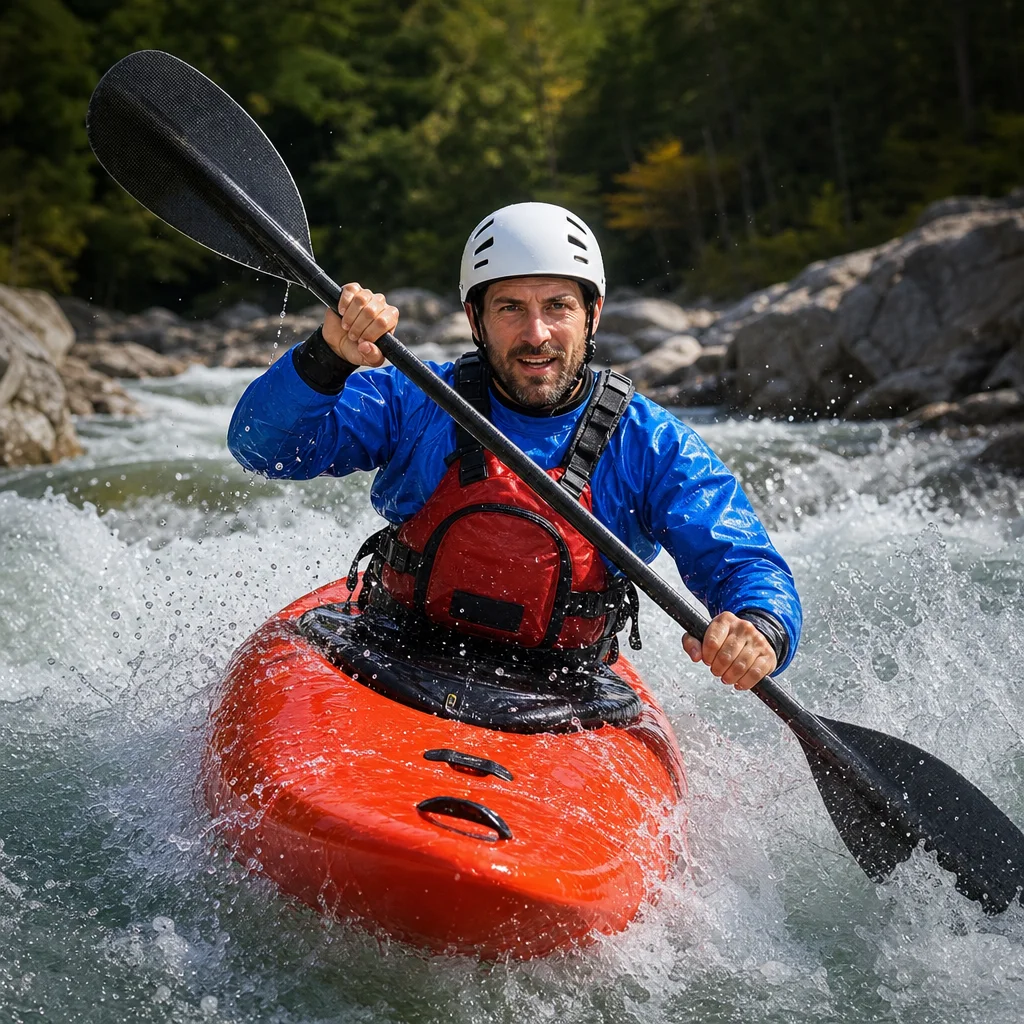
If you’re choosing your first kayak, the basic design can make a bigger difference than many features. A sit-inside kayak surrounds your lower body with a cockpit, while a sit-on-top kayak leaves you seated on an open, molded deck. Neither is automatically easier for every paddler.
The better choice depends on how you get in and out, how much warmth and dryness you want, where you’ll paddle, and how prepared you are to handle a capsize. For most beginners and casual paddlers, the decision becomes clearer when you compare those everyday trade-offs rather than focusing only on speed or appearance.
The basic difference
A sit-inside kayak has a cockpit opening that you sit inside. Your legs and lower body are below the deck, and you may use adjustable foot braces for support. Some models accept a spray skirt, which helps keep water out of the cockpit.
A sit-on-top kayak has a molded seat on top of a sealed hull. Your legs remain exposed, and water that splashes onto the deck usually drains through small openings called scupper holes.
Both designs come in stable recreational models. The important distinction isn't simply that one is “safe” and the other is “unstable.” Hull width, length, seat position, hull shape, load, and water conditions all affect how a kayak feels.
Entry and exit: which design feels easier?
For many beginners, a sit-on-top kayak is simpler to enter and leave. You can usually sit down on the deck from a low dock or shoreline, then swing your legs into position. Exiting is similarly straightforward: bring the kayak alongside a stable surface and stand or slide off carefully.
That open layout can be especially helpful if you have limited hip, knee, or ankle mobility. You aren’t lowering your legs into a confined cockpit, and there’s no deck to climb over when you want to get out.
A sit-inside kayak requires more deliberate entry. From a dock, you typically sit on the edge, place your legs into the cockpit, and lower yourself while keeping your weight centered. From shore, you may need to slide the kayak into shallow water before entering to avoid scraping the hull.
The cockpit isn't automatically difficult, but a small opening can feel restrictive. Look for a recreational sit-inside model with an opening large enough for comfortable entry and exit. Try the seat before buying if possible. You should be able to bend and lift your legs without feeling trapped.
A useful entry test
Before choosing a kayak, imagine doing the following:
- Lower yourself into the seat from a dock or low bank.
- Place both legs comfortably inside or on the deck.
- Adjust your feet without twisting sharply.
- Exit while keeping your weight over the kayak.
If that sequence already sounds awkward, a sit-on-top may be the easier starting point. If you value a more enclosed seating position and can enter comfortably, a sit-inside remains a practical option.
Warmth and protection from the elements
A sit-inside kayak generally gives you more protection from wind and splashing water. Your legs are below the deck, where they’re less exposed to spray and cold air. A spray skirt can provide additional protection, but it also adds another piece of equipment and requires practice using it calmly.
This makes a sit-inside attractive for cool-weather paddling, longer outings, and conditions where staying relatively dry matters. It doesn’t make you immune to cold water. A capsize can still put you fully in the water, and wet clothing can become a serious problem when conditions are cold.
A sit-on-top leaves more of your body exposed. Even when the air feels warm, repeated splashing can make you uncomfortable. In cooler conditions, you may need clothing that handles water and wind rather than ordinary cotton layers.
The open design can be pleasant in warm weather, particularly for short recreational trips. In cooler environments, however, you’ll need to account for the combined effects of air temperature, water temperature, wind, and wet clothing.
Check your local conditions: Before choosing clothing or planning a trip, check the forecast, water temperature, wind, launch conditions, and any local boating requirements. A warm afternoon doesn’t necessarily mean the water is warm enough for casual clothing after a capsize.
Drainage and dealing with water
Sit-on-top kayaks are designed to let water drain through scupper holes. A little water on the deck is normal. You can often keep paddling without stopping to empty the kayak, although the seat and your clothing may become wet.
You can add scupper plugs in some situations to reduce water coming through the holes, but plugs also reduce drainage. Whether they’re appropriate depends on the kayak, the amount of water on deck, and the conditions. Don’t treat them as a universal improvement.
A sit-inside kayak generally stays drier during normal paddling, but water that enters the cockpit can remain there. Splashing, rain, paddle drips, and an imperfect spray-skirt seal may all add water. You may need a sponge, hand pump, or other suitable method to remove it.
If a sit-inside kayak capsizes, it can also take on enough water to become difficult to handle. Emptying it may require a practiced self-rescue, assistance from another paddler, or returning to shallow water. That recovery process is one of the main practical differences between the designs.
Stability and the fear of tipping
Many beginners assume that a sit-on-top is always more stable. Often, recreational sit-on-top kayaks feel reassuring because they’re wide and open, but stability is determined by the whole kayak design rather than the seating label alone.
A wide, broad recreational kayak may feel steady at rest. A narrower touring-style sit-inside may feel more responsive and less steady to a new paddler. A wider sit-inside recreational kayak can also feel very stable.
There are two useful types of stability to consider:
- Initial stability: How steady the kayak feels when you’re sitting still or making small movements.
- Secondary stability: How the kayak behaves as it leans farther to one side.
A kayak that feels steady at the dock may still become difficult to control in waves. Likewise, a kayak that feels slightly lively at first may respond predictably once you learn to keep your weight centered and use your paddle for balance.
For casual paddling, prioritize a model that feels stable enough for your intended water and comfortable enough that you won’t make stiff, nervous movements. Don’t judge stability only by sitting in the kayak for a few seconds on land or in calm water.
Capsize and rescue considerations
A sit-on-top is usually more forgiving after a capsize because you can move away from the kayak and climb back onto the deck. Water doesn’t fill an enclosed cockpit in the same way, and the open seating area avoids the feeling of being underneath the boat.
You still need to practice. Climbing onto a sit-on-top takes effort, particularly if the kayak is wide or you’re tired. Once aboard, you may need to empty water from the seating area and reposition your paddle and gear.
A sit-inside kayak can be efficient and comfortable, but a capsize requires more specific skills. You need to know how to exit the cockpit, hold onto the kayak and paddle, and get the boat upright or receive assistance. A spray skirt adds protection, but you must know how to release it and exit calmly.
For a beginner, the easiest design is often the one whose capsize procedure you’ve practiced. Take an introductory lesson in a controlled setting if you choose a sit-inside kayak, and practice reentry with an instructor or experienced paddler when possible.
Gear, storage, and everyday use
Sit-on-top kayaks are often convenient for activities that involve frequent entry and exit, swimming, fishing, or carrying a dog. Their open decks can make it easier to bring bulky items, though exposed gear needs to be secured against loss.
Sit-inside kayaks generally provide more protected storage, especially when fitted with sealed compartments. Their lower seating position can also make them feel more enclosed and efficient on longer trips. On the other hand, cockpit space may limit how easily you can move around, and loading bulky items can be less convenient.
Neither design eliminates the need to secure equipment. A paddle, phone, water bottle, and other essentials should be attached or stored so they remain available after a capsize without creating loose hazards around you.
Which kayak is easier for your situation?
Choose a sit-on-top if you mainly want:
- Simple entry and exit
- An open, less confined seating position
- Easy recovery after a capsize
- Warm-weather paddling and short recreational outings
- A platform for swimming, fishing, or bringing a dog
- A kayak that can tolerate some water on the deck
Choose a sit-inside if you mainly want:
- Better protection from wind and splashing
- A drier, more enclosed seating position
- Protected storage for longer outings
- A lower seating position and greater connection with the kayak
- The option to use a spray skirt after learning the required skills
- A design suited to cooler conditions when properly equipped
These are tendencies, not guarantees. A poorly fitted sit-on-top can be uncomfortable, and an oversized or narrow sit-inside can be a poor beginner choice.
A simple decision checklist
Before buying, answer these questions:
- Can you enter and exit the kayak comfortably without excessive twisting or strain?
- Will you mostly paddle in warm, calm water, or do you need more protection from wind and spray?
- Are you willing to practice a sit-inside capsize and rescue procedure?
- Do you want to swim, fish, or bring a dog from the kayak?
- Can the seat, foot support, and cockpit or deck position be adjusted to fit you?
- Is the kayak’s size and weight manageable for transport and storage?
- Does the design match the conditions where you’ll actually paddle?
If convenience, openness, and easy recovery matter most, start by looking at recreational sit-on-top models. If warmth, protected storage, and an enclosed paddling position matter more—and you’re prepared to learn the related rescue skills—a recreational sit-inside may suit you better.
The best next step is to try both designs on the water, not just in a showroom. Pay attention to entry, exit, leg comfort, stability, and how easily you can reach your paddle and essential gear. A kayak that fits your body and your normal outings will usually feel easier than one chosen by design label alone.