How to Eat on the Water Without Losing Your Paddle or Balance
When wind, waves, or a narrow cockpit make lunch awkward, I explain how to choose manageable foods, secure your paddle, and decide when a quick landing is the safer, more comfortable option.
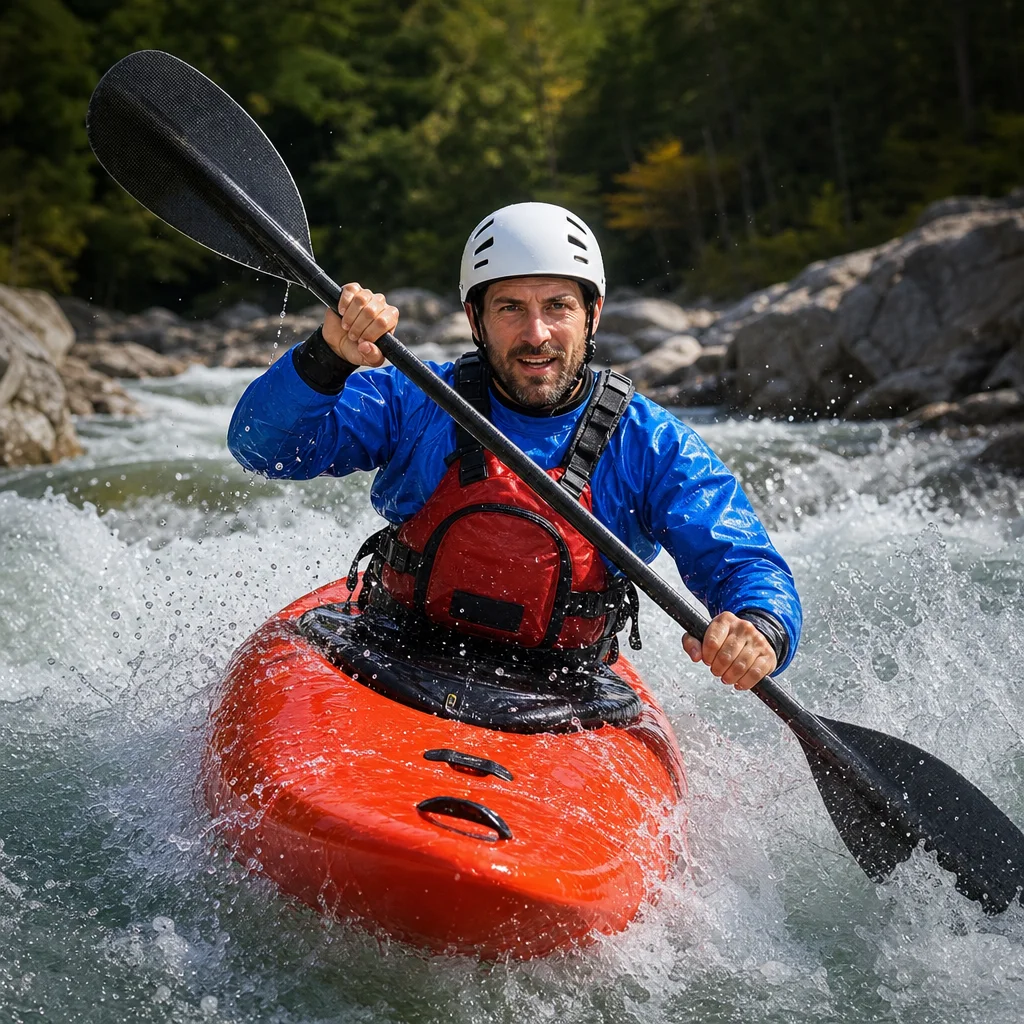
Eating from a kayak is less about having the perfect snack and more about managing a small, moving workspace. A food wrapper can blow away, a drink can roll under your legs, and reaching too far can shift your weight when you least expect it.
The safest approach depends on your kayak, the conditions, and how much effort the meal requires. A stable recreational kayak may allow a quick snack from the cockpit, while a loaded touring kayak on open water may call for a deliberate stop or landing. Think of eating as another paddling task: prepare it, keep your balance centered, and avoid creating a problem that requires both hands at once.
Decide Whether to Eat From the Kayak or Land
Before opening anything, assess what the water and shoreline are doing. If you’re dealing with wind, boat wakes, current, cold water, limited visibility, or a crowded launch area, landing is usually the better trade-off. A few extra minutes on shore is preferable to dropping food, losing your paddle, or capsizing while distracted.
Eating from the kayak can work well when:
- The water is calm and you’re away from boat traffic.
- You can keep your torso upright without leaning far to either side.
- Your food and drink are within easy reach.
- You can secure the paddle before using both hands.
- You’re comfortable getting back to paddling without rushing.
Landing takes more time, but it gives you a stable surface and room to handle a larger meal. It’s also easier to clean up, stretch your legs, refill water, or deal with a spill. On a long day, a planned shore break may improve comfort more than trying to save a few minutes in the cockpit.
Check the stop before you snack: Before landing, confirm that the shoreline is suitable for access, that you won’t block a launch or trespass, and that local rules or protected-area restrictions allow stopping there. Conditions and access can vary by location and change during the season.
Choose Food You Can Handle With One Hand
The best on-water foods are compact, predictable, and easy to eat in small bites. You should be able to open the package, take a bite, and put it away without a knife, fork, or complicated wrapper.
Useful choices include:
- Cut fruit or firm vegetables in a small sealed container.
- Sandwich halves or wraps cut into manageable portions.
- Granola bars or other soft, low-crumb snack bars.
- Trail mix in a wide-mouth container.
- Crackers or pretzels packed in a resealable bag.
- Cheese, jerky, or other foods that tolerate a few hours without refrigeration when appropriate.
- Soft pouches that can be opened and closed without spilling.
Avoid foods that create a mess or demand too much attention. Loose chips, powdered snacks, foods with runny sauces, and items requiring utensils are awkward in a cockpit. Sticky food can coat your hands and make your paddle shaft slippery. Very salty or dry foods may also make you reach for water more often, which adds another handling task.
Portion food before launching. Small servings are easier to manage than one large container, and you can return an unfinished portion to a dry bag without leaving it open. If you pack a sandwich, use a wrapper or container that can be opened gradually rather than one that must be completely unfolded across your lap.
Secure the Paddle Before Using Both Hands
Your paddle is easy to underestimate because it may seem safe when it’s lying across the cockpit. A wake, a tug on a snack bag, or a small shift in your legs can send it into the water.
If your kayak has paddle parks or shaft clips, use them. Place the paddle where it won’t interfere with your legs, spray skirt, or access to your supplies. If the paddle rests across the cockpit, keep the blades clear of the water and make sure it isn’t balanced on a point where it can slide.
Some paddlers use a short paddle leash, but this requires judgment. A leash can help keep the paddle nearby, yet any line in or around the cockpit can create an entanglement hazard. Follow the leash manufacturer’s instructions, keep the line managed, and don’t add a tethering system you can’t release or handle confidently. Your paddle should never be secured in a way that prevents you from using it quickly when conditions change.
A simple routine is:
- Stop paddling in a calm, clear area.
- Point the kayak into the most manageable direction for the conditions.
- Keep your lower body centered and your knees positioned as they were while paddling.
- Secure or stabilize the paddle.
- Take out only the food you’re about to eat.
- Put the food away before retrieving the paddle.
If you need both hands for a container, don’t leave the paddle loose just because the water looks calm. Stability can change quickly near passing boats, wind-exposed points, or current lines.
Keep Supplies Low, Close, and Organized
Where you place food matters as much as what you pack. Heavy items should stay low and centered, while frequently used snacks should be accessible without twisting or reaching behind you.
A small cockpit bag, deck bag, or soft container can keep food from rolling around. Choose a setup that doesn’t block your legs, foot controls, bilge pump, spray-skirt grab loop, or other essential equipment. If you store food behind the seat, you may need to rotate your torso to reach it. That movement is less stable than picking up something positioned beside your thigh or in front of your feet.
Use containers with secure closures, but avoid overpacking the immediate cockpit area. A crowded cockpit makes it harder to find a dropped item and can interfere with a wet exit. Keep wrappers and empty containers in the same dedicated bag so they don’t blow away or collect water.
For drinks, a bottle that fits a holder or closes securely is easier to manage than an open cup. Test the placement on land first. You should be able to reach the bottle without leaning sideways or pulling your shoulders far behind you.
Match Your Eating Method to Your Kayak
Different kayaks offer different levels of access and stability. A wide recreational kayak may feel forgiving during a quick snack, but that doesn’t make it immune to an abrupt weight shift. A narrow touring kayak may track efficiently and carry supplies well, yet offer less room for casual movement.
Sit-on-top kayaks often make it easier to retrieve supplies and recover from a spill, but food can be exposed to spray and waves. Sit-inside kayaks may protect food better, while the enclosed cockpit makes dropped items and awkward packaging more troublesome. Inflatable kayaks can have useful open space, but you still need to keep weight distributed according to the manufacturer’s guidance.
The right method is the one that lets you stay centered and keep essential equipment available. If a meal requires you to twist, brace against the sides, or move a dry bag across your lap, it’s probably a shore-break meal rather than a cockpit snack.
Plan Hydration Separately From Food
Drinking is usually easier than eating, but it still deserves a reliable system. Keep water within reach and use a bottle or hydration system that you can operate without looking away from your surroundings for long. Take smaller, regular drinks instead of waiting until you’re very thirsty and then trying to manage a large bottle while tired.
Your water supply should remain available after eating. Don’t bury it under lunch or place it in a container that requires unpacking several layers. On hot, humid, or strenuous trips, hydration needs can be significant, but the right amount depends on factors such as weather, exertion, trip length, and your own health. Pack enough for the planned route plus a sensible reserve, and know where reliable resupply is available if the trip allows it.
Deal With Spills and Dropped Food Calmly
A small spill doesn’t need to become an emergency. Keep your torso upright, stop reaching, and let the kayak settle before trying to recover anything. If the item is floating away, decide whether it’s worth the risk. Food and gear can be replaced; an unstable reach can lead to a capsize.
If water enters the cockpit, return your paddle to a usable position before attempting cleanup. In a sit-inside kayak, a sponge or bilge pump should remain accessible. Don’t let a desire to save a snack interfere with your ability to control the kayak.
Dropped wrappers and food should be collected when doing so is safe. Pack out everything you bring, including small pieces of packaging. If a food item falls into the water and you can’t recover it without putting yourself at risk, leave it and report or address the situation according to local environmental guidance when appropriate.
A Simple On-Water Eating Routine
For a short day trip, use this sequence:
- Pack food in small, resealable portions.
- Put the most frequently used snack where you can reach it without twisting.
- Stop in a calm area away from traffic and hazards.
- Check that your paddle and any loose gear are secure.
- Eat a few bites, then close the container.
- Take a drink and look around before resuming paddling.
- Store the food and wrappers before putting full attention back on the route.
For a longer touring day, consider eating a small amount before you feel depleted. Fatigue can make balance, judgment, and coordination worse, which makes an improvised meal more difficult. Plan short food stops before exposed crossings, rougher sections, or areas where landing may not be possible.
The goal isn’t to make every snack break effortless. It’s to keep the task simple enough that you can remain balanced, retain control of your paddle, and respond if the water changes.
Practical Next Steps
Before your next outing, test your food system on dry land. Sit in the kayak, secure the paddle, reach for each item, open the containers, and put everything away. Remove anything that requires a long reach or leaves you with slippery hands.
Then choose a default rule for your trips: simple snacks may be eaten from the cockpit in calm conditions, while full meals, messy foods, and uncertain conditions call for a shore break. That trade-off saves time when the decision matters, and it keeps lunch from becoming the most unstable part of your day on the water.