How Much Water Should You Carry for a Kayak Day Trip
I’ll help you build a realistic kayak-day hydration plan by weighing paddling time, heat, exertion, shoreline access, and backup options instead of relying on one fixed water number.
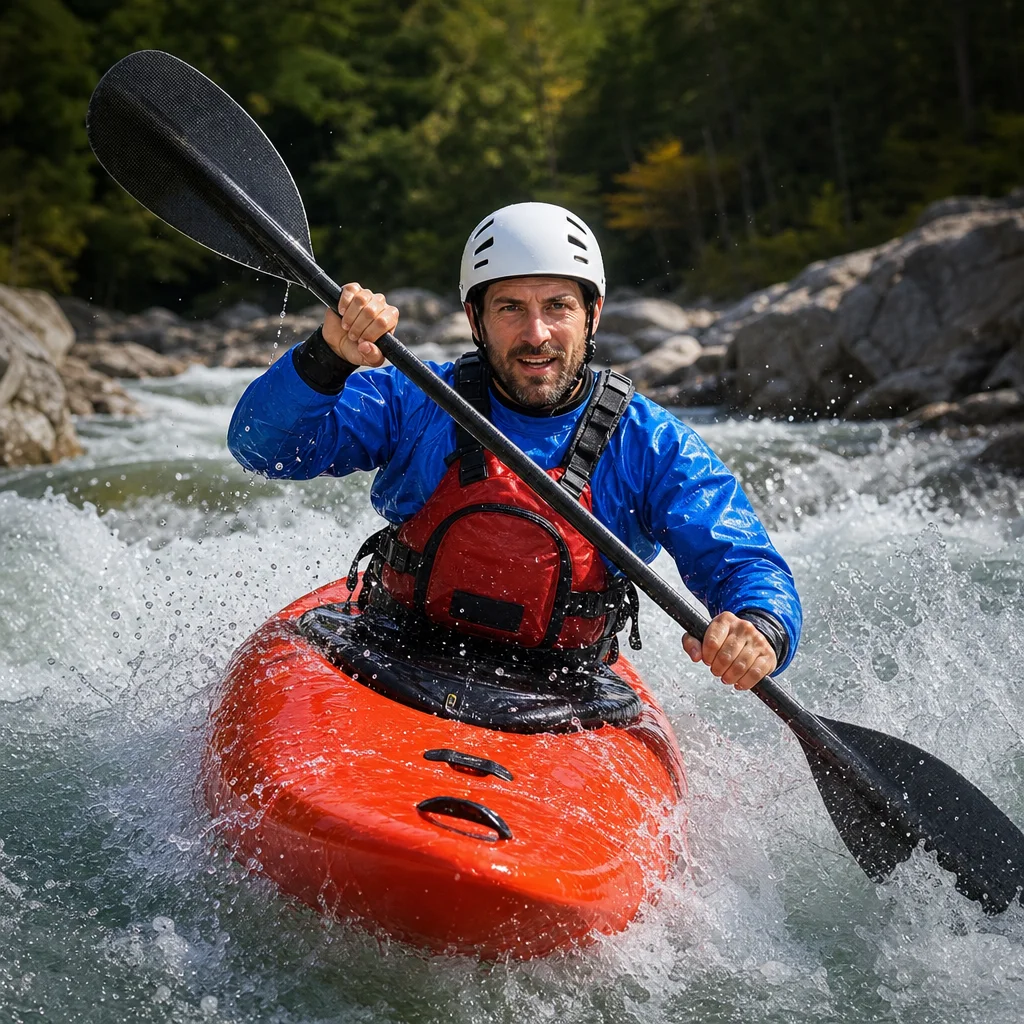
A short paddle close to shore may need far less water than a full-day trip across a large lake, yet many paddlers plan both outings the same way. The result is usually either an overloaded kayak or an underprepared one when the weather changes, the route takes longer, or the nearest launch is farther away than expected.
A better plan starts with your expected time on the water, then adds water for conditions, exertion, delays, and recovery. You want enough to drink comfortably and handle a reasonable problem without turning your kayak into a floating supply closet.
Check the day’s conditions and access
Before launching, review the current forecast, heat or air-quality advisories, waterway restrictions, and the status of planned launches or refill points. Confirm that any shore access you’re counting on is legal, open, and actually reachable from your route. Conditions and access can change, so treat online maps and old trip reports as planning aids rather than guarantees.
Start with time, not distance
Distance is a poor first measure for hydration. Wind, current, boat traffic, photography stops, landing breaks, and route-finding can make a five-mile trip take much longer than expected. Plan from the time you’ll be paddling and the total time you could realistically spend outside.
For a moderate day trip, a useful starting estimate is roughly 16 to 24 fluid ounces (0.5 to 0.7 liters) per person per hour. That isn’t a universal prescription. It’s a planning range to adjust for your body, pace, temperature, clothing, and experience.
For example:
- A two-hour outing might call for about 1 to 1.5 liters per person.
- A four-hour outing might call for about 2 to 3 liters per person.
- A six-hour outing may require 3 to 4.5 liters, especially in warm or exposed conditions.
These totals should include your expected time getting to and from the launch if you’ll be away from reliable drinking water for the entire period. If you’re paddling gently on a cool, shaded river, you may drink toward the lower end. If you’re working into wind on open water, the higher end becomes more realistic.
Avoid treating the estimate as a target you must force down. Drink regularly according to thirst and conditions rather than waiting until you feel depleted, but don’t pressure yourself to consume large amounts quickly. Your needs can differ substantially from another paddler’s.
Adjust the number for real trip conditions
The starting range is only useful after you account for the features that increase demand or reduce your options.
Heat and sun exposure
Hot air, direct sun, and warm water can all make a trip feel harder. A kayak can expose you to reflected sunlight while offering little shade, even when the breeze feels comfortable. Increase your supply when the forecast is hot, the route has few shaded landing spots, or you’ll be wearing protective clothing that limits cooling.
Sweat can evaporate quickly on moving water, so don’t use a dry shirt as proof that you haven’t lost much fluid. A hat, sun-protective clothing, sunscreen, and planned shade breaks can reduce the workload on your hydration plan.
Wind, current, and pace
Paddling against wind or current can turn a relaxed trip into sustained exercise. This is one reason a route that looks easy on a map may require more water than its mileage suggests. Consider the hardest section, not just the average pace.
If the forecast includes strengthening wind, build in extra time and water. It’s better to finish with some unused water than to discover that your return leg is the most demanding part of the day.
Distance from shore and refill options
A refill point only helps if you can reach it safely. On some waterways, shorelines may be private, muddy, steep, heavily vegetated, or separated from roads. A map may show land without showing a practical place to pull out.
For a route with dependable, accessible potable water, you can carry less at the start if you know exactly where and when you’ll refill. For an open-water crossing or remote shoreline, plan to carry the full amount from the launch. Don’t count on finding a clean stream, public faucet, or store along the way.
Your group and your own needs
Carry water for each person rather than assuming one shared reservoir will be enough. Children, larger paddlers, people unused to heat, and anyone with a medical condition affecting fluid balance may need a more individualized plan.
If you take medication or have been told to restrict fluids or sodium, follow your clinician’s advice instead of applying a general kayaking formula. A sports drink or electrolyte product can’t solve every medical or hydration problem.
Add a reserve for delays and recovery
A day trip rarely follows the timetable on your float plan. You may stop to help another paddler, wait out boat traffic, repair gear, search for a misplaced item, or take a slower route around rough water. Carry a reserve that is separate from what you expect to drink during normal paddling.
For many straightforward day trips, adding at least 0.5 to 1 liter per person is a sensible starting point. Increase that reserve when you’re far from shore, traveling in hot weather, paddling alone, or operating on a route with limited exit points. If your main plan provides only the minimum for the scheduled trip, a small delay can consume your safety margin quickly.
Keep the reserve in a separate, clearly identified bottle or soft flask. This makes it less tempting to use casually at the launch and helps you know what remains if the day goes wrong.
Water is heavy: one liter weighs about 2.2 pounds, before counting the container. That weight is worth carrying when access is limited, but it also makes efficient packing important. Distribute containers so the kayak remains balanced, and secure them so they don’t become loose hazards after a capsize.
Choose containers that work after a capsize
A hydration bladder can make frequent sipping easy, but it shouldn’t be your only supply. Bladders can leak, disconnect, or become difficult to retrieve from a wet kayak. Combine a bladder with one or more hard-sided bottles or soft flasks.
A practical setup might include:
- One bottle or reservoir for water you’ll drink during the first part of the trip
- A second container for the remaining planned supply
- A separate reserve that stays closed unless needed
- A small electrolyte drink or mix if you use one and tolerate it well
Store everything where you can reach it without leaving the kayak or opening a large dry bag in rough conditions. Secure bottles with retainers or place them inside a closed deck bag or cockpit-accessible compartment. Don’t bury all your water in a hatch that is difficult to open from the water.
Never rely on an untested filter or purification method as your only supply for a short day trip. If you plan to refill from natural water, confirm that your treatment system is appropriate for the likely contaminants, carry enough fuel or capacity to use it, and remember that some pollutants and harmful algal toxins aren’t removed by ordinary filters.
Plan for the common hydration problems
You’re drinking more than expected
If the temperature rises or the wind increases, slow your pace, use shade when available, and reassess the route. Turn around early if doing so preserves a comfortable water margin. A refill is only useful if you can reach it without taking a greater navigation or weather risk.
Sip steadily rather than emptying a bottle all at once. If you’re sweating heavily, a balanced snack and an electrolyte drink may be useful, but electrolytes don’t replace water and aren’t a reason to ignore thirst or other symptoms.
Your water supply is running low
Treat a low supply as a prompt to shorten the trip, not as a challenge to finish the original route. Head toward the nearest reliable exit while you still have enough energy and water to manage the return. Tell your group what’s happening so nobody quietly consumes their remaining water without realizing the shared margin is shrinking.
Don’t drink untreated lake, river, or ocean water. Salt water worsens dehydration, and freshwater can contain organisms or chemicals that cause illness even when it looks clean. If you’re stranded, prioritize signaling, shade, and a safe exit while contacting emergency services when appropriate.
You feel unwell
Headache, unusual fatigue, dizziness, nausea, confusion, weakness, or loss of coordination can indicate a heat-related or other medical problem. Get off the water as soon as you can do so safely, cool down, and seek medical help for severe, worsening, or confusing symptoms. Confusion, fainting, seizures, or inability to drink are emergencies.
Don’t make an impaired paddler continue simply because the launch is nearby. Wind and current can make the final stretch harder than expected, and a person who is already struggling may deteriorate quickly.
A simple planning checklist
Before a kayak day trip, write down:
- How many hours you’ll be away from dependable drinking water.
- Whether heat, sun, wind, current, or exertion pushes you toward the upper end of your estimate.
- Where you can safely land or refill, and whether those locations are currently accessible.
- How much reserve water you’ll carry for delays or an unplanned exit.
- How the water will be divided and secured so it remains available after a capsize.
- What will make you turn around early, such as rising wind or a shrinking reserve.
For a short, cool, sheltered outing, a couple of liters may be adequate for one paddler. For a long or exposed trip, carrying several liters per person is more realistic. The right answer is the amount that covers your planned time, likely conditions, and a reasonable problem—not a number copied from someone else’s checklist.
Pack the reserve first, place your drinking water where you can reach it, and make the turnaround decision before you’re thirsty and tired. That small amount of planning makes hydration easier to manage and gives you more options when the day doesn’t go exactly as expected.