Kayaking With Kids: How to Make the First Outing Manageable
I’ll help you reduce a child’s first kayaking trip to the essentials: a stable boat, properly fitted flotation, comfortable clothing, simple snacks, close supervision, and an easy way off the water when attention or conditions change.
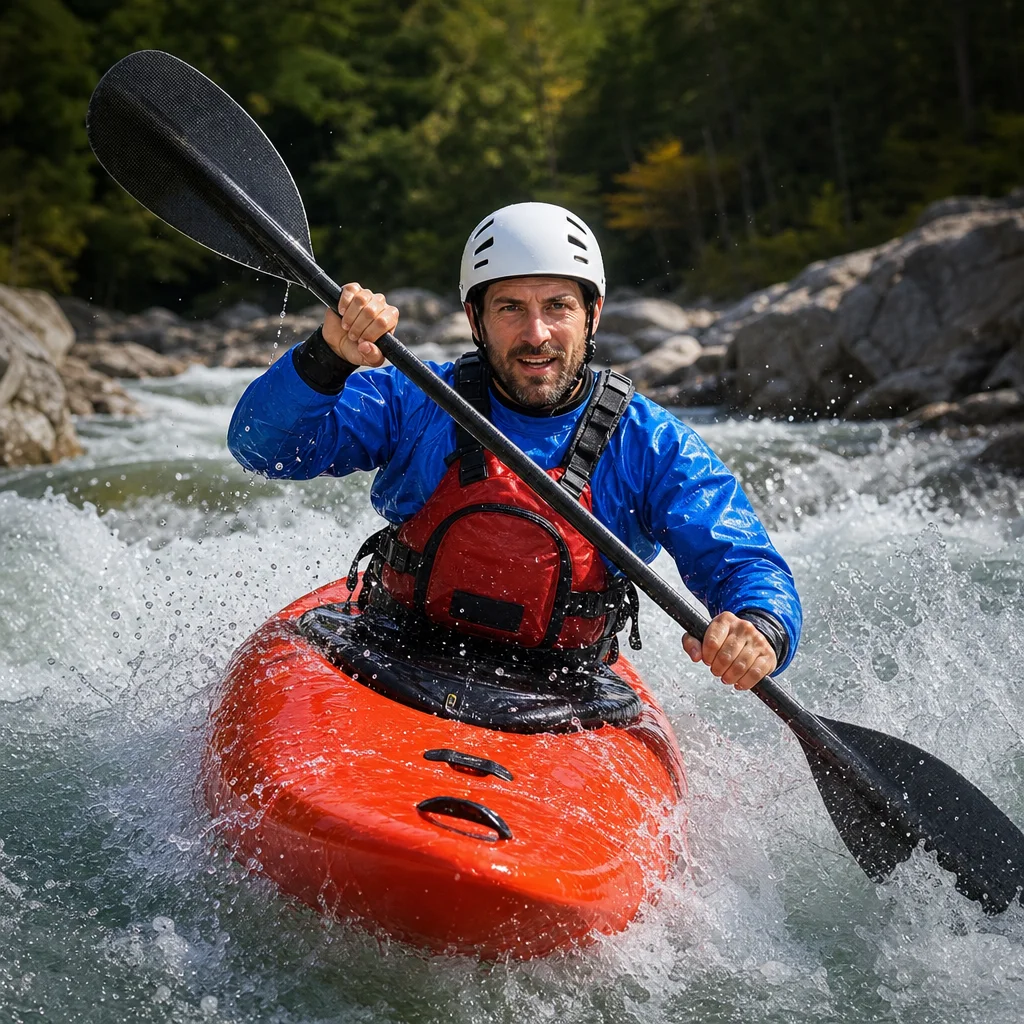
A first kayaking outing can become difficult quickly when the boat is crowded with gear, the route is too ambitious, or a child gets cold and bored before you reach shore. The goal isn’t to create a full-day adventure. It’s to make the first short trip feel predictable, comfortable, and easy to end.
Start with a stable setup, choose protected water, and bring only what supports safety and comfort. A successful first outing may last less than an hour and still give your child a positive introduction.
Choose the simplest boat arrangement
For most beginners, a stable tandem kayak with an experienced adult is easier to manage than giving a child a separate boat. You can control the direction and pace while the child gets used to the movement of the kayak.
A few details matter:
- Use the seating positions intended by the manufacturer. Don’t improvise by placing a child on a hatch, deck, or unsecured gear area.
- Check the weight capacity. Add the weight of both paddlers, clothing, safety equipment, water, and other supplies.
- Prefer a wide, stable kayak for the first trip. Speed and sleek performance are less important than predictable balance.
- Avoid overcrowding the cockpit. A child needs room to sit securely without interfering with your legs, paddle, or ability to exit.
- Consider a sit-on-top kayak for easier entry and exit. It may be more comfortable for a nervous child, although you still need to understand how the kayak behaves if it capsizes.
A child shouldn't be expected to balance, steer, or rescue the kayak on the first outing. Treat their role as observing, helping with small tasks, and learning how the boat feels.
If you’re considering a solo kayak for the child, check the boat’s intended user size, weight range, and skill requirements. A child who can paddle a few strokes in calm water may still lack the judgment and strength to manage wind, current, or a capsize alone.
Plan around comfort, not distance
Choose a warm, calm day and a route with protected water, short paddling sections, and frequent places to stop. A small lake, quiet pond, or sheltered shoreline is usually easier than a river with current or an exposed body of water.
Keep the first route short enough that turning around never feels like a failure. You might paddle for ten or fifteen minutes, stop at shore, and decide whether to continue. An easy exit point every few minutes gives you options if your child becomes tired, uncomfortable, or overwhelmed.
Look for:
- A launch area without a steep drop-off
- Firm ground or a clear beach for getting in and out
- Minimal boat traffic
- Little or no current
- Shade or a nearby place to warm up
- Cell service or another reliable way to contact help, where appropriate
- A route that remains close to shore
Avoid making the first outing depend on reaching a particular destination. The destination can be the next convenient landing spot.
Check the day’s conditions and local requirements: Before leaving, confirm the forecast, wind, water conditions, access rules, flotation-device requirements, and any age or boating restrictions that apply where you’ll paddle. Requirements differ across states, provinces, waterways, and seasons, and conditions can change after you launch.
Pack a minimalist comfort kit
Children often need less equipment than adults but more backup for small problems. Pack items that address the most likely issues: cold, sun, thirst, hunger, wet clothing, and an early exit.
A useful basic kit includes:
- A properly fitted, approved personal flotation device for the child
- A properly fitted device for every adult and child
- Water in a bottle the child can open independently
- One simple, low-mess snack
- Sun protection, such as a brimmed hat and sunscreen
- A warm layer or lightweight rain layer
- A complete change of clothes in a waterproof bag
- A small first-aid kit
- A phone or communication device protected from water
- A towel kept within reach at the takeout or vehicle
Keep the child’s essentials accessible rather than buried under dry bags. A snack that requires unpacking half the kayak isn't very useful when the child is already tired.
For a short outing, you usually don’t need a large cooler, multiple toys, cooking equipment, or a complicated camping setup. Extra gear takes up space and can make the kayak harder to balance. Bring one familiar comfort item if it helps, but avoid loose objects that can roll underfoot or float away.
Fit the flotation device before launch
A personal flotation device should fit snugly and be designed for the child’s current size and weight. Put it on before reaching the water so you can adjust it without balancing on a dock or shoreline.
Follow the device’s instructions for every strap and adjustment. Test the fit by lifting gently at the shoulders; the device shouldn’t ride up over the child’s face. The child should be able to breathe and move their arms comfortably, but the fit shouldn't be loose.
Don’t substitute an inflatable pool toy, swim vest, or ordinary life jacket that isn’t intended and approved for the activity. A flotation device also doesn’t replace supervision or swimming instruction.
Dress for the water, not just the air
Warm air can make a day feel suitable for kayaking while the water remains cold. Children may become uncomfortable sooner because they sit still, get splashed, or don’t recognize that they’re becoming chilled.
Dress in layers that can handle spray and wind. Quick-drying clothing is generally more useful than cotton for a trip where getting wet is possible. In cooler conditions, use additional thermal protection appropriate to the water temperature and your child’s size and experience.
Watch for signs that the child is getting cold:
- Shivering
- Pale or cool skin
- Complaints of numbness or discomfort
- Sluggishness or unusual quietness
- Difficulty following simple directions
Don’t wait for the child to become miserable before heading in. A warm change of clothes at the takeout can turn a slightly wet landing into a manageable one.
Hot weather needs planning too. A child can overheat while wearing a flotation device, especially in direct sun. Offer water regularly, use shade when possible, and take breaks on land.
Set expectations before you launch
Explain the trip in simple terms: where you’ll sit, how long you expect to paddle, what the child can touch, and what they should do if they feel worried or uncomfortable.
Useful rules might include:
- Keep the flotation device on near the water.
- Stay seated unless the kayak is safely on shore.
- Keep hands and feet inside when the boat is moving.
- Tell the adult immediately if you’re cold, scared, thirsty, or need a break.
- Don’t throw paddles, snacks, or other equipment into the water.
Practice getting in and out on land if the boat design allows it safely. Let the child sit in the kayak, hold the paddle, and ask questions before you reach the launch. A few minutes of preparation can prevent a tense first contact with the water.
You can also describe the possibility of a small splash or a wobbly feeling without making the experience sound dangerous. The child should know that stopping and returning to shore are normal options.
Give the child small jobs
Children are more likely to stay engaged when they have a simple role. The task should never interfere with your control of the kayak or the child’s stability.
Depending on age and ability, a child might:
- Point out birds, leaves, or interesting shoreline features
- Hold a soft sponge or small towel
- Help choose the next stopping place
- Take a few supervised paddle strokes in calm water
- Count the number of docks, rocks, or visible landmarks
- Help check whether their water bottle is secure
Keep the activity flexible. Some children will want to paddle immediately; others will be content to watch. Don’t turn the outing into a lesson that requires constant correction. Demonstrate a few gentle strokes, then let interest build naturally.
A short game or observation challenge can help, but you don’t need to entertain continuously. Quiet time is part of learning what kayaking feels like.
Build in easy exit points
An exit plan is one of the most important parts of a manageable first trip. Identify where you can land before launching, and tell another adult or family member your general route and expected return time.
If the child becomes upset, stop paddling and move toward the nearest suitable shore. Don’t continue because you’re close to the planned turnaround. The child’s comfort and your ability to supervise are more important than completing the route.
At the shore, keep the kayak stable while helping the child exit. Use the designated carry handles or grab points, and avoid allowing the child to climb onto an unstable kayak in deeper water. If the landing is awkward, choose another spot rather than rushing.
You should also know what you’ll do if the kayak capsizes. The adult needs to understand the boat’s behavior, how to keep hold of the child, and how to get both of you to shore. Practice capsize and self-rescue skills in an appropriate setting before taking a child onto water where a problem would be difficult to manage.
Common first-trip mistakes to avoid
Making the trip too long
A child may enjoy the first twenty minutes and then reach their limit without warning. Plan for a short outing and finish while the experience is still going well.
Launching in water that is merely “usually calm”
Wind, wakes, current, and changing weather can make familiar water less suitable. Choose the calmest conditions available and stay near a safe landing place.
Bringing a boat the adult can’t control comfortably
A loaded kayak handles differently from an empty one. If you’re struggling to steer, stop, or reach the child, the setup is too demanding for a first trip.
Treating swimming ability as a substitute for supervision
Swimming skills are valuable, but open-water conditions are different from a pool. Keep the child within immediate reach when appropriate, supervise continuously, and use the flotation device correctly.
Assuming enthusiasm will last all day
Children can be excited at the launch and tired soon afterward. Food, warmth, shade, and an easy return matter more than covering distance.
A simple first-outing checklist
Before you leave, confirm that:
- The kayak is stable, suitable for the combined load, and easy for the adult to control.
- The child’s flotation device fits correctly and is worn before launch.
- The route is short, protected, and close to practical exit points.
- The forecast and water conditions are suitable for the whole group.
- Clothing covers both sun and the possibility of getting wet.
- Water, one snack, a warm layer, and dry clothes are ready.
- The child understands the basic safety rules.
- Someone knows where you’re going and when you expect to return.
For a first kayaking experience, success is simple: everyone stays comfortable, the adult remains in control, and the child leaves interested in trying again. Keep the setup light, the route flexible, and the ending easy. The next outing can add distance or new skills after the first one feels familiar.