How to Keep Your Feet Comfortable in a Kayak
Loose footwear can be as distracting as an over-tight foot brace, and both can make a paddling day uncomfortable. I’ll show you how to adjust your cockpit, choose practical footwear, and prevent numbness, pressure, and cramped toes on short or long outings.
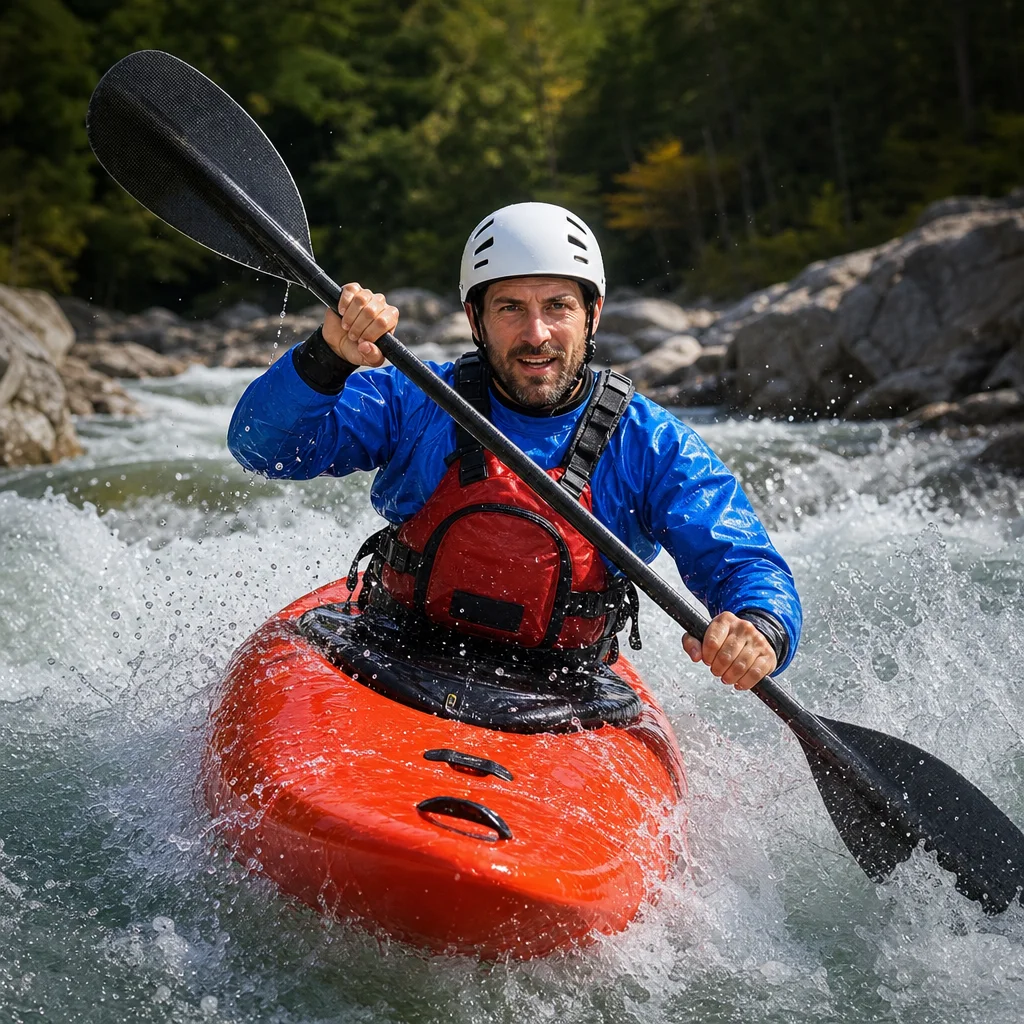
Discomfort in your feet rarely comes from one problem alone. A footrest may be too close, your shoes may compress your toes, or your legs may stay in one position long enough to restrict circulation. Even a well-fitted kayak can become uncomfortable when wet footwear, cold water, or poor posture adds to the pressure.
The goal isn’t to lock your feet into one perfect position. It’s to create steady contact for control while leaving enough room to move, relax, and exit the kayak when necessary.
Start by identifying the type of discomfort
Different symptoms point to different adjustments. Pay attention to when the problem begins and whether it affects both feet equally.
Numbness or pins and needles
Numbness often results from sustained pressure or limited movement. The pressure may come from the footrest, the heel, the top of your foot, or footwear that is too tight. Cold temperatures can make the problem more noticeable.
If both feet go numb gradually, your position may be too static. If only one foot is affected, look for an uneven footrest setting, a twisted leg, or a shoe that fits differently on that side.
Pressure on the balls of your feet
This can happen when you push continuously against the foot braces or when the footrest is positioned too close. Paddlers sometimes use their feet to maintain constant forward pressure, especially when trying to stabilize the kayak. That may help briefly, but it can fatigue your calves and create painful pressure points.
Cramped or curled toes
Cramped toes usually mean your footwear is too short, too narrow, or being held in an unnatural position. They can also curl when you’re trying to grip the kayak with your feet instead of using relaxed contact through your heels, arches, and the balls of your feet.
Cold or wet feet
Water entering through a spray skirt, splash from a paddle, or wet launch areas can quickly reduce comfort. Cold feet may feel stiff before they become painful, making it harder to adjust your position or respond to changing conditions.
Take a comfort break early: If numbness, tingling, or pain is building, stop paddling and change position before sensation is significantly reduced. Persistent symptoms, severe pain, skin color changes, or an injury call for getting off the water and seeking appropriate medical advice.
Adjust the footrest for contact, not maximum pressure
A footrest should give you a stable surface to press against when needed. It shouldn’t require you to keep your knees, ankles, or toes under constant tension.
With the kayak on land, sit in your normal paddling position and place your feet on the braces. Your knees should remain comfortably bent, with enough space to avoid forcing your legs sharply upward. Your heels should be able to rest without your toes being pushed into the front of your shoes.
Make small adjustments rather than moving the footrest a large distance at once. After each change, check three positions:
- Relaxed position: Can you let your legs and feet soften without losing all contact?
- Active position: Can you press lightly against the footrest for control without straining?
- Exit position: Can you withdraw your feet without them becoming wedged or trapped?
The third check matters particularly in a sit-in kayak. A foot brace needs to support control while still allowing a practical exit. Don’t tighten or position equipment in a way that locks your feet into place.
If the footrest is at its limit and your feet still feel cramped, the issue may be the kayak’s cockpit dimensions rather than your technique. A different footrest, an adjustable bulkhead, or a kayak with a better cockpit fit may be more effective than forcing your body to adapt.
Use your legs without gripping with your toes
Comfortable paddling involves more than keeping your feet pointed forward. You can use light, changing contact through your feet and legs to help connect your body to the kayak, but that contact shouldn't feel like a constant squeeze.
Try keeping your toes relaxed and your ankles in a natural position. Let your heels make contact when appropriate, then ease off periodically. Your knees can remain slightly bent rather than pressed rigidly against the sides of the cockpit.
A useful test is to notice whether you can wiggle your toes while maintaining a stable posture. If you can’t, you may be using too much tension or your footwear may be too restrictive.
On longer trips, alternate small changes in ankle angle and leg pressure. These movements don’t need to be dramatic. A few seconds of relaxed contact can help prevent one pressure point from carrying the load for the entire outing.
Choose footwear with room to move
Kayaking footwear needs to protect your feet, stay on securely, and fit inside the kayak. It doesn’t need to be as tight as a climbing shoe or as rigid as a hiking boot.
Look for:
- Enough toe-room to spread and wiggle your toes
- A secure heel that won’t slip during a wet exit or launch
- A sole that protects against rocks, shells, and rough surfaces
- Materials suited to the water temperature and conditions
- A low enough profile to fit comfortably inside the cockpit
Neoprene boots or water shoes can work well, but their thickness changes how much room your feet require. A shoe that fits perfectly when dry may become restrictive with thick socks or after your feet swell during a long outing. Try the complete combination—shoe, sock, and any insole you plan to use—inside the kayak.
Avoid relying on loose sandals in situations where they could come off or catch on obstacles. For casual, warm-water outings, secure water footwear may be enough. In cold water or on rocky shorelines, more coverage and insulation may be worth the additional bulk.
Check the complete fit: Before launch, wear your actual paddling footwear and confirm that you can press the footrest, relax your legs, and withdraw your feet without catching the shoes on the cockpit or brace.
Manage socks, insulation, and trapped water
Wet feet aren’t automatically a problem, but wet and cold feet lose comfort quickly when your footwear is too loose, too thin, or unable to drain. Choose insulation based on the water temperature and the amount of immersion you might reasonably encounter, not just the air temperature at the launch.
Avoid stacking socks until your shoes become tight. More insulation can reduce circulation if it compresses your toes or squeezes the top of your foot. A properly sized neoprene sock may be more comfortable than several ordinary socks in a snug shoe.
If water collects inside your footwear, check whether the opening is being compressed against your leg or whether the shoe has a drainage problem. Emptying excess water during a break may restore comfort, but it won’t solve a fit that is consistently too tight or too loose.
For sit-in kayaks, also inspect the cockpit area for sharp edges, damaged fittings, or rough material that could rub against your footwear. Small abrasions become more noticeable when your feet stay wet for hours.
Prevent discomfort on long outings
Short trips can hide a poor fit. After an hour or more, small problems become obvious, so test your setup progressively.
Before a longer outing, take a moderate-length paddle and note when discomfort begins. Record the footrest position, footwear, socks, and temperature. Change one factor at a time so you can identify what helped.
During the trip:
- Relax your feet whenever you’re drifting or resting
- Change leg pressure periodically
- Avoid waiting until numbness becomes severe
- Take breaks before your feet become painful
- Keep spare dry socks or another practical layer when conditions justify it
If you paddle in cold conditions, plan around the possibility of immersion rather than assuming your feet will stay dry. Comfort equipment should support safe decision-making, not encourage you to remain on the water after your feet have become cold, numb, or difficult to control.
When the problem is the kayak, not your technique
Repeated foot discomfort can indicate a mismatch between your body and the kayak. Warning signs include a footrest that can't move far enough, a cockpit that forces your knees into an awkward angle, or a brace that contacts only a small part of each foot.
Padding can sometimes remove a pressure point, but adding material also reduces available space. Test any modification carefully and make sure it doesn’t interfere with foot withdrawal, drainage, or other controls. Don’t treat padding as a way to force an unsuitable cockpit to fit.
A kayak that feels acceptable for ten minutes may still be a poor choice for a full day. If you’re comparing boats, spend enough time seated in each one to assess relaxed posture, active bracing, footwear clearance, and ease of exit.
A simple comfort check before launch
Use this short sequence before getting on the water:
- Put on the footwear and socks you’ll actually use.
- Sit in the kayak and adjust the footrest in small increments.
- Relax your toes, ankles, and calves.
- Confirm that you can apply light pressure without straining.
- Wiggle your toes and change leg pressure.
- Confirm that your feet can withdraw without catching.
- Recheck the fit after paddling long enough to reveal pressure points.
Comfortable feet should feel supported but not trapped, protected but not squeezed, and warm enough for the conditions. If numbness or pain keeps returning, address the underlying fit or positioning problem rather than simply tolerating it. Small adjustments before launch can make a much longer difference once you’re away from shore.