How Often Should You Stop on a Long Kayak Day?
When distance, wind, heat, or a slower group starts stretching your paddling day, break timing becomes part of trip planning. I’ll help you choose useful stopping points, recognize fatigue early, and adjust your schedule without turning the day into a race.
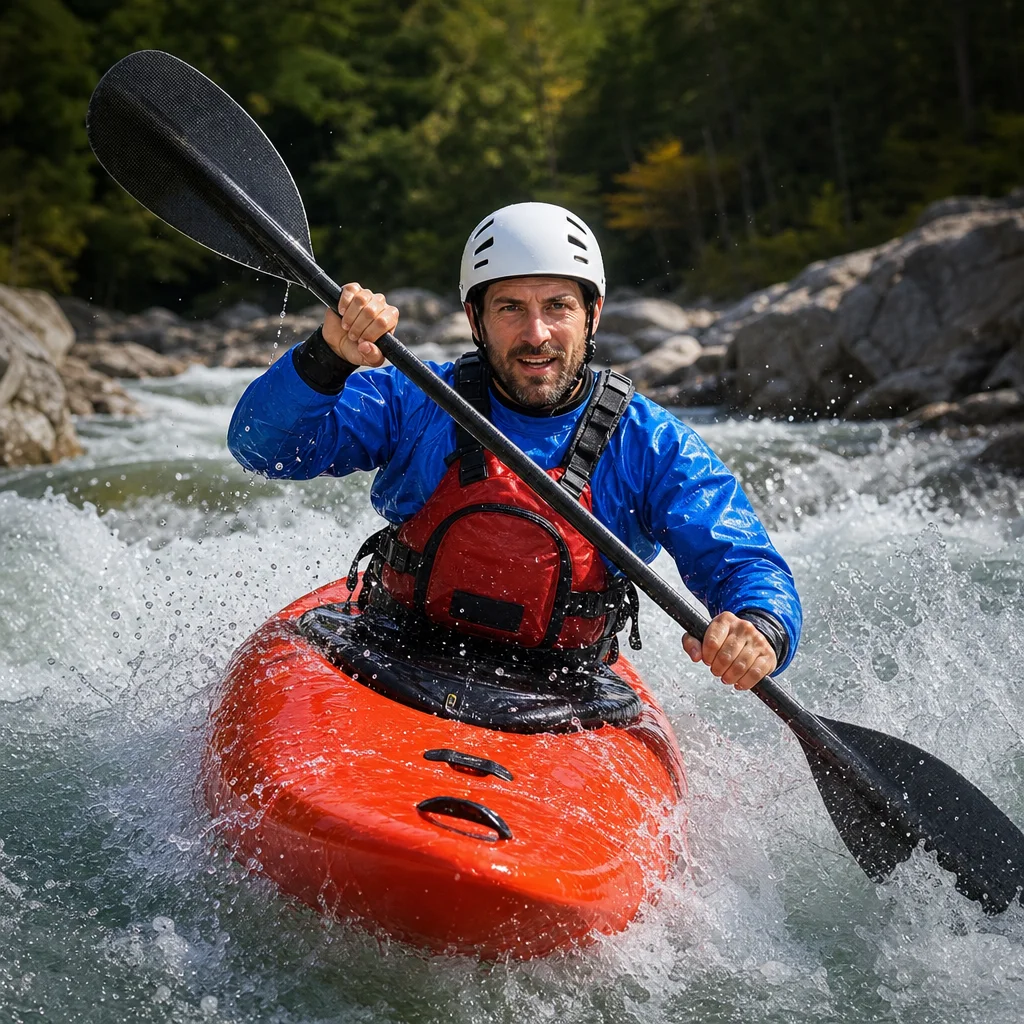
A long kayak day rarely becomes uncomfortable all at once. More often, small problems accumulate: you wait too long to drink, paddle through a planned rest, or let the strongest person set a pace the rest of the group can’t comfortably maintain. By the time someone asks to stop, the group may already be tired and making poorer decisions.
There isn’t one correct break interval for every trip. A sensible schedule accounts for distance, weather, water conditions, boat type, paddling experience, group size, and how easily you can reach shore. The goal isn't to stop as often as possible. It’s to stop early enough that each break restores comfort and attention rather than becoming an emergency recovery period.
Start with a break plan, not a fixed number
For many intermediate paddlers, a useful starting point is a short break about every 60 to 90 minutes of steady paddling, with flexibility to stop sooner. That interval is only a planning reference. It may be too long in hot weather, strong wind, or a demanding current, and unnecessarily frequent on a cool, calm day with easy access to shore.
Think of breaks in three categories:
- Microbreaks: One to five minutes to change posture, take a drink, adjust clothing, or stretch your hands and shoulders.
- Working breaks: Ten to 20 minutes to eat, use the restroom, check the route, and reassess the group.
- Long stops: A planned meal or shore visit that may last 30 minutes or more.
You don’t need to leave the water for every microbreak. If conditions are calm and you can maintain control of the kayak, briefly pause your stroke, relax your grip, and drink. In wind, current, boat traffic, or a narrow channel, reach a safe location before focusing on anything other than boat control.
A good plan also includes a latest-arrival time for each major stop. If you’re still paddling toward lunch after the group has become hungry and quiet, the schedule has already failed, even if the original distance estimate looked reasonable.
Let the day’s workload set the interval
Distance alone doesn’t tell you how tiring a route will be. A few miles into a headwind can require more effort than a longer stretch with a following breeze. Before launching, consider what kind of paddling each section demands.
Calm water and light equipment
On sheltered water with little wind, a comfortable group may paddle for close to an hour before taking a short reset. Even then, small posture changes are worthwhile. Relax your shoulders, loosen an overly tight grip, and check whether your feet and hips still feel properly supported.
If you wait until your hands are numb or your lower back is aching, the break may need to be longer and your technique may already have deteriorated.
Wind, waves, current, or heavy boats
Reduce the interval when you’re working against wind or current, repeatedly bracing in waves, or carrying a heavily loaded kayak. These conditions raise physical and mental demands, even when your speed over the ground is disappointing.
A useful approach is to take a brief reset at the end of each difficult section rather than pushing through several sections to reach a distant destination. You may not be able to eliminate the workload, but you can prevent it from becoming one uninterrupted effort.
In exposed conditions, stopping on the water may be less restful than continuing to a protected landing. Identify sheltered locations during route planning, and don’t make a break dependent on finding an unplanned beach or dock.
Use early signs of fatigue as a stop signal
Break timing should respond to what your body and your paddling are telling you. Watch for changes such as:
- A tighter grip, raised shoulders, or repeated shoulder shrugging
- Slower or less coordinated strokes
- More frequent paddle catches and missed strokes
- Difficulty holding a line or following simple navigation instructions
- Irritability, unusual silence, or reduced communication in the group
- Feeling unusually hot, chilled, thirsty, lightheaded, or weak
- Stiffness that doesn’t improve when you change position
These signs don’t necessarily mean the trip must end, but they do mean the current plan needs to change. Stop in a safe place, drink, eat if appropriate, adjust clothing, and assess whether the paddler can continue comfortably. If symptoms are severe, worsening, or include confusion, fainting, chest pain, trouble breathing, or loss of coordination, treat the situation as a safety problem rather than a normal need for rest and seek appropriate help.
Don’t use a break to disguise a route that has become too difficult. Sometimes the correct decision is to turn around, shorten the route, or land and arrange assistance.
Check today’s conditions before launch: Review the current forecast, wind, heat advisories, water levels, closures, and local emergency guidance for your route. Conditions can change how often you need to stop and whether a planned landing is safe or available.
Plan hydration and food around your breaks
Drinking and eating are easier when they’re attached to predictable pauses. Keep water accessible without taking your attention away from boat control. If you have to unpack a dry bag or turn around repeatedly to find a bottle, you’re more likely to postpone drinking.
Take small drinks regularly rather than waiting until you feel depleted. The amount and frequency depend on temperature, exertion, clothing, body size, and access to water, so avoid treating a single volume target as universal. Bring enough for the route, plus a margin for delays, and don’t assume you can safely refill from natural water without suitable treatment.
For longer days, bring food that is easy to eat, tolerates warmth, and doesn’t require elaborate preparation. A working break might include a snack and water, while a longer stop can provide a more complete meal. Avoid creating a break that is so complicated that the group rushes back onto the water without checking its equipment.
In hot conditions, shade matters. A sunny landing may not provide much recovery even if you sit down. In cold or wet conditions, a long stop can make you colder, so carry clothing and protection that allow you to stay warm while resting.
Pace the group by its least comfortable paddler
A group should plan breaks around the person who needs them most, not the person who can comfortably paddle the longest. This isn’t a judgment about fitness. People differ in experience, kayak fit, heat tolerance, nutrition, and how quickly they notice fatigue.
Agree on simple communication before launching. For example, anyone can call for a short stop without having to justify it, and the group waits at planned junctions or safe regrouping points. A paddler shouldn’t need to fall far behind before the group realizes that the pace is too high.
Keep the group together when conditions, route complexity, or local rules make separation risky. On easy, familiar water, experienced groups may use a different arrangement, but everyone should know where the next regrouping point is and what to do if someone stops unexpectedly.
If one person is consistently struggling, don’t solve the problem only by adding more breaks. Check kayak fit, paddle size, clothing, technique, and load. A poorly adjusted foot brace or an inefficient stroke can make every interval harder.
Place breaks where they help the route
A break is more useful when it also improves your position. Good stopping points may offer:
- Protection from wind, waves, or strong current
- A stable landing suitable for your kayak and skill level
- Shade or shelter when conditions call for it
- A clear view of the next section of the route
- Room for the entire group without blocking other users
- A safe way to launch again without stepping into unstable water
Avoid planning every stop around a specific business, dock, or public facility unless you’ve confirmed that it is open and accessible. Access hours, fees, closures, and landing permissions can change. A practical route has alternatives, including a turnaround option before the group is too tired to use it comfortably.
Mark the intended stops on your map, but also note the effort required to reach them. If the final landing is beyond a long exposed crossing, schedule a reset before that crossing rather than after it.
A simple schedule for a long day
Suppose your route includes five hours of moving time. You might plan it like this:
- Before launch: Drink normally, eat a suitable meal, and check clothing, water, food, route, and exit points.
- After the first 45 to 60 minutes: Take a brief posture and equipment check, even if nobody feels tired.
- Every 60 to 90 minutes after that: Use a short or working break based on conditions and group feedback.
- Before the hardest section: Stop early enough to drink, eat, adjust layers, and confirm the route.
- At the halfway point: Take a meaningful meal and navigation break rather than treating lunch as an afterthought.
- For the final section: Shorten the interval if attention, technique, or communication is slipping.
Build time for these pauses into the trip estimate. If the route only works when nobody stops, it is too ambitious for a long recreational day.
Practical next steps
Before your next long paddle, identify the route’s demanding sections, mark dependable stopping areas, and choose a conservative first-break time. Tell the group that early stops are expected, then reassess after each one.
During the day, ask three questions: Is everyone still paddling with control? Is anyone getting unusually hot, cold, thirsty, or quiet? Does the next section require more effort than the last? If the answers raise concern, stop sooner, change the plan, or turn back. A well-timed break protects comfort, judgment, and the option to finish the trip safely.