How to Keep a Kayak Trip Comfortable in Humid Weather
Humidity can turn a moderate paddle into a sweaty, draining outing long before distance becomes the problem. I’ll help you balance clothing, hydration, sun protection, timing, and rest so your kayak trip stays comfortable without carrying unnecessary gear.
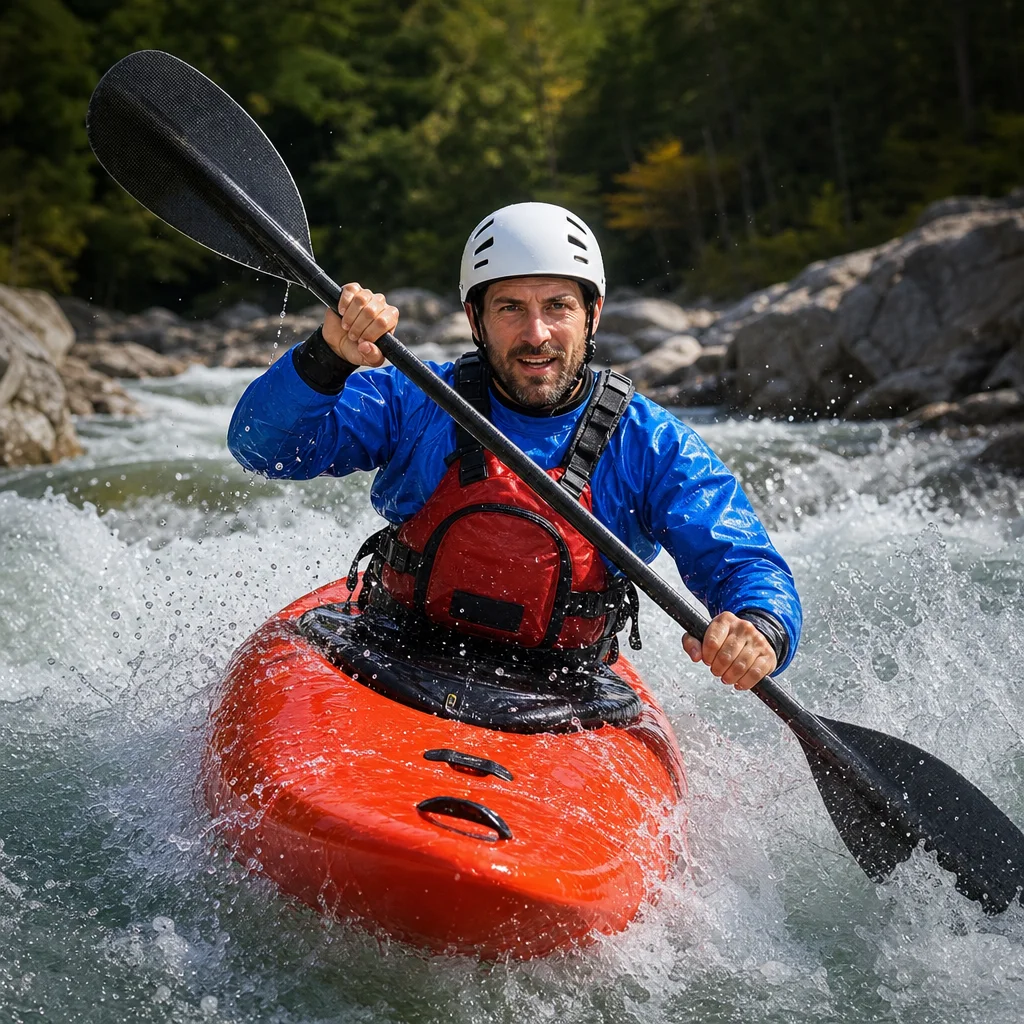
High humidity makes kayaking feel harder because sweat doesn't evaporate as efficiently. You may be paddling at a familiar pace, yet feel hotter, wetter, and more tired than expected. The goal isn’t to eliminate discomfort entirely; it’s to manage heat, moisture, sun, and effort before they begin affecting your judgment.
Choose a Cooler Time and Route
The simplest comfort improvement is often changing when and where you paddle. Early morning usually offers lower air temperatures and less intense sun, although some humid regions are still muggy at daybreak. Late afternoon can also work, but only if you have enough daylight and a reliable plan for changing weather.
A shaded route can be more comfortable than a shorter, exposed one. Tree cover, marsh edges, and narrow waterways may reduce direct sun, but they can also restrict wind. Open water may provide a breeze while offering little shade. Consider which problem is more likely to affect your group: overheating in the sun or feeling trapped in stagnant, humid air.
For a first outing in oppressive conditions, choose a route with:
- Easy access to shore or launch points
- Several shaded places to stop
- A shorter distance than your normal trip
- Reliable cell coverage or a clear communication plan
- Few sections where wind, current, or boat traffic could delay your return
Check the day’s heat and water conditions: Before launching, review the current forecast, heat index or local heat advisory, wind, thunderstorms, water conditions, and any access or boating requirements for your area. Conditions and safety recommendations vary by location, and a route that is comfortable in the morning may become unsuitable later.
Dress for Evaporation, Shade, and Protection
In humid weather, clothing has to perform several jobs at once. It should move moisture away from your skin, protect you from ultraviolet exposure, and allow enough airflow to keep you from feeling sealed in.
A lightweight synthetic or wool-blend shirt is generally more useful than a heavy cotton T-shirt. Cotton can feel comfortable at the launch, but once it becomes soaked, it dries slowly and may leave you cold during a breeze or an unplanned delay. A loose, lightweight long-sleeved shirt may feel warmer initially, yet provide better sun protection and reduce the need to apply sunscreen to every exposed area.
Your best choice depends on conditions:
- Short, shaded trips: A breathable shirt and shorts may be sufficient, with extra sun protection for exposed skin.
- Longer or exposed trips: A lightweight, long-sleeved sun shirt, sun pants or quick-drying shorts, and a brimmed hat offer more consistent protection.
- Windy or changeable conditions: Carry a thin layer that blocks wind without trapping excessive heat.
- Cool-water environments: Dress for the water temperature and the possibility of capsizing, not just the air temperature. Warm, humid air doesn't make cold water harmless.
Avoid tight clothing that holds damp fabric against your skin. A little looseness improves airflow and makes it easier to add or remove a layer. If you wear a hat, select one that stays secure when you turn your head and doesn't interfere with your personal flotation device.
Manage Sun Exposure Without Overheating
Sun protection and ventilation can pull in opposite directions. Covering more skin reduces direct exposure, but dark or heavy fabrics can make you feel hotter. Look for lightweight, breathable clothing designed for warm conditions rather than simply adding layers.
Apply sunscreen to areas that clothing doesn't cover, including your face, ears, neck, hands, and lower legs. Reapply according to the product’s directions, especially after heavy sweating or contact with water. Sunscreen is only one part of the plan: a hat, sunglasses, shade, and a route with regular opportunities to get out of direct sun all help reduce the load.
A brimmed hat can shade your face and neck, while a baseball-style cap leaves your ears and neck more exposed. A neck gaiter can add protection, but it should remain breathable and shouldn't make it harder to see, hear, or communicate. Keep sunglasses attached with a retainer so they don't become another item you have to manage while paddling.
Hydrate Before You Feel Drained
Bring more fluid than you expect to use on a mild day. Humidity can hide how much sweat you are losing because your skin may stay wet rather than feeling dry. Start hydrated, then take regular small drinks instead of waiting until you are thirsty and consuming a large amount at once.
A hydration bladder makes frequent drinking easy, but bottles are simpler to inspect, refill, and share safely. Whichever option you use, secure it where you can reach it without twisting aggressively or leaning far out of the kayak. Keep a backup container in a dry bag if the trip is long or access to fresh water is limited.
For a short outing, water may be all you need. On a longer, hotter paddle with substantial sweating, a drink containing electrolytes can be useful for some people. It isn't a substitute for rest, shade, or reducing effort, and very sugary drinks may be unpleasant in the heat. Avoid treating hydration as a challenge to drink as much as possible; excessive fluid intake can also be dangerous.
Pack food that remains appealing when you are hot, such as fruit, crackers, sandwiches, or other familiar snacks. Take a small amount during a planned break rather than waiting until you feel weak. Store food and drinks where they will stay clean, cool when possible, and easy to reach.
Build Breaks Into the Trip
In humid weather, breaks are part of pacing rather than evidence that you are falling behind. Stop before you feel exhausted, preferably in shade or somewhere with airflow. Get out of the kayak if it is safe and permitted, loosen restrictive gear, drink, and let your clothing or skin cool.
A brief floating pause can help, but it may not provide enough recovery if you remain in direct sun. Landing at a suitable shore gives you more options, although you should account for muddy banks, unstable ground, private property, wildlife, and the effort required to relaunch.
Use a simple check at each break:
- Are you drinking normally, or struggling to keep fluids down?
- Is your headache, fatigue, or dizziness improving with rest?
- Are you still thinking clearly and communicating normally?
- Is anyone unusually irritable, confused, weak, or unsteady?
- Does the route still make sense given the heat and remaining daylight?
If symptoms are getting worse, don't continue simply because the destination is close. Move to a cooler location, stop exertion, get help when needed, and follow local emergency guidance. Confusion, fainting, severe weakness, or a very hot body are serious warning signs that require prompt emergency action.
Adjust Your Paddling Effort
Heat management starts with how hard you paddle. Use a relaxed stroke, keep your grip light, and avoid racing between stops. A steady, moderate pace usually creates less heat and leaves more capacity for wind, current, or a difficult landing.
If you paddle with others, set the pace for the least heat-tolerant or least experienced person. Don't assume that a strong paddler is comfortable just because they are staying with the group. Agree on signals for stopping and keep the group close enough that a problem will be noticed quickly.
A sit-on-top kayak can feel more open and easier to ventilate, but you may have more direct sun exposure and a wetter seat. A sit-inside kayak can shield your lower body from spray and sun, yet may feel warmer because airflow is limited. Neither design is automatically better in humidity; the route, clothing, water temperature, and your ability to exit safely matter more.
A spray skirt can keep water out in rough or cool conditions, but it may trap heat on a calm, hot outing. Use equipment appropriate for the conditions and your skill level, and never compromise the ability to release yourself from the cockpit.
Keep Essential Comfort Gear Reachable
Comfort gear only helps if you can access it without destabilizing the kayak. Keep frequently used items in deck-mounted storage, a secure cockpit bag, or a properly fitted personal flotation device with suitable pockets. Avoid loose objects that can become hazards during a capsize.
Useful items may include:
- Water or an accessible hydration system
- A brimmed hat and sunglasses with a retainer
- Sunscreen for reapplication
- A lightweight dry or wind layer
- A small towel or bandana
- High-energy snacks
- A phone or communication device in waterproof protection
- A first-aid kit and any personal medication
- A headlamp if the return could extend toward dusk
A cooler can keep drinks pleasant, but it adds bulk and may be difficult to secure. For many day trips, an insulated bottle provides most of the benefit with less space and weight. This is a typical humid-weather trade-off: the item that improves comfort can also affect stability, capacity, and how much effort you spend carrying it.
Finish With a Conservative Plan
When humidity is high, plan the trip around your return rather than your maximum possible distance. Leave time for a slower final section, an extra break, a weather delay, or a tired paddler who needs assistance. If the conditions are already uncomfortable at the launch, shortening the route is usually a better decision than hoping your body will adjust.
Before you go, make four choices:
- Select a cooler, shorter, or more shaded route.
- Wear breathable clothing that protects you from the sun without trapping heat.
- Carry accessible fluids, food, and basic emergency gear.
- Decide in advance where you will stop, turn around, or end the trip.
The most comfortable humid-weather paddle is rarely the one with the most equipment. It is the one paced conservatively, supported by sensible clothing and hydration, and flexible enough to change when the heat or your body says the original plan no longer fits.