How to Keep a Kayak Group Together Without Constant Stopping
A kayak group stays together when leadership, pacing, visibility, and regrouping work as one system rather than relying on frequent stops. I’ll show you how to assign roles and build a smoother plan that reduces separation and improves safety.
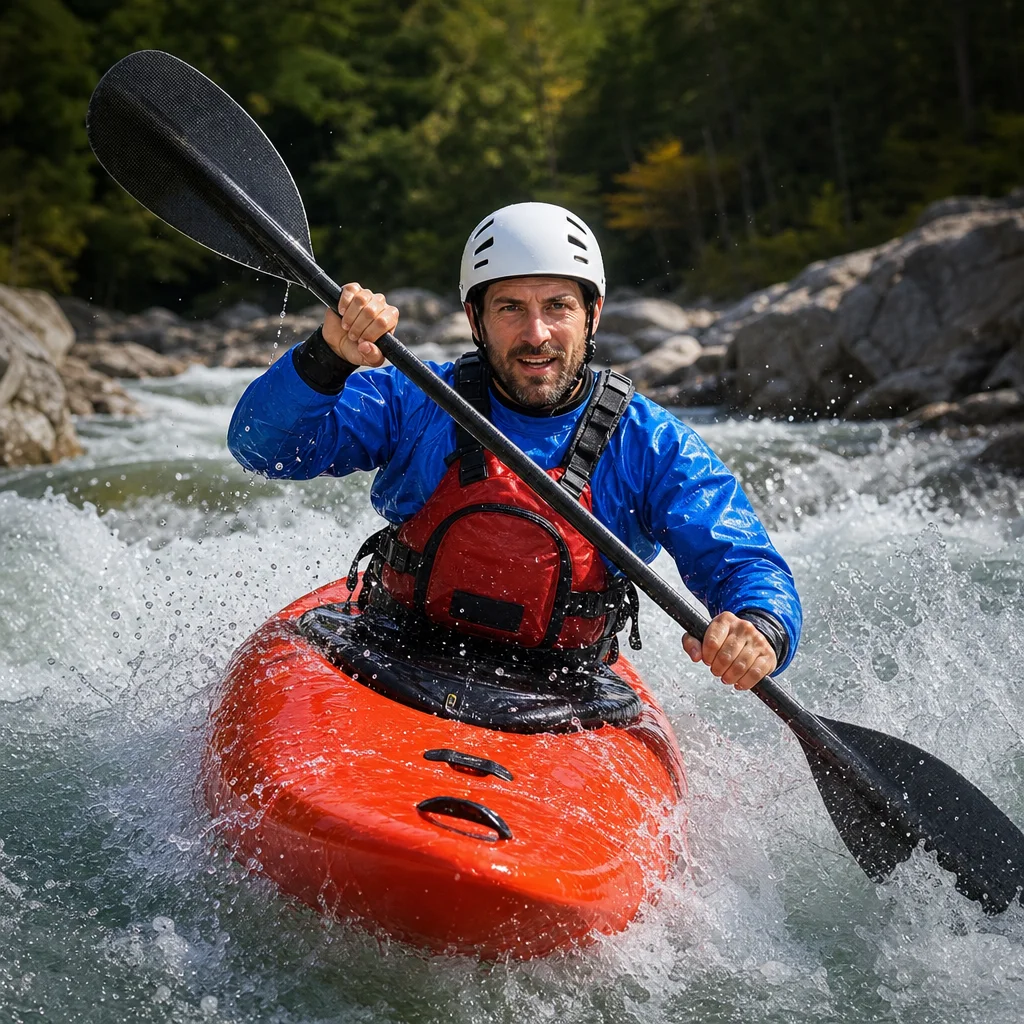
Keeping a kayak group together is less about making everyone paddle at the same speed and more about managing the differences between paddlers. A strong group plan lets faster kayakers ease off, gives slower paddlers room to maintain a steady rhythm, and creates clear points for everyone to reconnect without repeated, unplanned stops.
For group leaders and recreational clubs, the goal is simple: keep every paddler within the group’s safety system while preserving enough momentum for the outing to remain enjoyable.
Set the Group Up Before Launch
A few minutes of planning on shore can prevent most separation problems on the water. Before launching, make sure everyone knows the route, expected conditions, communication signals, and what to do if they lose sight of the group.
Discuss:
- The planned route and approximate distance
- Areas where the group may spread out, such as narrow channels or open crossings
- The slowest expected pace
- Who will lead and who will act as sweep
- Planned regrouping points
- Hand, paddle, or whistle signals
- What to do if someone capsizes, feels unwell, or needs help
Keep the briefing short enough that people will remember it. A simple plan used consistently is more effective than a long list of instructions that no one recalls once the group launches.
Identify the Group’s Practical Pace
The group’s working pace should be based on the paddler who needs the most time to complete the route comfortably, not the strongest paddler’s preferred speed. That doesn’t mean everyone must remain directly beside the slowest kayak. It means the route, spacing, and regrouping plan must give that paddler a reasonable margin.
Ask about experience, comfort in wind or current, and whether anyone is using a new kayak or paddle. A participant who can paddle confidently on calm water may move much more slowly when facing waves, boat traffic, or an unfamiliar launch.
If the pace is uncertain, choose a shorter initial section and reassess at the first planned regrouping point.
Use Leader and Sweep Positions
A leader at the front and a sweep at the back create a basic safety boundary for the group. The leader manages direction and watches for hazards ahead. The sweep confirms that no one has fallen behind or stopped without the group noticing.
These roles work best when they are active rather than ceremonial.
The Leader’s Responsibilities
The leader should:
- Set a moderate, sustainable pace
- Choose a route that matches the group’s abilities
- Slow down before turns, intersections, and exposed areas
- Pause at decision points so the back of the group can catch up
- Watch for changing wind, current, boat traffic, and access points
- Communicate changes early enough for the entire group to respond
A leader who paddles hard to reach the next waypoint can unintentionally stretch the group. Instead, treat the position as a moving reference point. If the group becomes elongated, reduce speed before the gap becomes difficult to close.
The Sweep’s Responsibilities
The sweep should remain behind the last paddler, not several boats ahead of them. The sweep can:
- Notice when someone is falling behind
- Check whether a paddler has stopped or is having difficulty
- Report problems to the leader
- Encourage a struggling paddler without creating pressure
- Help keep the group visible to other paddlers and boaters
The sweep needs enough experience to recognize when a small delay is becoming a safety concern. Rotate the role only among people who understand the route, signals, and group plan.
Agree on a Manageable Formation
There is no single formation that suits every waterway. Your spacing should reflect visibility, hazards, and the group’s experience.
On a narrow, sheltered section, paddlers can often travel in a loose line. On open water, a broad arrangement may improve visibility, but it can also make the group harder to manage around boat traffic or strong wind. In busy areas, keeping the group compact and predictable may be more important than maintaining a particular shape.
Avoid allowing very fast paddlers to surge far ahead and then wait in a tight cluster. That pattern repeatedly creates a large gap, followed by a stop, followed by another surge. A better approach is for faster paddlers to reduce their effort and stay within visual range of the group.
Establish a Pace Agreement
A pace agreement gives everyone a shared expectation before small differences become frustration. For example, agree that the group will travel at a conversational effort and that no one will deliberately pass the leader or fall behind the sweep without notifying someone.
You can also define a simple rule for gaps:
- If the leader can no longer see the sweep, the leader slows or stops at a safe location.
- If the sweep sees a growing gap, the sweep signals the leader.
- If a paddler needs to stop, they tell the nearest paddler and remain visible when possible.
- If someone leaves the group, another person knows where they went and why.
These rules are more useful than an exact speed because wind, current, kayak design, and paddler fatigue all affect how quickly a group moves.
Use Visual Checks Instead of Constant Stops
Frequent visual checks can keep a group connected without requiring everyone to land or raft up. The leader should look back at suitable intervals, especially after turns, descents, crossings, and changes in water conditions.
The sweep should also check forward and communicate if the gap is increasing. Paddlers in the middle have an important role: they can pass information in both directions. A short call such as “all clear,” “slowing,” or “need a minute” may prevent confusion from reaching the front too late.
Visual checks become less reliable in fog, glare, heavy rain, darkness, or large waves. In those conditions, shorten the spacing, increase communication, or change the plan rather than assuming the group can maintain its normal arrangement.
Choose Regrouping Points Before You Need Them
Regrouping points work best when they are selected in advance and placed where the group can wait safely. Suitable locations might include a protected shoreline, a broad bend with good visibility, an established landing area, or a calm section before a more demanding crossing.
Avoid choosing a stopping point in the middle of a narrow channel, near a blind corner, in a surf zone, or where wind and current can push waiting kayaks into danger. A regrouping point isn't automatically safe simply because it is convenient.
Use enough points to match the route’s difficulty. On calm, sheltered water, the group may only need to regroup at major turns or crossings. On exposed water or a route with frequent navigation decisions, use more frequent checks.
The leader should tell the group what is coming: “We’ll regroup on the far side of the crossing,” or “After the next bend, we’ll check that everyone is together.” Clear expectations reduce the chance that someone interprets a temporary gap as permission to continue alone.
Check the day’s operating limits: Before launch, confirm current weather, wind, water conditions, access restrictions, and local boating requirements for your route. Conditions and regulations vary by location and can change during the outing, so adjust the route or cancel if the group’s skills and equipment no longer match the risk.
Manage Different Speeds Without Embarrassing Anyone
A slow paddler may be dealing with fatigue, poor technique, an uncomfortable boat fit, wind resistance, or anxiety about the conditions. Calling attention to their position in front of the group can make the problem worse.
Instead, manage the group as a whole. Ask everyone to settle into an easier pace, shorten the route, or move a planned regrouping point closer. If one paddler is consistently struggling, speak with them privately when practical and offer specific options.
A technique adjustment may help. Some paddlers waste energy by gripping the paddle too tightly, reaching too far, or trying to maintain a sprinting cadence. However, a group outing isn't always the right setting for a detailed coaching session. First make the immediate situation comfortable and safe; discuss technique later if needed.
If a paddler can't continue comfortably, the leader should use the agreed plan for returning, landing, or providing assistance. Don't let the rest of the group continue while assuming the sweep can manage every problem alone.
Build Communication That Works From a Distance
Choose a small set of signals that everyone understands. Voice commands may work on quiet water but can disappear in wind or boat noise. Hand and paddle signals can help when paddlers are within sight, while a whistle may attract attention over a greater distance.
Your system might include signals for:
- Stop or slow down
- Come closer
- Change direction
- Hazard ahead
- Need assistance
- Someone is missing from view
Practice the signals briefly before launching. Make sure paddlers know who is authorized to call an immediate stop for a hazard or emergency. Communication should move through the group rather than depending on every person hearing the leader directly.
Never treat a phone as the group’s only communication method. Phones may be difficult to access from a kayak, lose signal, or become unusable when wet. Carry communication equipment appropriate to the location, keep it accessible, and make sure the group knows how to use it.
Common Group-Management Mistakes
Letting the Fastest Paddlers Set the Route
Fast paddlers often reach turns and landing areas first, then wait. This hides the size of the gap and encourages a repeated cycle of sprinting and stopping. Keep the lead pace moderate and ask faster paddlers to remain part of the group.
Stopping Only When Someone Complains
Some paddlers won't speak up when they are tired, confused, or uncomfortable. Use planned visual checks and ask simple questions at natural points. Quiet doesn't always mean everything is fine.
Making the Sweep Responsible for Everything
The sweep can identify a growing gap, but the entire group must respond. If the leader continues at the same speed after the sweep signals a problem, the sweep has limited options.
Regrouping in Unsafe Locations
A group that stops in a narrow passage or exposed crossing may create more risk than the original separation. Select stopping areas with visibility, room to maneuver, and protection from the conditions.
Failing to Reassess After a Change
A change in wind, current, traffic, fatigue, or weather can make the original pace unrealistic. Treat the plan as adjustable. A shorter route is usually easier to manage than trying to preserve an ambitious schedule.
A Simple Plan for Your Next Group Paddle
Before launching, assign a leader and sweep, explain the route, and agree on a comfortable pace. Identify two or three safe regrouping points, then choose communication signals everyone can recognize.
On the water, keep the leader and sweep within visual contact, use the middle of the group to pass messages, and slow down before gaps become large. Reassess at each regrouping point instead of waiting for a problem to force a stop.
If the group still can't stay together, change one variable: reduce the pace, shorten the route, divide the outing into compatible groups, or choose more sheltered water next time. Consistent roles and realistic limits will do more for safety and enjoyment than asking everyone to paddle harder.