Prevent Numb Hands During a Long Kayak Outing
I’ll show you how to prevent numb hands on a long kayak outing by correcting grip pressure, wrist position, paddle setup, breaks, and temperature mistakes before they become recurring problems. You’ll also learn which warning signs mean you should stop paddling instead of pushing through.
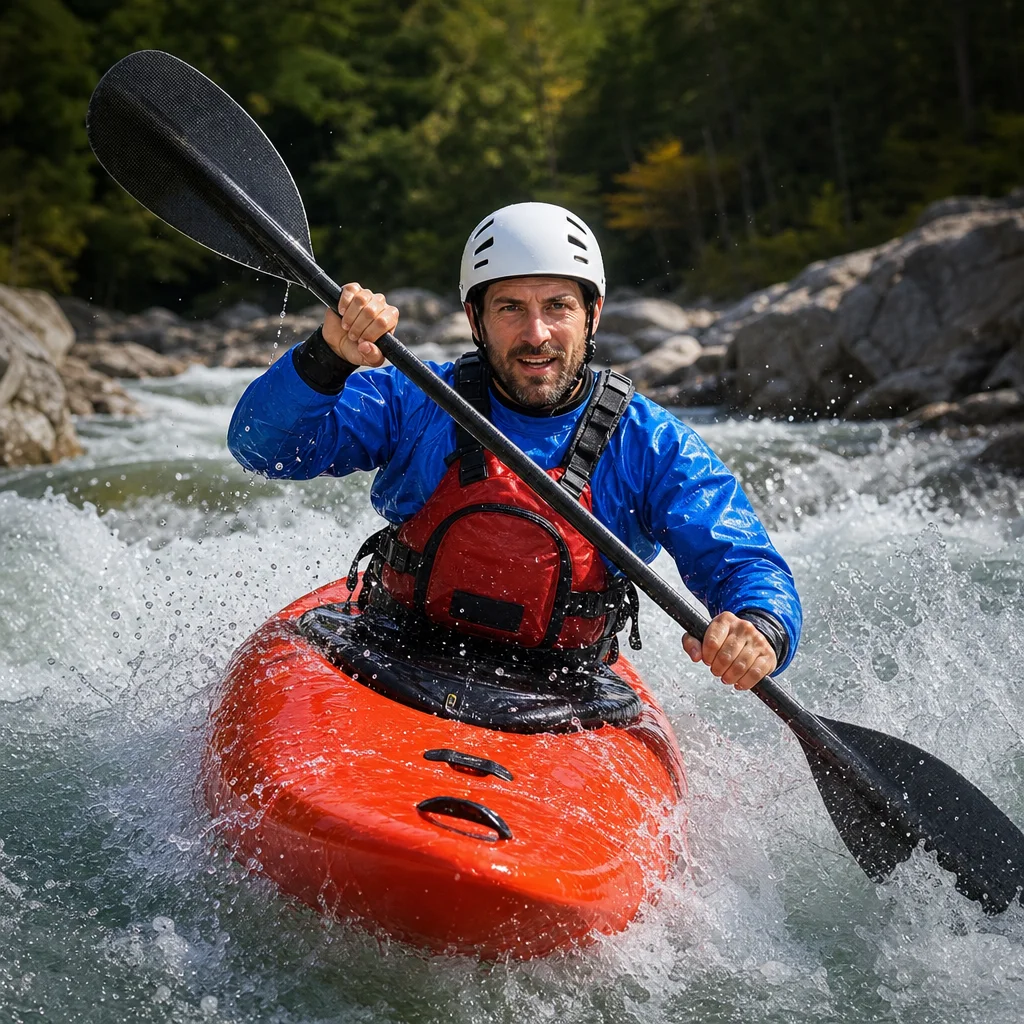
Long paddles can leave your hands numb, tingling, or painfully stiff even when the rest of your body feels fine. The common mistake is treating hand discomfort as an unavoidable part of kayaking and simply gripping harder to maintain control.
Numb hands usually point to a combination of pressure, restricted wrist position, cold, vibration, and too much time without a change in movement. Small adjustments made early are more useful than trying to restore sensation after your fingers have gone completely numb.
Start with a relaxed grip
Your paddle should stay in your hands without being clenched. A tight grip increases pressure through your fingers and the base of your palm, which can irritate nerves and reduce comfortable circulation over time.
Hold the shaft firmly enough to control the blade, but keep your fingers relatively relaxed. During the recovery phase of each stroke, briefly loosen your grip and let your hands reset. You shouldn’t need to squeeze the paddle as if you’re trying to prevent it from being pulled away in calm water.
A useful check is to notice whether your knuckles are pale, your forearms are tense, or your thumbs are pressing hard against the shaft. Those signs suggest that you’re using more force than necessary.
Avoid wrapping your hands around the paddle with every finger locked tightly. Many paddlers do better with a light, complete grip that allows the fingers to move slightly rather than a rigid clamp.
Keep your wrists in a neutral position
Your wrists should generally follow the line of your forearms instead of bending sharply backward, forward, or sideways. A bent wrist increases strain and can put extra pressure on the tissues passing through the wrist and hand.
When setting up for a forward stroke, keep your top hand roughly in front of your shoulder and avoid cocking the wrist back to create leverage. Power should come primarily from torso rotation and coordinated arm movement, not from forcing the paddle with your hands.
Watch for these common wrist-position problems:
- Bending the top wrist sharply backward during the catch
- Letting the lower wrist collapse toward the paddle shaft
- Holding the paddle at an awkward angle because the shaft is too long
- Reaching too far forward and twisting the hand to place the blade
- Keeping the elbows locked while trying to increase stroke power
A relaxed bend in the elbows makes it easier to keep both wrists aligned. If your hands feel strained, reduce the stroke force and check your posture before changing your grip.
Reconsider your paddle setup
Paddle setup affects how much work your hands have to do. Shaft diameter, paddle length, blade size, feathering, and overall weight can all influence comfort during a long outing.
Check the shaft diameter
A shaft that’s too large may force your fingers to stretch around it. A shaft that’s too small can encourage you to squeeze it for security. If your paddle feels difficult to hold with a relaxed grip, try a different diameter or consider a smaller-diameter shaft designed for paddlers with smaller hands.
Grip tape or aftermarket sleeves may improve comfort, but they can also increase the diameter and create uneven pressure. If you add a wrap, keep it smooth, secure, and thin enough that your fingers don’t have to work harder around it.
Consider paddle length and blade size
A paddle that’s too long or has large blades can increase the force required on every stroke. That extra load often appears first as forearm fatigue and hand tension.
Paddle length depends on factors such as kayak width, your height, stroke style, and the paddle’s blade design. Use the manufacturer’s sizing guidance as a starting point, then pay attention to how the paddle feels in your boat. If each stroke requires a wide reach or heavy pulling, a different size may reduce strain.
Larger blades aren’t automatically better. They can produce more power, but they also create more resistance. For steady-distance paddling, a moderate blade may be easier to control and less tiring than a high-power design.
Inspect the ferrule and shaft
A loose or damaged ferrule can create small movements, rattles, or vibration that encourage you to grip the paddle tightly. Before a long outing, check that the connection locks securely and that the shaft has no cracks, sharp edges, or loose components.
This is a simple maintenance habit with a long-term benefit: reliable equipment lets you use a lighter grip because you aren’t compensating for movement you don’t trust.
Check your paddle before the next long trip: Lock the shaft together, rotate the blades gently, and look for looseness, cracks, sharp edges, or unusual vibration. Repair or replace a questionable paddle before relying on it far from shore.
Use breaks before numbness starts
Waiting until your hands are numb is too late for a useful prevention strategy. Build short pauses into the outing, especially if you’re paddling continuously, fighting wind, or traveling at a sustained pace.
During a break, place the paddle securely, open and close your hands slowly, and move your wrists through a comfortable range. Shake your arms out gently rather than forcing a stretch or aggressively pulling on your fingers.
You can also make small movement changes while paddling:
- Alternate which hand leads slightly during relaxed sections
- Vary your stroke rate instead of maintaining one repetitive rhythm
- Let your fingers loosen during recovery
- Change hand placement only when you can maintain safe paddle control
- Pause to adjust clothing, gloves, or equipment before discomfort escalates
Frequent short resets are usually easier on your hands than one long break after they have become stiff and numb.
Manage cold and wet conditions
Cold can make numbness develop faster and can reduce dexterity even when your grip and technique are sound. Wet hands may also lose warmth more quickly, particularly in wind or after repeated contact with cold water.
Dress for the water temperature and expected conditions, not only the air temperature at launch. Lightweight paddling gloves can reduce contact with a cold shaft and help prevent blisters, but they shouldn’t fit so tightly that they restrict movement or create pressure points.
Choose gloves that allow you to hold the paddle with a relaxed grip. Check the seams, palms, and closures periodically. A worn glove can bunch up in one spot and produce more pressure than paddling without it.
Keep a dry backup layer accessible rather than buried under other gear. If your hands become cold, wet, and less coordinated, warming them should take priority over maintaining your planned pace.
Match your technique to the distance
A long outing rewards efficiency more than force. Use torso rotation, stable posture, and a controlled stroke rather than pulling mainly with your arms and hands. Your lower hand should guide the paddle while your upper hand helps direct the stroke without punching down or squeezing tightly.
If you’re sprinting, paddling into wind, or carrying extra gear, hand fatigue may arrive sooner. Reduce intensity when practical and reassess whether the conditions, load, and paddle choice match your ability and the length of the trip.
Seat position can matter as well. If you’re slumped or unable to rotate comfortably, your arms may take over more of the work. Adjust foot support and seating so your torso can rotate without forcing your wrists into awkward positions.
Don’t ignore warning signs
Mild, temporary tingling that improves after you relax your grip and warm your hands is different from persistent or worsening symptoms. Stop and reassess if numbness continues despite a break, returns quickly after restarting, or affects your ability to control the paddle.
Seek appropriate medical advice for recurring numbness, significant weakness, loss of coordination, severe pain, or symptoms that continue after the outing. Numbness can have causes unrelated to paddling, and technique changes aren’t a substitute for evaluation when symptoms are persistent or concerning.
Before you paddle on: Stop in a safe location and check whether sensation, strength, and coordination are returning. If you can’t control the paddle normally, symptoms are worsening, or you feel unwell, end the outing and get help rather than trying to reach your original destination.
A simple prevention routine
Before launching, inspect the paddle and ferrule, confirm that your gloves and clothing don’t restrict your hands, and think through where you’ll take breaks. During the first part of the trip, deliberately check your grip, wrists, and forearm tension instead of waiting for discomfort to announce itself.
On longer outings, treat hand comfort as an equipment-and-technique maintenance issue. A relaxed grip, neutral wrists, suitable paddle setup, warm hands, and regular pauses work together. If one adjustment doesn’t solve the problem, change one factor at a time so you can identify what is actually helping.
For your next long paddle, start with a lighter grip, keep your wrists aligned, and schedule an early hand reset. Inspect any equipment that causes vibration or pressure, and turn back or stop if numbness affects safe control. Those habits make comfortable paddling more repeatable rather than dependent on simply tolerating discomfort.