How to Keep Your Hands Warm Without Losing Paddle Control
Cold-weather paddle comfort depends on keeping your hands warm without adding bulk, slippage, or maintenance problems. I’ll compare pogies, gloves, hand warmers, and layering choices so you can build a reliable setup for changing conditions.
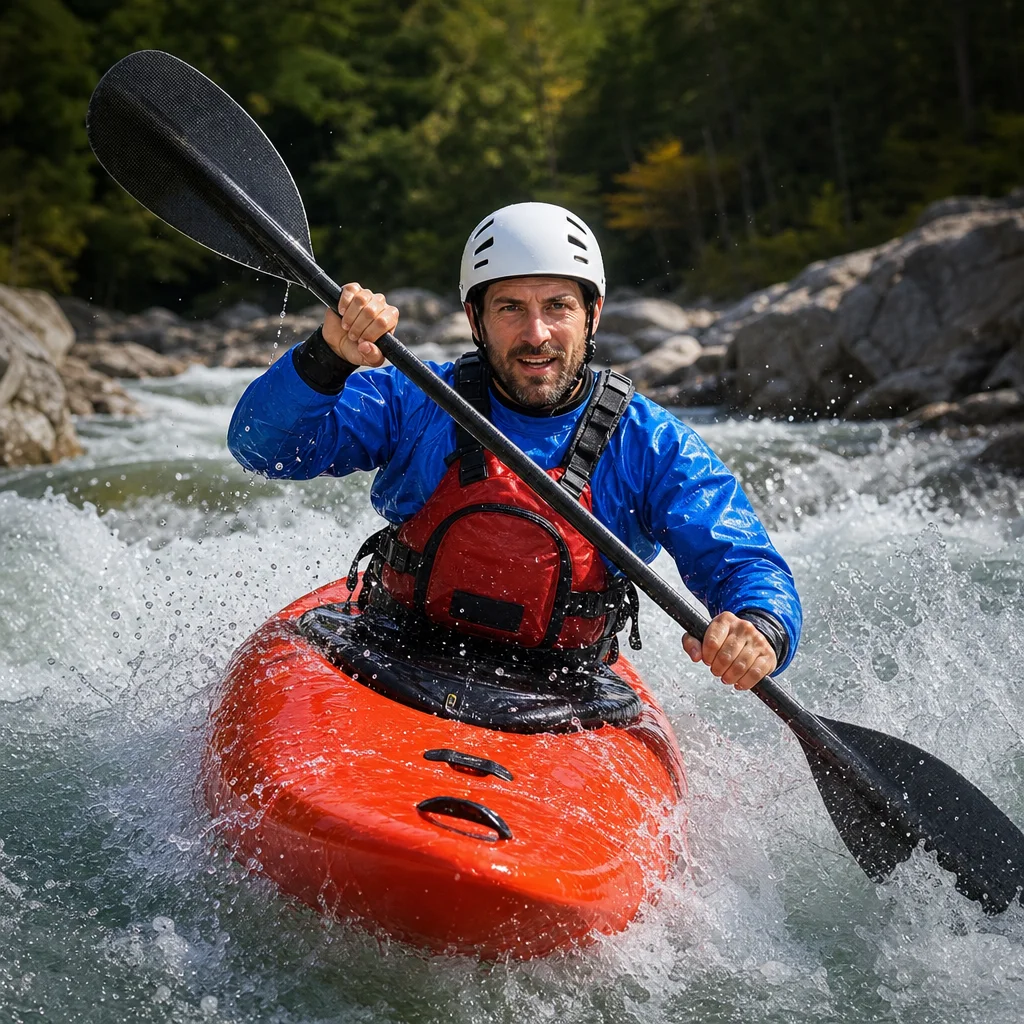
Cold hands can turn an otherwise manageable paddle into a struggle, but adding the warmest-looking gear isn’t always the best solution. Bulky gloves may reduce your grip awareness, wet insulation can become a liability, and a setup that works at the launch may feel too warm once you’re moving.
The most reliable approach is to match your hand protection to the water temperature, wind, paddling intensity, and the way your equipment is maintained. Your goal isn’t simply to block cold. It’s to preserve dexterity, keep your paddle secure, and have a backup plan if one part of the system gets wet.
Start with the main sources of heat loss
Your hands cool quickly when they’re exposed to cold air, wind, spray, and wet gear. Holding a paddle also limits how much you can move your fingers, which makes it harder to generate warmth naturally. A tight grip can make the problem worse by reducing circulation and tiring your forearms.
Cold-water paddling adds another concern: immersion. Even if the air feels tolerable, a capsize or repeated splashing can soak your hand protection. Once wet, some gloves provide little insulation and may take a long time to dry.
Think about four conditions before choosing a setup:
- Air temperature: How cold will your hands feel at rest and while paddling?
- Water temperature: Could your hands or arms enter the water during a capsize or recovery?
- Wind and spray: Will wind cut through the insulation or blow water onto the paddle shaft?
- Paddling effort: Will you be working hard, cruising slowly, or taking frequent breaks?
You may need less insulation while actively paddling than during a stop. That makes adjustability and reliable storage just as important as warmth.
Check the water before choosing hand protection: For cold-water trips, consider the consequences of a capsize rather than dressing only for the air temperature. Use clothing and safety equipment appropriate for the conditions, and don’t rely on hand warmers or gloves to make an otherwise unsuitable outing safe.
Pogies: the most direct way to preserve paddle control
Pogies attach to the paddle shaft and create an insulated enclosure around your hands. You slide your hands inside while holding the paddle, so the fabric blocks wind and helps retain heat without placing a thick layer between your palms and the shaft.
For many recreational paddlers, this is the best balance of warmth and control. Your bare hands can contact the paddle directly, and you can adjust your grip without fighting bulky glove material. Pogies also make it easier to release the paddle quickly than some tight gloves do.
Strengths of pogies
- Direct contact with the paddle improves grip feedback.
- Wind protection is usually better than with ordinary gloves.
- You can move your fingers more freely inside the opening.
- They’re useful for maintaining a consistent grip during long stretches.
Limitations to consider
Pogies don’t warm your hands by themselves. They retain the heat your hands produce, so cold hands may remain cold if you put them on after they’ve already lost warmth. They also expose your hands when you remove them, which matters during breaks or rescues.
Attachment quality is important. A loose or poorly positioned pogie can shift along the shaft, interfere with hand placement, or collect water. Check that the openings fit your paddle shaft and that the closures remain secure without restricting your grip.
For long-term reliability, dry pogies fully after each trip. Salt, grit, and fine sand can work into closures and attachment points. Follow the care instructions for the material, and inspect seams and openings before a cold-weather outing.
Gloves: warmth with more separation from the paddle
Paddling gloves are designed to protect your hands while allowing you to hold the shaft. They may use synthetic insulation, neoprene, fleece, or a combination of materials. Some have textured palms for grip, while others are thin enough to preserve more finger movement.
Gloves are useful when you want hand protection away from the paddle as well as on it. They’re also convenient during launches, shoreline walks, loading, and rescues. If you regularly alternate between paddling and handling equipment, gloves can be more versatile than pogies.
The trade-off is reduced contact with the paddle. Thick material can make the shaft feel less secure and may encourage you to squeeze harder. That extra tension can contribute to sore hands and forearms.
What to look for in paddling gloves
Choose a close but not restrictive fit. Your fingertips should reach the ends without being compressed, and you should be able to open and close your hand normally. A glove that is too tight can reduce circulation; one that is too loose may bunch up and create pressure points.
Pay attention to the palm and finger materials. A smooth, slippery palm is a poor match for a wet paddle shaft. Excessively sticky material can also make it harder to reposition your hands smoothly. Moderate texture is usually more useful than maximum grip.
Fingerless gloves preserve some dexterity but leave fingertips exposed to wind and spray. Full-finger gloves provide more coverage but can feel warmer and less precise. Try making your normal paddle grip before deciding whether the extra coverage is worth the loss of feedback.
Hand warmers: a supplement, not a control system
Disposable or rechargeable hand warmers can make a cold outing more comfortable, especially during breaks. They’re most useful when placed where they can warm your hands without changing how you hold the paddle.
Avoid putting a bulky warmer inside your palm or between your hand and the paddle shaft. It can create an uneven grip, interfere with hand positioning, and make the paddle harder to control. A warmer in a pocket or in the back of a pogie may provide heat without becoming part of the grip interface.
Hand warmers also have practical limitations. Disposable versions need to stay exposed to enough air to function, while rechargeable models must be charged and protected from water according to their instructions. Neither type should be treated as a substitute for suitable cold-water clothing or a recovery plan.
Carry them in a dry location where you can reach them during a planned break. If a warmer gets wet, damaged, unusually hot, or begins leaking, stop using it and handle it according to the product instructions.
Layering choices that protect dexterity
Layering works best when each layer has a distinct job rather than simply adding thickness.
A thin liner can provide a small amount of insulation and reduce direct contact with cold materials. It may work well under pogies, but it can make gloves feel tight. Test the complete combination with your actual paddle before committing to a trip.
A wind-resistant outer layer helps when the main problem is airflow. Pogies often provide this protection around the hands, while gloves may need a windproof shell to perform well in exposed conditions.
Water-resistant or water-tolerant materials are valuable around spray, but no hand layer should be assumed to remain protective after prolonged immersion. Wet insulation can reduce dexterity and make your hands colder once you stop moving.
A practical combination for variable conditions might be thin liners with pogies, plus a dry pair of gloves stored for breaks or emergencies. In milder weather, pogies alone may be enough. In colder conditions, gloves under pogies can work, but only if the combined thickness still allows a relaxed, controlled grip.
Prevent common control problems
Warmth should never require you to compromise your paddle technique. Watch for these warning signs:
- You’re squeezing the shaft harder because the gloves feel slippery.
- Your fingers can’t open quickly to release the paddle.
- Fabric bunches under your palm or catches on the shaft.
- Your hands are numb enough that you can’t judge grip pressure.
- You need to look down to find your normal hand position.
- Wet gear is making the paddle feel unstable.
If any of these occur, change the setup during a safe pause rather than waiting for your hands to become colder. A thinner layer, better-fitting glove, or pogie may improve control more than adding insulation.
Build a dependable cold-weather hand system
Long-term reliability comes from maintaining the whole system, not just buying warmer gear. Rinse salt and grit from closures and hardware when needed. Dry gloves, liners, and pogies completely before storing them. Keep wet items separate from dry emergency layers.
Inspect high-wear areas, including glove palms, finger seams, pogie attachment points, and elastic openings. Small tears can grow quickly when you pull on cold, stiff material. Replace or repair gear before a trip where failure would leave you without a workable hand layer.
Store hand warmers and spare gloves where they remain dry and accessible. If your kayak has limited storage, decide in advance which item is your primary protection and which item is your backup. A backup buried under other equipment isn’t much help during a cold stop.
A simple way to choose
Choose pogies when direct paddle contact and wind protection are your priorities. Choose gloves when you need hand coverage while handling gear or want a separate layer for breaks. Add hand warmers when you need supplemental heat, but keep them out of the grip interface. Use layers when conditions vary, provided the full combination preserves a relaxed grip.
Before your next cold-weather paddle, test the complete setup at home or near shore. Hold your paddle normally, shift hand positions, release and regrip, and simulate the movements you use during a turn or brace. Then check that you can remove the outer layer without losing the paddle.
The best system is the one that keeps your hands warm enough to stay sensitive, lets you control the paddle without excess tension, and remains serviceable after repeated exposure to water, wind, and wear.