How to Reduce Fatigue When You Have to Paddle Into Wind
When a headwind turns an easy paddle into a slow, tiring push, small choices in pace, posture, route, and rest matter. I’ll show you how to reduce wasted effort while building habits that keep your technique, body, and equipment more reliable over time.
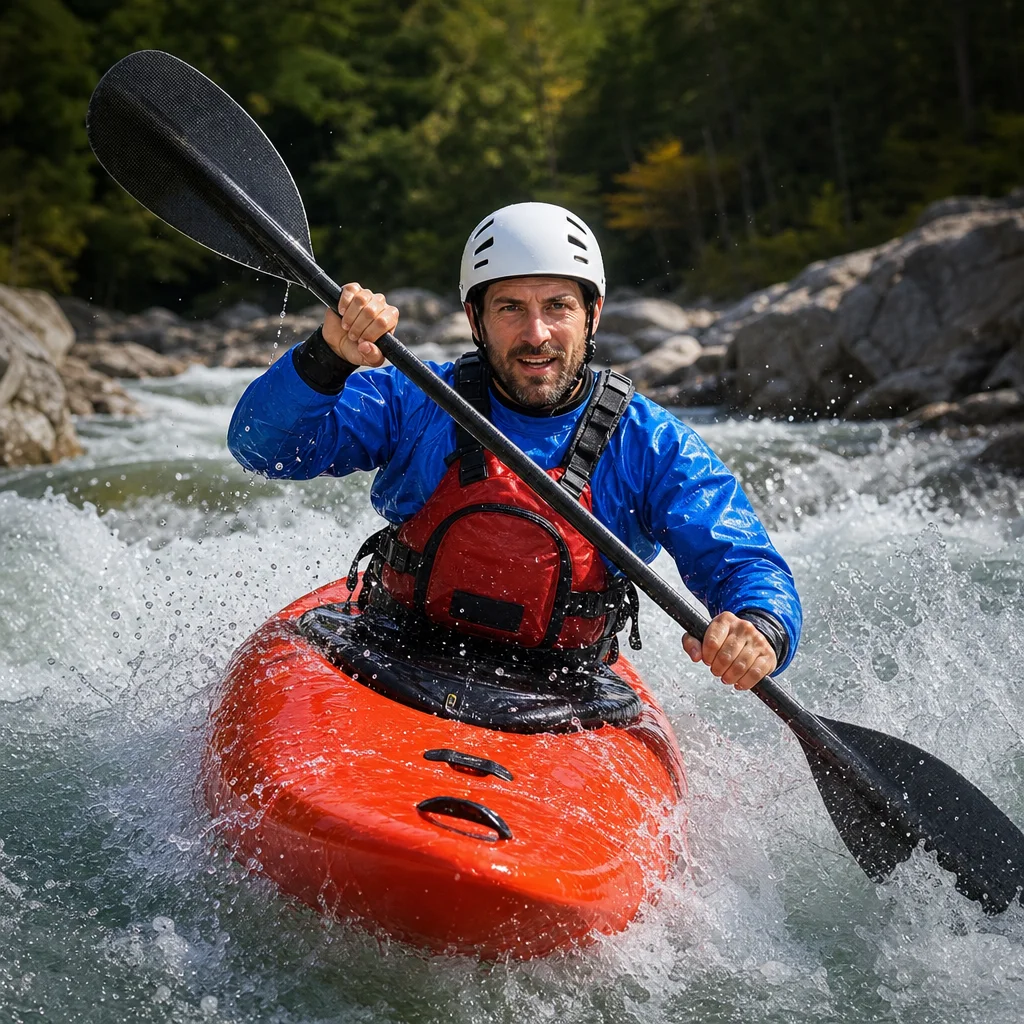
A headwind makes every stroke feel less productive. You may paddle harder, cover less distance, and gradually lose the relaxed technique that helps you stay balanced and in control. The answer usually isn’t to sprint through the wind. It’s to manage effort before fatigue forces poor decisions.
A sustainable approach combines an appropriate pace, efficient strokes, a stable posture, sensible route choices, and planned rest. These habits help you handle one difficult crossing and make your paddling more repeatable on future trips.
Start with a Pace You Can Maintain
Wind resistance increases your workload even when the water looks calm. If you respond by immediately paddling at maximum effort, you can burn through your strongest energy reserves early and struggle later.
Begin at a pace that feels deliberately easy. Your stroke may be slightly quicker than usual, but it shouldn’t feel like a sprint. You should be able to speak in short sentences without gasping. If your breathing becomes ragged within a few minutes, back off before fatigue affects your control.
A useful pattern is to settle into a steady effort for several minutes, then reassess:
- Are your shoulders still relaxed?
- Are you keeping the kayak on course without repeated corrective strokes?
- Is your breathing controlled?
- Can you maintain the same stroke quality?
If the answer to several of these questions is no, the pace is too high for the conditions or the distance remaining.
Paddling into wind is often easier when you think in terms of a controlled effort rather than a target speed. Your speed over the water may drop, but that doesn’t necessarily mean you’re paddling badly.
Use Shorter, Cleaner Strokes
A long, forceful stroke can feel powerful, but it often encourages you to reach too far, twist aggressively, or pull beyond the point where the blade is effective. Those movements waste energy and can place extra stress on your shoulders and lower back.
In a headwind, keep the working part of each stroke compact and consistent. Enter the blade near your feet, apply pressure through a comfortable range, and remove it around your hip rather than dragging it behind you. The exact position depends on your kayak, paddle, and technique, but the general goal is the same: finish the stroke before it becomes a braking movement.
Use your torso rotation and connection through your legs instead of pulling only with your arms. Keep your lower hand controlled and your upper hand at a comfortable height. If your top hand rises excessively or your elbows lock, you’re likely creating tension rather than useful power.
A slightly higher cadence with moderate force is often easier to sustain than slow, heavy strokes. Avoid chasing a particular stroke count, though. The right rhythm is the one that keeps the kayak moving while allowing you to stay relaxed and accurate.
Keep Your Posture Stable, Not Rigid
Leaning forward aggressively to “push through” the wind can compress your torso and make breathing harder. Leaning backward may reduce your ability to apply power and can make the kayak more difficult to steer.
Instead, sit tall with a neutral spine. Keep your head over your torso, your shoulders down, and your hips settled in the seat. Allow a small forward angle from the hips if it helps you engage your torso, but don’t collapse over your knees.
A relaxed posture supports efficient rotation and makes it easier to notice early signs of fatigue. It also helps you maintain reliable boat control when gusts change your direction.
Check your grip regularly. A white-knuckled grip is a common sign that you’re working too hard. Loosen your hands enough that the paddle remains secure without squeezing it continuously. Shake out one hand briefly when conditions allow, and reset your shoulders away from your ears.
Choose the Route That Costs Less Effort
The shortest route isn’t always the easiest route into a headwind. Wind can be stronger in exposed areas, near open water, or where it accelerates around points and gaps. A route with partial shelter may require a small detour but reduce the amount of time you spend fighting the strongest breeze.
Look for features that may provide some protection, such as:
- The downwind side of a shoreline
- Tree-lined sections, while staying clear of branches and debris
- Narrower channels with predictable water conditions
- Shorelines that let you take regular breaks without landing in an unsafe spot
Shelter isn't automatically safer. Gusts can become turbulent near cliffs, buildings, trees, and other obstacles. A calm-looking section may also end suddenly, exposing you to stronger wind farther ahead.
If you have flexibility, consider completing the harder upwind section while you’re fresh and returning with a following wind. This is a common planning principle, but it still requires caution: wind direction and strength can change, and a following wind may create larger waves or make steering more difficult.
Check the Wind Before Launching: Verify the current forecast, gust strength, expected direction, and any local advisories for your route. Compare those conditions with your experience, kayak type, distance from shore, and ability to turn back; don’t rely on a general forecast alone.
Use Landmarks Instead of Constantly Chasing Distance
A headwind can make progress feel discouraging when you focus on how slowly distant landmarks approach. Break the route into manageable sections using visible points such as a bend, beach, dock, or prominent shoreline feature.
Paddle steadily to one landmark, then take a brief posture and condition check. This gives you useful information without encouraging you to push continuously until you’re exhausted.
Avoid staring straight ahead for the entire trip. Check your course, but also scan for changing waves, boat traffic, floating debris, and areas where you could safely stop. A small course correction made early is usually less tiring than repeatedly making large corrections after the kayak has turned across the wind.
Plan Rest Before You Need It
Rest is more effective when it prevents fatigue rather than merely responding to it. If you wait until your arms are shaking or your back is painful, you may already have lost the reserve needed for a safe return.
Choose rest points before you launch when possible. Depending on the shoreline and conditions, that might mean a protected beach, a stable eddy, or a location where you can safely drift without interfering with other water users.
During a short pause:
- Keep the kayak pointed in a manageable direction.
- Secure the paddle so it won’t drift away.
- Relax your grip, shoulders, and jaw.
- Take controlled breaths and drink if you have water available.
- Check whether your next section is still realistic.
Avoid treating every pause as an opportunity to continue farther. If the wind is increasing, your technique is deteriorating, or you’re struggling to maintain direction, turn back or get off the water while you still have a comfortable margin.
Reduce Unnecessary Weight and Wind Resistance
Extra gear increases the effort required to move the kayak, and poorly packed equipment can make the boat harder to control. For a windy trip, carry the safety equipment, clothing, water, and communication items appropriate for the outing, but avoid packing casually chosen extras that add bulk without a clear purpose.
Keep heavier items low and reasonably centered. Secure everything so it can’t shift if the kayak rocks. Loose items can become distractions, and an unsecured load may be difficult or impossible to recover if it goes overboard.
Your clothing also affects fatigue. Overdressing can lead to overheating, while inadequate protection may cause you to tense your shoulders and hands. Choose layers that match the water and air conditions, and protect exposed skin from sun and wind. Water temperature is especially important because a capsize can become a serious problem even on a warm day.
Treat Fatigue as a Technique and Equipment Signal
Repeated fatigue in the same conditions may indicate more than a lack of fitness. It can reveal a technique problem, an uncomfortable seat position, an unsuitable paddle, or a kayak that carries too much weathercocking for your route and skill level.
After the trip, note what happened while the details are fresh:
- Where did fatigue begin?
- Did your shoulders, forearms, back, or legs tire first?
- Did the kayak repeatedly turn into or away from the wind?
- Were you taking frequent corrective strokes?
- Did your seat, footrests, or clothing become uncomfortable?
Use those observations to make one change at a time. A short technique lesson, a paddle adjustment, better foot support, or improved packing may do more than simply trying to paddle harder on the next outing.
Inspect your paddle and kayak as part of the same routine. Check for damage, loose fittings, worn deck lines, and equipment that no longer stays secure. Reliable gear won’t eliminate the work of paddling into wind, but it reduces avoidable problems when you’re already managing higher effort.
Know When to Turn Back
Turning back is a normal route decision, not a failure. Headwinds become more concerning when they combine with growing waves, cooling temperatures, poor visibility, busy traffic, or a long distance to shelter.
Turn around or seek assistance if you can’t maintain a safe heading, your strokes are becoming uncontrolled, you’re unusually cold or overheated, or you no longer feel confident completing the route. Don’t wait for exhaustion to make the decision for you.
Before leaving shore, tell someone where you’re going and when you expect to return. Carry the communication and safety equipment appropriate for your location and outing, and know how you’ll respond if conditions deteriorate.
Practical Next Steps
For your next windy paddle, keep the plan simple:
- Check the latest local conditions and choose a route with realistic escape points.
- Start at a sustainable pace instead of trying to preserve your usual speed.
- Use compact strokes, torso rotation, and a relaxed grip.
- Break the route into landmarks and take planned pauses.
- Reassess your technique, comfort, and equipment after the trip.
The goal isn't to defeat the wind. It’s to spend your effort where it produces useful movement, preserve enough energy for the return, and build a routine you can trust when the conditions are less cooperative.