How to Reduce Back and Shoulder Strain While Kayaking
I’ll show you how to reduce back and shoulder strain while kayaking by correcting the common mistake of pulling with your arms instead of adjusting posture, rotation, seat fit, warm-up, and stroke technique.
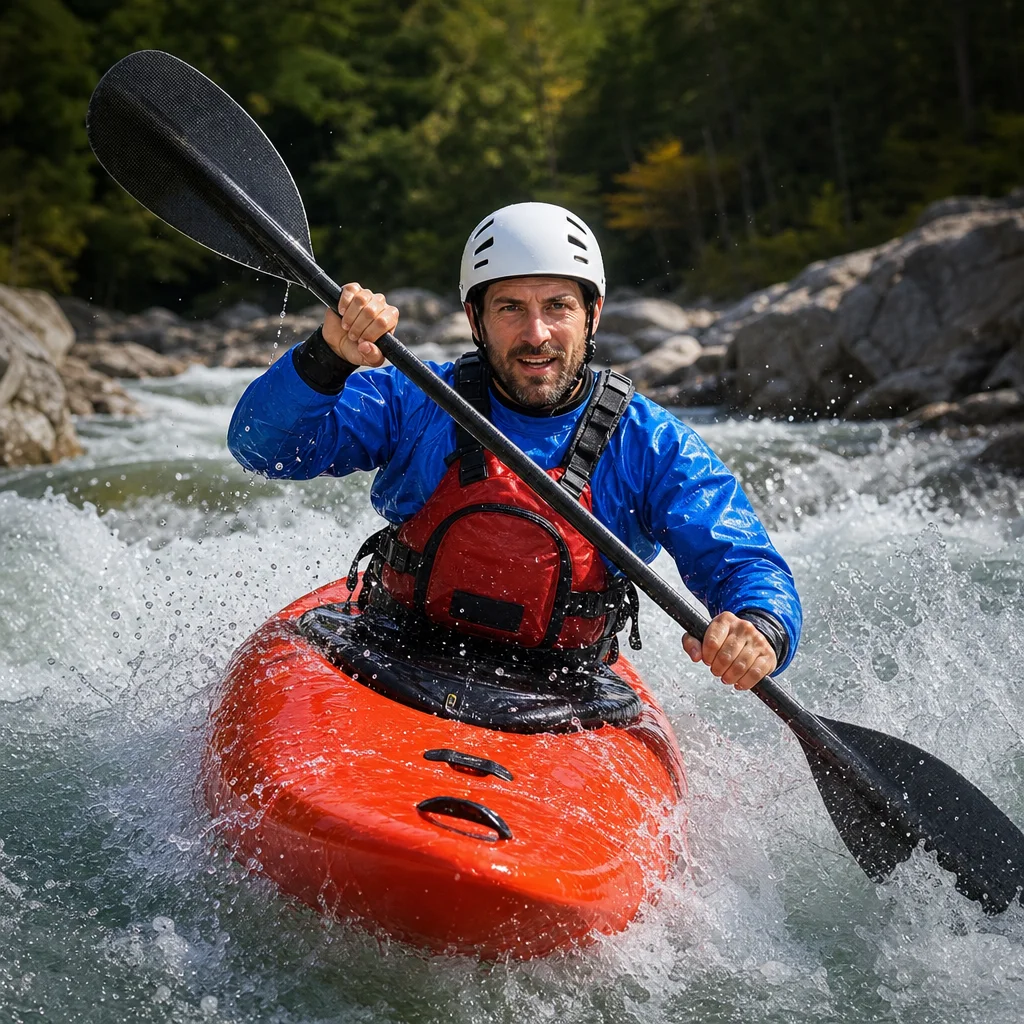
Back and shoulder discomfort can turn an easy paddle into a short, frustrating trip. The usual cause isn’t one bad stroke; it’s a combination of poor support, limited torso movement, an awkward seat position, and continuing after your body has started warning you.
You can often reduce strain by making small changes before and during the outing. The goal isn’t to force perfect technique. It’s to spread the work across your legs, torso, shoulders, and arms so no single area has to do everything.
Start by identifying the type of discomfort
Mild muscle fatigue that develops gradually is different from sharp, sudden, or worsening pain. General stiffness may improve when you adjust your position or take a short break. Pain that changes your stroke, causes weakness or numbness, or remains after you stop deserves more attention.
Notice when the discomfort begins and what seems to trigger it:
- Lower-back fatigue: Often connected with slumping, insufficient seat support, or paddling mainly from the lower back.
- Upper-back tightness: May come from rounded shoulders, a fixed torso, or holding the paddle too far away.
- Shoulder soreness: Frequently related to lifting the top hand too high, overreaching, or pulling with the arms alone.
- One-sided discomfort: Can indicate uneven posture, a seat adjustment issue, or a stroke that is stronger on one side.
A simple pattern is useful: note the location, the approximate point in the trip when it starts, and which movement makes it better or worse. That gives you something specific to change instead of randomly replacing equipment or pushing through.
Know when to stop: Treat safety and health guidance as situation-dependent. Stop paddling for sharp or escalating pain, loss of strength, numbness, dizziness, chest pain, or pain following an impact, and seek appropriate medical advice. Check current guidance from a qualified clinician or local paddling safety organization if you’re unsure whether a symptom is safe to work through.
Set up the kayak before you launch
A good stroke starts with a position you can maintain comfortably. If your seat is too loose, too reclined, or poorly supported, your body will try to create stability by tightening your back and shoulders.
Adjust the backrest for support, not rigidity
Your backrest should support you without forcing you into a rigid, upright pose. Sit tall enough that your chest can rotate, then use the backrest to support the lower and middle back lightly.
Avoid leaning heavily against a high backrest while trying to paddle. That position can restrict torso rotation and encourage you to reach with your shoulders. It can also make every stroke feel like an arm exercise.
Check leg and foot contact
Your feet and knees help connect your body to the kayak. Place your feet against the footrests or bulkhead with your knees comfortably bent. Keep light contact rather than bracing so hard that your hips and lower back stay tense.
If your knees are unsupported, you may twist or slide around while paddling. If they’re pressed tightly against the deck or thigh braces, you may over-tighten your hips and lower back. Adjust until you can stay stable while still breathing normally and moving your torso.
Keep your hips level
A seat cushion that tilts you to one side can create uneven loading through your back and shoulders. Check that the seat is centered and that straps, clothing, and gear aren’t pushing one hip higher than the other.
If you use a cushion or aftermarket seat support, make changes gradually. Raising yourself can alter your balance and make the kayak feel less stable. Test any adjustment close to shore in calm conditions before taking it on a longer trip.
Warm up the movements you’ll use
A short warm-up can prepare your shoulders, hips, and torso for repeated rotation. It doesn’t need to be elaborate. Before launching, walk for a few minutes and perform comfortable movements such as:
- Shoulder rolls in both directions
- Gentle torso rotations with your arms crossed
- Hip hinges while keeping your back neutral
- Arm swings through a pain-free range
- Several easy practice strokes on each side
The purpose is to raise your temperature and explore your range of motion, not to stretch aggressively. Avoid bouncing into a stretch or trying to force a stiff joint to move farther immediately before paddling.
If you’re returning after a long break, reduce the first outing’s duration and intensity. Your cardiovascular fitness may return faster than the tissues that handle repeated strokes, so an easy start is sensible even if you feel generally fit.
Use torso rotation instead of an arm-only pull
One of the most common causes of shoulder strain is treating the paddle like a pair of oars and pulling mostly with the lower arm. That can place repeated demand on the smaller muscles around the shoulder.
Instead, think of each stroke as a movement that begins with your torso and hips. Rotate your chest toward the side where the blade enters the water. Keep the lower arm relatively relaxed, then unwind your torso as the blade moves alongside the kayak.
Your arms still guide and control the paddle, but they shouldn’t be doing all the work. The top hand can move forward and slightly down while the lower hand stays connected to the stroke. Keep your elbows soft rather than locking them straight.
A useful check is to pause occasionally and ask:
- Are my shoulders staying relaxed?
- Can I feel my torso turning, or am I just bending my elbows?
- Is the paddle close enough to the kayak that I don’t need to reach?
- Am I maintaining a comfortable, even rhythm?
If your torso barely moves, shorten the stroke and reduce the effort. Rotation should be controlled and comfortable, not a forced twist from the lower back.
Keep the paddle within a comfortable reach
Overreaching is another common way to load the shoulder. A very long stroke may feel efficient because it moves more water, but placing the blade too far forward can pull your shoulder out of a strong position.
Enter the blade in front of you where you can keep the shoulder supported and the elbow slightly bent. Avoid reaching by lifting the shoulder toward your ear. As the blade travels back, exit around your hip rather than dragging it far behind you.
A shorter, smoother stroke is often easier on your body than a long, powerful stroke. You may travel slightly differently depending on your technique and kayak, but reducing strain is more important than chasing maximum distance on a recreational outing.
Adjust cadence and effort
Paddling hard at a low cadence can create high force with every stroke. If your back or shoulders are tiring, try using a slightly quicker rhythm with less pressure on each blade. Keep the stroke controlled and avoid splashing or yanking the paddle out of the water.
Take brief breaks before you feel depleted. During a pause, let your shoulders drop, change your leg position slightly, and check whether you’re leaning to one side. Frequent short resets are usually more useful than waiting until your muscles are already cramped.
Wind, current, and waves can also increase the load without making the distance seem much longer. In those conditions, reduce your pace and accept that progress may be slower. Fighting every movement with maximum force is a reliable way to turn manageable conditions into an exhausting trip.
Avoid common recovery mistakes
When discomfort appears, paddlers often make one of four unhelpful choices:
- Pushing through worsening pain: Fatigue is a reason to rest, not a challenge to overcome.
- Stopping completely without examining the setup: Rest may help temporarily, but a poorly adjusted seat can recreate the problem next time.
- Changing several things at once: If you replace the seat, paddle, and stroke technique together, you won’t know what helped.
- Stretching aggressively afterward: Gentle movement may feel good, but forcing a painful area can make recovery harder.
After a trip, note what you changed and how your body responded. On the next outing, test one adjustment at a time under easy conditions. If symptoms persist, recur quickly, or interfere with normal activities, get advice from a qualified healthcare professional rather than trying to diagnose the cause from paddling technique alone.
A simple plan for your next outing
Before launching, check that your seat is centered, your back is supported, and your feet and knees have light contact. Warm up with easy movement, then begin with relaxed strokes.
During the first several minutes, focus on torso rotation, a close blade path, and a comfortable cadence. Every so often, release unnecessary tension from your grip and shoulders. Take a short break at the first sign of accumulating strain rather than waiting for pain to force the decision.
For your next few trips, keep the distance modest and change only one variable at a time. A better seat position, smoother rotation, and earlier rest may be all you need to make paddling more comfortable. If they aren’t, persistent or significant symptoms are a reason to pause kayaking and seek professional guidance.