What to Do When Your Kayak Gets Caught in Floating Vegetation
I’ll clarify how to free a kayak from weeds, reeds, or floating plant mats without sacrificing stability or damaging your paddle. You’ll also learn when a slow, controlled retreat is wiser than forcing your way onward.
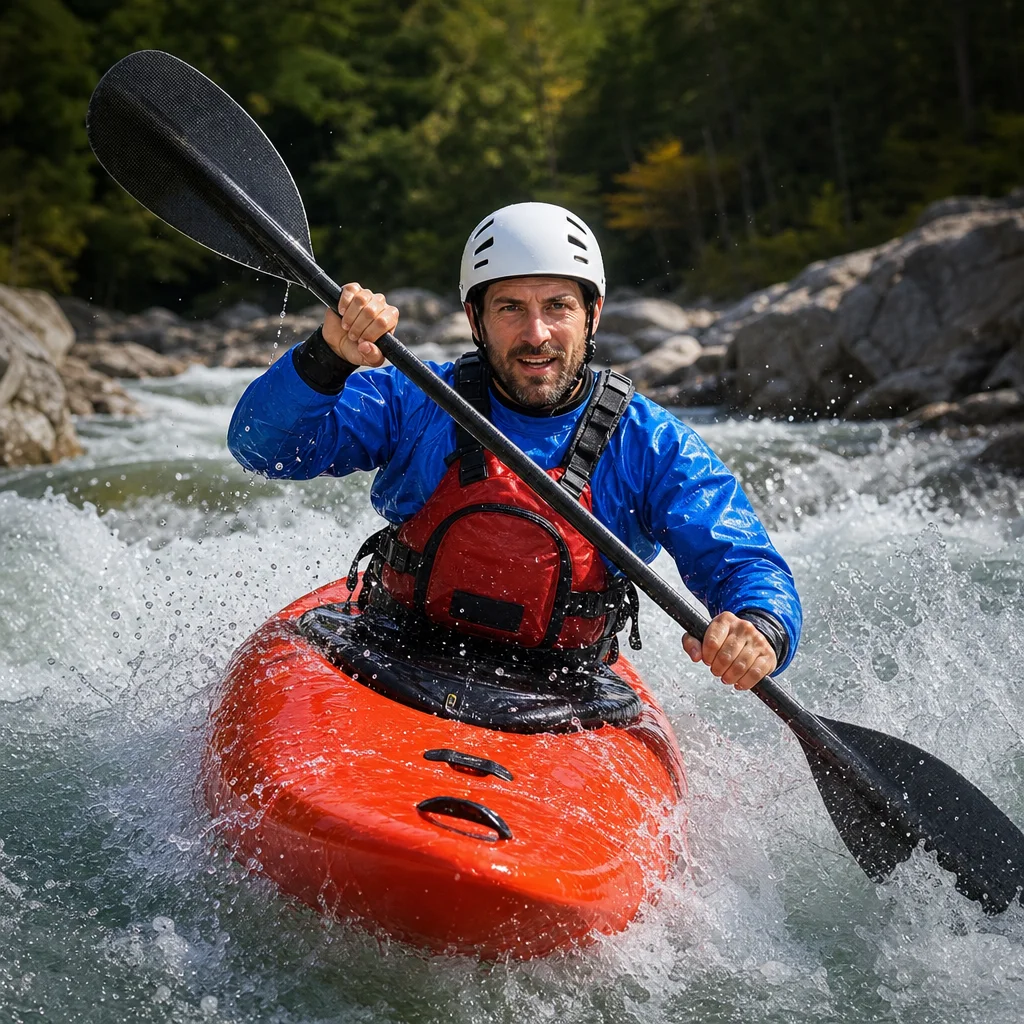
Floating vegetation can stop a kayak surprisingly quickly. A loose mat of weeds may collect around the bow, stern, paddle, rudder, or skeg, while tall reeds can hold the hull in place near shore. The safest response is usually calm and methodical: stop adding power, keep the kayak stable, and remove the obstruction a little at a time.
Your goal isn’t to muscle through. It’s to determine where the vegetation is holding the kayak, release it without capsizing, and decide whether the route is still sensible.
Stop paddling and stabilize the kayak
As soon as forward progress slows, stop taking forceful strokes. Continuing to paddle can wrap vegetation more tightly around the paddle, rudder, or drive components. It can also turn a minor obstruction into an awkward sideways position.
Keep your torso centered over the kayak. Avoid leaning far over the side to inspect the hull, especially in cold water, wind, or a narrow recreational kayak. If you’re wearing a spray skirt, keep it secured unless you need to exit. Your personal flotation device should remain fastened.
Take a moment to identify what has stopped you:
- A floating mat may be gathered around the bow or hull.
- Long weeds may be wrapped around the paddle shaft or blade.
- Reeds may be holding the kayak against the bottom or shoreline.
- A rudder or skeg may be clogged with plant material.
- The kayak may simply be resting on a shallow, soft bottom.
That last situation is important. What feels like weeds may actually be the hull touching bottom. Pushing harder can drive the kayak farther into mud or make you more likely to lose balance while trying to stand.
Free the paddle first
If weeds are caught on the paddle, bring the paddle close to the kayak and work deliberately. Don’t yank it sideways or pull hard against a thick bundle. A sudden release can throw your upper body off-center, and excessive force can damage a blade, shaft, or ferrule.
Try these steps:
- Stop using the paddle for propulsion.
- Lift the affected blade clear of the water if you can do so without leaning.
- Rotate the shaft slowly to loosen strands wrapped around it.
- Use the clean blade or shaft to peel vegetation away from the clogged blade.
- Place the paddle across the kayak or hold it securely before dealing with the hull.
If the paddle is trapped beneath a dense mat, don’t put your hand into the vegetation while the blade is under tension. Release pressure first, then work the blade free with small movements. Hidden branches, fishing line, hooks, and sharp plant stems can be mixed into floating debris.
A paddle should help you make controlled movements, not serve as a pole for levering the entire kayak off the bottom. Bracing hard against a buried blade can damage the paddle or pull you into the water.
Try a gentle reverse stroke
Once the paddle is clear, attempt to back out along the path you used to enter. Reverse strokes are often more effective than continuing forward because they pull the bow away from the vegetation that has collected in front of it.
Use short, moderate strokes on alternating sides. Keep your elbows and shoulders relaxed, and stop if the kayak doesn’t move after a few strokes. Harder paddling can compact floating weeds against the bow and make steering less predictable.
If the kayak begins to turn, follow the direction that offers the clearest water rather than trying to maintain a straight line. A small angle may let the hull slide out of the vegetation. Keep your weight centered while making corrective strokes.
You can also try a gentle sweep stroke on the clearer side of the kayak. This turns the bow toward open water without requiring you to reach deeply into the mat. Avoid leaning your body outward to make a larger stroke.
Clear the bow and sides without standing
If reverse strokes don’t work, use the paddle to move vegetation away from the bow and sides. Push the mat aside with the broad face of the blade, using controlled pressure. Work in small sections instead of trying to clear the entire kayak at once.
For long strands around the hull, a slow forward-and-back motion may loosen them. Keep the paddle close to the surface and avoid stabbing downward, where it could catch on the bottom or hidden debris.
Don’t stand in the kayak to reach the bow or stern. Even in shallow water, the bottom may be soft, uneven, or deeper than it appears. Standing also removes the stable seated position that gives you the best chance of recovering from a sudden shift.
If you must reach toward the front, stay seated and keep at least one point of support through the paddle. Move only as far as you can without lifting your hips or twisting sharply.
Check the rudder, skeg, or other equipment
A rudder or deployable skeg can collect weeds and make the kayak difficult to turn or move. If your kayak has one, retract it according to the equipment’s normal operating method. Don’t force a control cable or lever if it feels jammed.
Once you’re in clearer water, inspect the component from a stable seated position. Remove loose vegetation only when the kayak is steady and your hands are clear of sharp objects or fishing line. If a rudder remains jammed, you may be able to continue using paddle strokes, but steering will require more space and attention.
A skeg that won’t retract, a rudder that won’t move, or a damaged control line is a reason to shorten the trip. In narrow channels or windy open water, reduced steering control can turn a manageable problem into a recovery situation.
Check the waterway’s access rules: Before pushing into dense vegetation or landing to clear equipment, confirm any current local restrictions, protected-area rules, seasonal closures, and launch or shoreline requirements. Rules differ among lakes, marshes, wildlife areas, and managed waterways in the Midwest and Southeast.
When getting out is reasonable—and when it isn’t
Sometimes the safest way to free a kayak is to exit in shallow water, but that choice requires more than seeing the bottom. Consider water temperature, current, depth, mud, submerged branches, wildlife, boat traffic, and the condition of your footwear.
If you decide an exit is necessary, move to a stable, shallow area with a clear landing spot. Keep your paddle and loose gear secured. Hold the kayak while stepping out, and avoid putting weight on a soft bottom where your foot could become stuck.
For many beginners, staying seated and calling for assistance is safer than wading into an unfamiliar marsh. If you’re alone, cold, tired, or uncertain about the bottom, don’t turn a vegetation problem into a swim.
Don't continue forcing the kayak if:
- The hull is taking on water or has visible damage.
- You can’t control the rudder or steering system in the conditions.
- The paddle is damaged or still tangled.
- Wind or current is pushing you away from a safe route.
- You’re becoming cold, fatigued, or anxious.
- The vegetation is hiding fishing line, branches, or other hazards.
- You would need to stand, climb onto the bow, or lean far outside the kayak.
If you’re carrying a phone or communication device, keep it accessible before entering areas where a recovery may be difficult. Tell someone your planned route and expected return time on trips where you may be out of sight or beyond easy shore access.
Decide whether to continue
After you’re free, move into open water and reassess rather than immediately returning to the same passage. Check whether the paddle, rudder, skeg, foot braces, and hull are working normally. Look for weeds still wrapped around the kayak, especially near the stern and steering hardware.
Continuing may be reasonable when the kayak is undamaged, you have good control, the water and weather remain manageable, and a clear alternative route is available. Keep your strokes light near the edge of the vegetation, and approach future mats at a shallow angle when possible.
Turn back or choose a safer exit when the obstruction is widespread, the route is narrowing, or you have to repeatedly stop and clear equipment. A short, uneventful return is better than spending the rest of the outing fighting plants in a confined channel.
Prevent the next stoppage
You can reduce the chance of getting stuck with a few simple habits:
- Scan ahead for dense mats, reed edges, and narrowing passages.
- Favor open water when wind is pushing floating vegetation across your route.
- Keep the paddle blade near the surface in weedy areas.
- Learn how to retract and inspect your kayak’s rudder or skeg before the trip.
- Carry a small towel or gloves for handling wet gear, while avoiding contact with unknown debris.
- Leave enough time and daylight for a slow return.
- Treat unfamiliar marsh channels as navigation problems, not challenges to push through.
When vegetation stops your kayak, pause before applying more power. Clear the paddle, back out gently, protect your balance, and inspect the kayak once you reach open water. If freeing the boat requires risky movement or the conditions are deteriorating, end the outing. The best recovery is the one that keeps a small obstruction from becoming an emergency.