What to Do When Your Kayak Gets Stuck in Shallow Mud
Paddling harder can free a kayak—or bury it deeper. I’ll explain how to assess shallow mud, use controlled movements to release the hull, and recognize when waiting for water or calling for help is the safer choice.
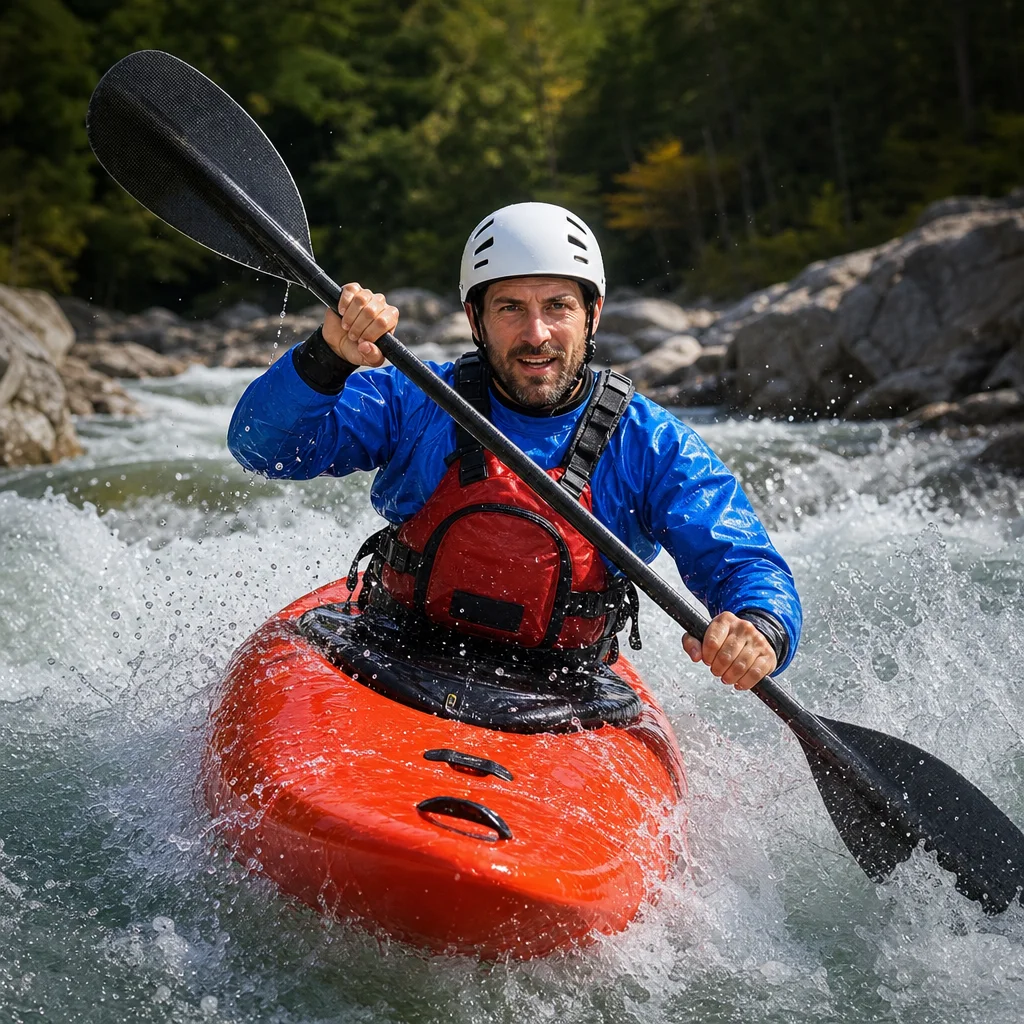
Getting stuck in shallow mud is usually more frustrating than dangerous—until you start forcing the boat, stand in unstable ground, or ignore a falling tide. The safest recovery is controlled and gradual: stop making the problem worse, determine what is holding the kayak, then choose the least strenuous way to reduce the hull’s suction and resistance.
Stop and assess the situation
Stop paddling as soon as you realize the kayak is grounded. Continued forward strokes can push the bow farther into the mud, while frantic reverse strokes may only churn the bottom around the hull.
Keep your paddle across the kayak or use it as a light stabilizing brace. Check these points before attempting to move:
- Is the kayak resting on soft mud, or is it caught on a hard obstruction such as a rock, branch, or submerged log?
- Is the boat level, or is one side sinking more deeply?
- Are you drifting toward a channel, bank, current, or nearby boat traffic?
- Is the tide rising or falling if you’re on a tidal flat or coastal wetland?
- Can you reach deeper water with a paddle stroke, or is the entire area too shallow?
If the boat is taking on water, the hull is damaged, you’re injured, or you’re being carried toward a hazard, deal with that problem first. Put on or tighten your personal flotation device, call for assistance if necessary, and avoid spending all your energy on self-recovery.
Check the water’s direction before you pull: On tidal flats and moving wetlands, confirm the current tide, wind, and local access or navigation guidance before committing to a long recovery attempt. A kayak that is merely grounded on rising water may refloat, while a falling tide can leave you farther from safe water.
Try to reverse out before using force
The first recovery attempt should be a gentle reverse. Keep your torso centered and use short, controlled backward strokes on alternating sides. The goal is to ease the hull along its existing track, not to dig a new trench.
If the bow is buried, angle the kayak slightly rather than pulling straight backward with maximum effort. A small change in direction can free one edge of the hull and reduce the mud’s grip. Make a few strokes, pause, and check whether the boat has moved. Repeatedly paddling without checking can turn a minor grounding into a deeper one.
For a kayak with a skeg, retract it completely. A deployed skeg can drag through soft bottom material and make backing out harder. If the kayak has a rudder, lift it if possible before reversing. Never force a rudder or skeg that appears jammed; clear it only when you can do so safely and without putting your hands near sharp debris.
Rock the kayak gently
If reverse strokes don’t work, use small weight shifts to loosen the hull. Keep your movements deliberate and stay low in the kayak.
Shift your weight a little from side to side, allowing the hull to rock rather than sharply tipping it. You can also lean slightly forward and backward to change which part of the hull is pressing into the mud. Follow each movement with a short reverse stroke while the boat is at a new angle.
This works best when the kayak is lightly grounded. Stop if the boat begins to tilt significantly, if the cockpit rim approaches the water, or if your paddle can’t provide reliable support. A kayak that is heavily embedded may become less stable as you rock it, especially in a narrow, loaded touring boat.
Use the paddle for leverage carefully
A paddle can help you create a small amount of leverage, but it is easy to damage a shaft, blade, deck fitting, or your shoulder if you treat it like a pry bar.
Place the paddle blade on firmer bottom material to the side or slightly behind the kayak. Keep the shaft close to the boat and push gradually while making a small reverse stroke. Use the paddle as a broad support point, not as a rigid pole driven forcefully into the mud.
Avoid jamming the blade under the hull and twisting hard. The blade may snap, the shaft may bend, or the kayak may lurch sideways. If the bottom is too soft to support the blade, this method won’t provide useful leverage and may simply bury the paddle.
A partner in another kayak can sometimes help by towing from a suitable bow or stern attachment point. The helper should pull smoothly and stay clear of loose lines. Don't connect a tow to a grab loop unless the manufacturer specifically identifies it as a towing point; some loops are intended only for carrying or handling the empty kayak.
Reduce the boat’s load only when it helps
Removing heavy equipment can make a noticeable difference, particularly when the kayak is loaded for camping or the hull is sitting deep in mud. Move items carefully into another boat, onto a stable bank, or into a dry bag that can remain secure while you work.
Keep essential safety equipment with you, including your flotation device, communication device, paddle, and any equipment needed to manage changing conditions. Don’t unload gear into the water where it can float away or become a hazard.
If you’re paddling with a partner, the other paddler may be able to take some equipment or provide a steady tow. Coordinate before moving anything so the helper doesn’t get pulled off balance.
Decide whether getting out is safe
Leaving the kayak can sometimes free it, but stepping into mud isn't automatically the best solution. Soft sediment can hide rocks, shells, broken objects, deep channels, and plant roots. In tidal areas, water can return around your legs while the kayak remains difficult to move.
Don't stand up in a sit-inside kayak unless you’re in a controlled, stable position and have a clear plan. Standing in shallow water beside the boat can also be risky if you lose balance or become stuck. If you must exit, keep your personal flotation device on, move slowly, maintain contact with the kayak, and avoid pulling yourself upright by a weak deck fitting.
For a sit-on-top kayak, climbing off may be simpler, but the same hazards remain. Test the bottom with your paddle before placing a foot down, and don’t put your legs into mud you can’t safely escape. If the sediment grips your feet or legs, lower your body, spread your weight, and work back toward firmer ground rather than yanking upward.
When the mud is deep, the tide is moving, or you’re alone in an isolated area, staying with the kayak and waiting for assistance or higher water may be safer than wading out.
Know when to wait or call for help
A grounded kayak doesn’t always need immediate extraction. If the boat is stable, you’re not being exposed to a dangerous current or weather, and the water is expected to rise soon, waiting may conserve energy and protect the hull. Secure loose gear, monitor your position, and keep your communication device accessible.
Waiting isn't a good plan if the tide is falling, temperatures are dropping, darkness is approaching, storms are building, or you’re drifting toward a hazard. Contact a paddling partner, outfitter, harbor or park service, or emergency services according to the seriousness of the situation and your location.
Give rescuers useful information: your position, the type and color of your kayak, the water conditions, whether anyone is injured, and whether the boat is taking on water. If you’re in a tidal area, mention the direction and timing of the tide if you know it.
Avoid these common recovery mistakes
Pushing harder with the paddle
Forceful strokes often drive the kayak deeper or damage the paddle. Use short movements and reassess after each attempt.
Pulling on deck lines or fittings
Deck lines and carrying handles aren’t automatically rated for towing. Pull from a manufacturer-approved point, or have a qualified helper use a suitable tow system.
Dragging the hull across hard ground
Dragging over gravel, oyster beds, rocks, or dry hard-packed sediment can scratch or gouge the hull. If the kayak is empty and needs to be moved, lift it with help whenever practical. A short drag over soft, clean mud is less damaging than dragging over abrasive material, but it should still be a last resort.
Standing without checking the bottom
Shallow water can look harmless while hiding unstable mud or obstructions. Maintain three points of contact where possible, keep your weight low, and avoid wading if you can’t identify a safe route.
Ignoring the return trip
A route that is passable at high water may be blocked at low water. On tidal flats and wetlands, plan both directions of the trip rather than relying on the conditions you see at launch.
A simple recovery sequence
When your kayak is stuck in shallow mud, use this order:
- Stop paddling and stabilize the boat.
- Check for damage, obstructions, current, tide, weather, and nearby hazards.
- Retract the skeg and lift the rudder if appropriate.
- Try short reverse strokes along the kayak’s existing track.
- Add gentle side-to-side or forward-and-back weight shifts.
- Use the paddle for light leverage only if the bottom can support it.
- Remove nonessential weight or accept a smooth tow from a suitable attachment point.
- Exit only when the bottom, conditions, and route are reasonably safe.
- Wait or call for help when continued effort increases your risk.
After you’re free, rinse mud from the hull, rudder, skeg, foot controls, and paddle joints with fresh water when practical. Check the hull, fittings, and control lines for cracks, looseness, or distortion before the next trip. The best recovery is the one that gets both you and the kayak back into deeper water without turning a shallow grounding into a damaged boat or a personal emergency.