What to Do When Your Kayak Rudder Won't Deploy
A rudder that won't deploy can turn a manageable paddle into a control problem, especially in wind or current. I’ll help you identify the likely cause, free the system without creating a new hazard, and decide whether to continue or head back.
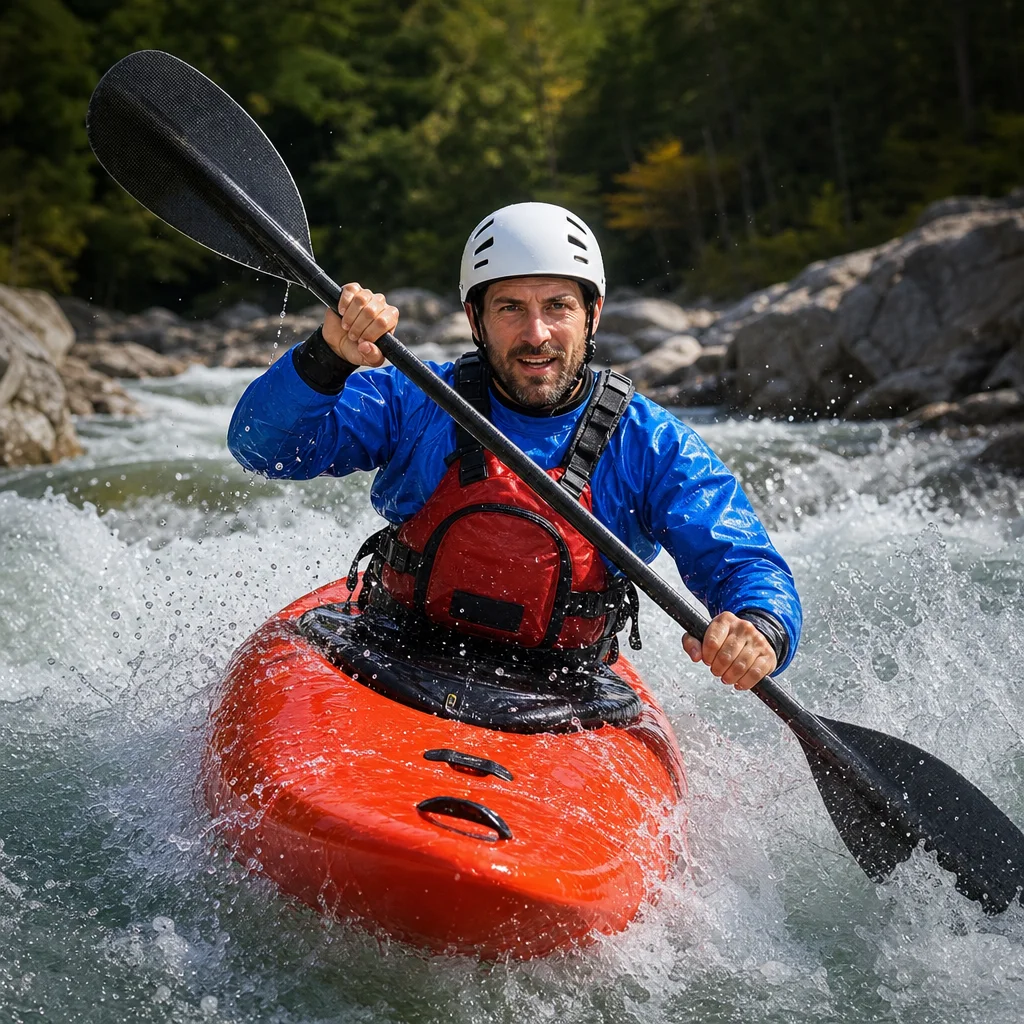
A rudder that won't deploy is usually a mechanical problem, but the important decision isn't simply how to fix it. You also need to know whether you can control the kayak safely without the rudder, given the wind, current, distance from shore, and conditions around you.
Most rudder failures come from a blocked blade, a jammed deployment line, a control line that has slipped, or a problem with the foot-control system. Work through the checks in order, and avoid making adjustments that leave you less stable or unable to steer.
First, decide whether to stop troubleshooting
If you are in breaking waves, strong current, heavy boat traffic, cold water, or rapidly changing weather, treat the failed rudder as a reason to reduce exposure rather than as a repair challenge. Paddle toward a safe landing area using your primary strokes, and avoid moving around in the kayak to reach the mechanism.
If the kayak remains stable and you are in sheltered water, you can inspect the system from your normal seated position. Keep your paddle across your lap or in your hands when possible. A kayak that is drifting while you lean over can become harder to control than one with a non-deployed rudder.
Check your route before continuing: Reassess wind direction, current, distance to shore, water temperature, traffic, and your ability to return without the rudder. If conditions exceed your skills or safety plan, head back rather than attempting an on-water repair.
Understand what “won't deploy” means
Before pulling harder on any control, identify which part of the system has failed. Rudder arrangements vary, but most have these components:
- A rudder blade mounted at the stern
- A deployment or up-down line, often routed to a cleat or cockpit control
- Steering lines connected to foot pedals or foot braces
- A lifting cord, bungee, or retaining system that holds the blade up
- A pin, pivot, or bracket allowing the blade to swing into the water
The blade may be stuck fully up, partly lowered, or apparently down but unable to reach the water. Each condition points to a different problem.
If the blade lowers but the kayak doesn't respond to the foot controls, the deployment problem may be separate from the steering problem. Don't assume that a visible rudder is a functional rudder.
Try the low-risk checks first
1. Release excess tension
A deployment line can bind when it is pulled at an angle or held under too much tension. Ease the line slightly, then try a smooth, controlled movement rather than a sharp tug. If the line is secured in a cleat, release it carefully while keeping hold of the free end.
Don't pull with your full strength. A stuck blade may be caught on an obstruction, and excessive force can stretch or break the line, damage the bracket, or leave the rudder deployed with no way to raise it.
2. Look for weeds, fishing line, or debris
A rudder blade can catch floating weeds, submerged vegetation, fishing line, or a small branch. From the cockpit, look behind the kayak if you can do so without twisting or leaning dangerously. A paddling partner can inspect the stern while you keep the kayak pointed into a manageable direction.
Never place your hand near a blade or pivot while someone else is operating the deployment control. Rudders can move suddenly when tension is released.
If the obstruction is within easy reach and the kayak is stable, remove only what you can clear without entering the water or reaching far behind you. If the line is wrapped around the blade or shaft, stop pulling. Cutting a line on the water may solve one problem while disabling the entire system.
3. Check the retaining line or bungee
Some rudders are held in the raised position by a bungee, shock cord, or small retaining loop. That cord can become twisted, trapped under the blade, or caught on a fitting. Look for obvious crossings or loops that prevent the blade from pivoting.
Don't dismantle the rudder bracket on the water. Small washers, pins, and fittings are easy to lose, and a partially disassembled rudder can create a snag or leak problem.
4. Inspect the control line at the cockpit
If the deployment line moves freely but the rudder doesn't, the line may have slipped from a cleat, stretched, broken, or separated from the stern fitting. If the line moves with little resistance, it may no longer be connected to the blade.
Tie or secure a loose line only if doing so doesn't interfere with your paddle, feet, spray skirt, hatch, or exit. Avoid improvising a knot that could jam the line in a position you can't release.
If the rudder deploys but steering still fails
A deployed blade doesn't automatically provide directional control. Check whether your foot pedals or toe controls move the steering lines. Push one control gently and observe whether the other side responds. The lines should move without severe slack, grinding, or binding.
A steering line that has come loose may leave the rudder centered, which is usually less troublesome than a rudder stuck hard to one side. If the blade is angled and the kayak continually turns, use small corrective strokes rather than trying to force the foot controls.
Don't pull both steering controls aggressively. You may tighten one line while overloading the other, especially if the system has a jam at the stern.
Decide whether you can continue without the rudder
A rudder helps a kayak track, reduces the effort needed to correct yaw, and makes some boats easier to control in wind. It isn't the primary steering system for most kayaks. Forward strokes, sweep strokes, reverse strokes, edging, and a controlled stopping position still matter.
Continuing may be reasonable when:
- The kayak is stable and responds predictably to paddle strokes
- The water is sheltered enough for your skill level
- You can maintain a safe heading without constant struggle
- You have enough time, energy, and daylight to return
- Wind and current won't carry you away from your intended landing
Head back, land, or request assistance when:
- The bow repeatedly swings off course despite corrective strokes
- You must lean or twist heavily to keep the kayak pointed safely
- Wind is pushing you toward hazards, open water, or a difficult shore
- You are tired, cold, separated from your group, or far from an easy landing
- The rudder is dragging, partly deployed, or creating a snag risk
A rudder failure is more significant on a heavily loaded touring kayak, in crosswinds, or when paddling a boat designed to rely strongly on its rudder for tracking. Test your control in open, low-risk water before committing to a longer crossing or exposed shoreline.
Temporary adjustments on the water
If the deployment line is intact but the blade won't stay down, you may be able to hold the line in its normal cleat or control position long enough to reach shore. Do this only if the line remains clear and the adjustment doesn't interfere with your feet or paddle.
If the rudder is partly deployed and dragging, raising it may be safer than leaving it in an unstable position. Again, use gentle control. A blade that is caught under the hull or in vegetation may require a shore-based inspection rather than more force.
Avoid permanent-looking repairs with loose cord, tape, or straps while afloat. Anything hanging near the stern can catch on branches, fishing gear, or other boats. Temporary repairs should help you reach a safe landing, not restore normal performance for the rest of the trip.
Once ashore, inspect the whole system
Rinse the rudder and deployment hardware with fresh water if you have been in salt water or muddy water. Then inspect the system in good light:
- Move the deployment line through its full range and look for fraying, flattened sections, and knots.
- Check the rudder blade for bends, cracks, sharp edges, and damage near the pivot.
- Confirm that the pivot pin, bracket, and retaining hardware are present and secure.
- Operate the foot controls while watching the steering lines.
- Look for line crossings, excessive slack, and worn guides.
- Check whether the blade reaches its designed up and down positions without rubbing the hull.
Replace damaged line with the correct type and diameter for your rudder system. A line that looks similar may stretch too much, slip through a cleat, or fail to fit the existing hardware. If the bracket is bent or the blade is cracked, repair or replace it before relying on the rudder again.
Prevent the same failure
Before each trip, lower and raise the rudder while the kayak is on land or in shallow, controlled water. Confirm that the blade moves smoothly and that the control line holds its position. Check the steering response by moving both foot controls through their normal range.
Carry a simple repair kit suited to your boat, such as spare cord, a small knife, replacement line if you know the correct specification, and basic fasteners appropriate to the rudder system. Keep the kit accessible rather than buried in a hatch you can't safely open in rough water.
Most importantly, practice rudder-free control in calm water. Learn how much sweep, edging, and corrective effort your kayak needs. That knowledge turns a failed rudder from an unfamiliar emergency into a manageable change in technique.
Practical next steps
When your rudder won't deploy, stop pulling blindly and first protect your stability and position. Check for an obstruction, release excess line tension, and identify whether the failure is in deployment or steering. If the kayak remains predictable and conditions are mild, continue only far enough to reach a sensible landing. Once ashore, inspect the blade, pivot, lines, and foot controls before using the system on another exposed trip.