How to Choose a Kayak for Calm Coastal Bays and Inlets
Calm coastal water still demands a kayak that balances stability, tracking, storage, and safety without paying for features you won’t use. I’ll help you prioritize the characteristics that matter most for sheltered bays and inlets along the Atlantic and Gulf coasts.
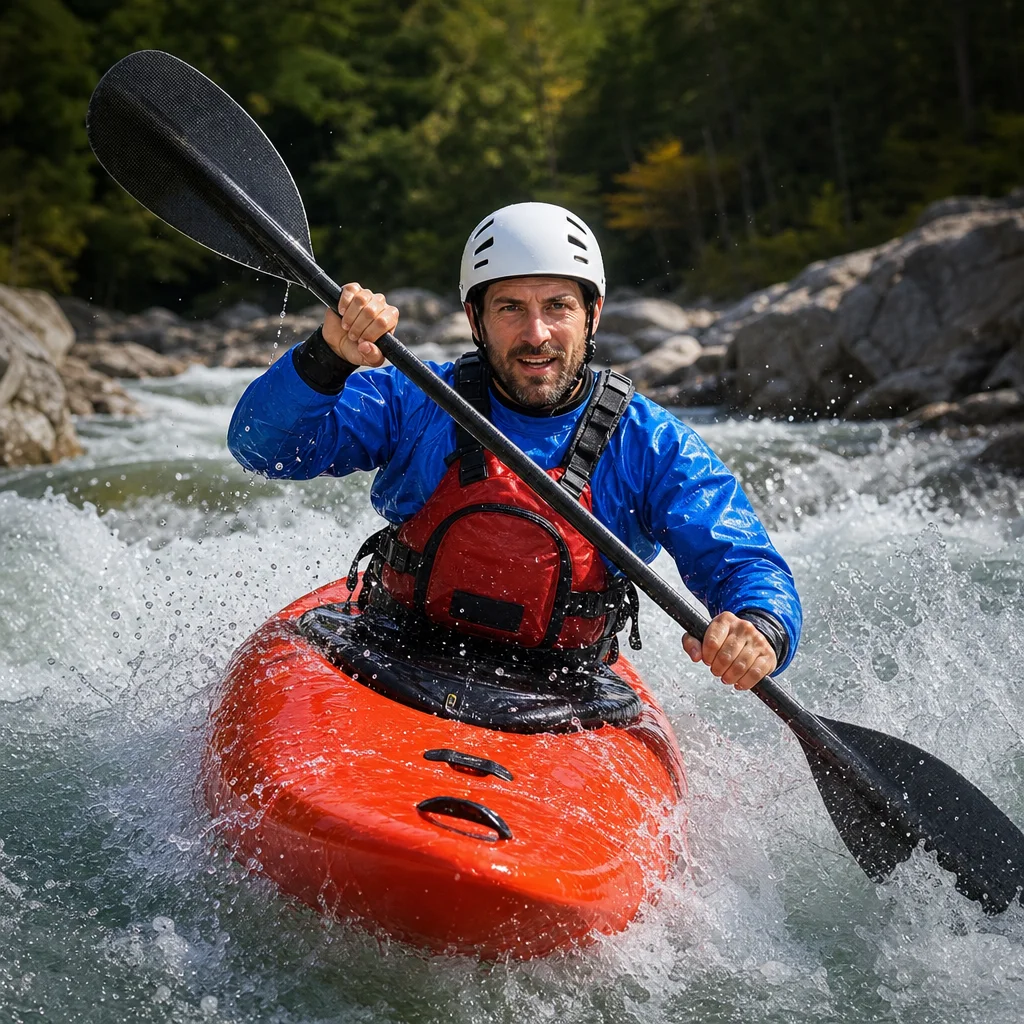
Choosing a kayak for a sheltered bay or inlet can seem straightforward until you compare hull shapes, lengths, cockpit designs, and storage systems. “Calm water” narrows the field, but it doesn’t eliminate important decisions. Wind, tidal currents, boat wakes, saltwater corrosion, and the distance back to shore all affect which kayak is a sensible choice.
For most beginner coastal paddlers, the best value isn't the longest touring kayak or the cheapest recreational model. It’s a stable, manageable kayak with enough tracking, storage, and safety capacity for the trips you realistically plan to take.
Start with the water and your likely trips
Sheltered coastal water can range from a quiet marsh creek to a broad bay exposed to afternoon wind. An inlet may look protected from shore but still have moving water, boat traffic, and awkward conditions near bridges, channels, or tidal entrances.
Before comparing kayaks, define your typical outing:
- Will you paddle close to shore or cross open sections of a bay?
- Will you go out for an hour or carry equipment for half a day?
- Will you launch from a sandy beach, a ramp, a dock, or a rocky shoreline?
- Will you paddle alone, with a group, or with an experienced partner?
- Do you expect to fish, photograph wildlife, or carry camping equipment?
A short recreational kayak can be excellent for protected creeks and easy shoreline outings. It may feel less comfortable, however, when wind pushes across a wide bay. A longer kayak usually covers distance more efficiently and holds its course better, but it may cost more, weigh more, and be harder to transport and store.
The cheapest kayak isn't necessarily the most economical choice if it limits where you can paddle or becomes difficult to handle after every outing.
Choose between a sit-on-top and a sit-inside kayak
Both designs can work in calm coastal areas. The better choice depends on how you value ease of use, weather protection, and recovery after a capsize.
Sit-on-top kayaks: simple and forgiving
A sit-on-top kayak leaves your legs and hips above the hull. If you capsize, you generally fall clear of the boat rather than remaining inside a cockpit. Many beginners also find it easier to get on and off a sit-on-top at a beach or low dock.
Other advantages include:
- Easy entry and exit
- No cockpit to fill with water around your legs
- Open space for a cooler, fishing equipment, or a small dry bag
- Straightforward self-draining scupper holes
- Comfortable use in warm weather
The trade-off is that you should expect to get wet. A sit-on-top may also feel less protected in cool wind or rain, and an open deck requires you to secure gear carefully. A wide fishing-style sit-on-top can be stable but heavy, particularly when carrying it from a vehicle to the launch.
Sit-inside kayaks: drier and often more efficient
A sit-inside kayak places your lower body inside a cockpit. A properly sized cockpit can provide a more connected feel, help you control the kayak with your legs, and offer some protection from spray and cool air.
Sit-inside kayaks often make sense when you want to paddle farther, stay drier, or carry gear inside sealed compartments. They can also be easier to move through the water efficiently than very wide recreational sit-on-tops.
The trade-offs are more involved entry and exit, less open deck space, and a greater need to understand how to handle a flooded or overturned kayak. If you choose a sit-inside design for coastal use, learn basic wet-exit and self-rescue skills rather than assuming the cockpit will keep you safe in every situation.
A recreational sit-inside kayak with a large cockpit is usually more approachable for a beginner than a narrow performance or expedition design. A spray skirt may help keep water out, but it also makes wet-exit practice more important.
Prioritize stability, but understand the trade-off
Stability is usually the first concern for a new coastal paddler. A kayak that feels predictable makes it easier to relax, paddle efficiently, and look around without constantly correcting your balance.
Initial stability
Initial stability is the steady, level feel you notice when you first sit in the kayak. A wider hull and flatter bottom often produce a reassuring platform. This is useful for beginners, casual photography, fishing, and getting in or out near shore.
A very stable kayak can still be affected by wind and waves. Stability doesn't make a kayak immune to capsizing, and a broad, high-sided design may catch more wind than a lower-profile hull.
Secondary stability
Secondary stability describes how the kayak behaves as it leans farther. Some narrower kayaks feel lively at first but become supportive when edged. Others feel extremely stable until they reach a tipping point.
You don’t need to analyze hull theory in detail before buying, but you should test the kayak if possible. Sit in your normal paddling position, adjust the foot supports, and make small controlled movements. The kayak should feel stable without preventing you from turning or leaning naturally.
Avoid choosing the widest kayak solely because it feels hardest to tip in a showroom. Width can add weight, drag, and transport difficulty. Choose enough stability for your balance, activities, and conditions—not the maximum available.
Balance tracking and maneuverability
Tracking is a kayak’s tendency to continue moving in a straight line. Good tracking can reduce zigzagging and make longer shoreline routes less tiring. It’s particularly helpful when wind or small waves make every stroke less precise.
Longer kayaks and those with a pronounced keel or a rudder generally track well. The downside is that they can be slower to turn, especially in narrow creeks or around docks.
Shorter recreational kayaks are usually easier to maneuver. That helps when exploring marsh edges, turning around in a small cove, or correcting your course near obstacles. They may require more frequent steering strokes on an open stretch of water.
A built-in skeg or rudder can improve control, but neither replaces good paddling technique. A rudder adds hardware that can be damaged during transport or in shallow water. A retractable skeg can help a kayak hold its course while preserving maneuverability when raised, but it also requires care.
For mixed bay and inlet use, moderate length and moderate tracking are often a better value than an extreme design. You want a kayak that turns without a struggle but doesn’t wander every time the breeze changes.
Check storage against the trips you actually take
Storage capacity is useful only when you can keep the contents dry, balanced, and accessible.
A kayak with sealed bulkheads and hatches is better suited to carrying clothing, food, first-aid supplies, and other equipment that must remain dry. A large open tank well on a sit-on-top can hold a cooler or deck bag, but anything stored there should be secured and protected in appropriate waterproof containers.
Look for:
- Enough dry storage for the equipment you genuinely need
- Hatch covers that fit securely and are easy to operate
- Deck lines or attachment points for items that must remain reachable
- A cockpit or seating area that leaves room for comfortable movement
- Storage that doesn’t force heavy items too high or too far behind you
More storage can encourage overloading. Keep heavy equipment low and centered, and follow the manufacturer’s capacity guidance. A kayak that is technically capable of carrying a large load may handle poorly once packed to its limit.
For short coastal outings, a small dry bag and a compact deck setup may be more useful than several large compartments. Fewer features can reduce cost, weight, and maintenance.
Don’t overlook safety features
A kayak for coastal use should have a comfortable, adjustable seat; secure foot support; visible grab handles; and a way to attach essential equipment. Sit-on-top models should have properly functioning scupper holes and a layout that lets you reboard with reasonable effort.
For a sit-inside kayak, consider the cockpit size, the presence of flotation compartments, and whether you can exit and recover the boat safely. A kayak that lacks adequate flotation is a poor choice for open or tidal water, even when the forecast looks favorable.
You’ll also need a properly fitted personal flotation device, a suitable paddle, water, sun protection, and a communication method appropriate to the location. The exact equipment depends on the trip, local requirements, and conditions.
Check your coastal launch plan: Before heading out, confirm the local boating requirements, weather and wind forecast, tide and current information, launch restrictions, and the communication equipment appropriate for your route. Sheltered water can become difficult when wind opposes current or conditions change faster than expected.
A kayak’s color can improve visibility, but it shouldn’t be treated as a substitute for sound judgment or required safety equipment. Bright clothing, reflective details, and a light when required can also matter when visibility is reduced.
Consider transport, storage, and saltwater care
A kayak that is excellent on the water can become an expensive nuisance if you can’t move or store it safely.
Measure your vehicle, roof rack, garage, shed, or storage area before buying. Check the kayak’s actual weight rather than judging it by length alone. You should be able to lift, carry, and load it without an unsafe strain or needing equipment you don’t have.
Saltwater adds a maintenance burden. After coastal use, rinse the kayak and inspect metal hardware, rudder or skeg components, hatch fittings, and paddle connections. Let compartments and seating areas dry before storing the boat. A simple, accessible kayak may cost less over time than a feature-heavy model whose hardware is difficult to clean and service.
If you’ll rent a kayak most of the time, buying specialized transport equipment may not be worthwhile. If you expect frequent outings, investing in a suitable rack and a reliable carrying method can make the kayak more useful and protect it from damage.
Match the design to your budget
A sensible coastal kayak budget includes more than the hull. Set aside money for a paddle, personal flotation device, transportation, dry storage, and basic maintenance supplies.
You can save money by choosing:
- A moderate-length recreational model instead of a specialized touring kayak
- Fixed seating and simple deck hardware instead of unnecessary adjustments
- Open storage for short trips, provided gear can be secured and kept dry
- A used kayak with a careful inspection, if you can verify its condition
- A model supported by readily available replacement parts
Be cautious with heavily damaged used kayaks, missing hatch covers, soft spots, cracked fittings, or repairs around bulkheads. A low purchase price can disappear quickly if the kayak needs structural work or hard-to-find parts.
You generally pay more for lower weight, better outfitting, faster hulls, durable materials, and refined storage systems. Those upgrades can be worthwhile if they solve a problem you’ll face often. They are less valuable when they simply add features that remain unused.
A practical starting point for most beginners
For short outings on protected bays, marsh edges, and calm inlets, many beginners will do well with a stable recreational kayak that has moderate tracking, comfortable foot support, secure storage, and a manageable weight.
Choose a sit-on-top if easy reboarding, warm-weather comfort, and open deck space are your priorities. Choose a sit-inside if staying drier, carrying protected gear, and paddling efficiently matter more—and commit to learning the related recovery skills.
If your regular routes include broad exposed water, tidal crossings, or trips far from an easy landing, consider whether a more seaworthy touring-oriented design and additional training are appropriate. “Calm coastal” should describe your planned conditions, not serve as a permanent assumption.
Final decision checklist
Before buying, confirm that:
- The kayak is stable enough for your balance and intended activities.
- Its tracking and turning suit the mix of bays, creeks, and inlets you’ll paddle.
- You can transport and store it without excessive effort.
- The seating and foot supports adjust to your body.
- Storage matches your real gear needs without encouraging overloading.
- The kayak has adequate flotation and practical grab points.
- Replacement parts and basic maintenance are manageable.
- Your total cost includes a paddle, flotation device, transport, and dry storage.
Start with the routes you’ll paddle most often, then pay for features that directly improve those trips. A well-matched, uncomplicated kayak will usually serve you better than a more expensive model chosen for conditions you rarely encounter.