How to Choose Your First Recreational Kayak Without Overspending
I’ll help you compare the features that matter most in a first recreational kayak, from stability and weight to storage and total cost. You’ll get a sensible way to narrow your choices for calm lakes and slow rivers without paying for features you may not need.
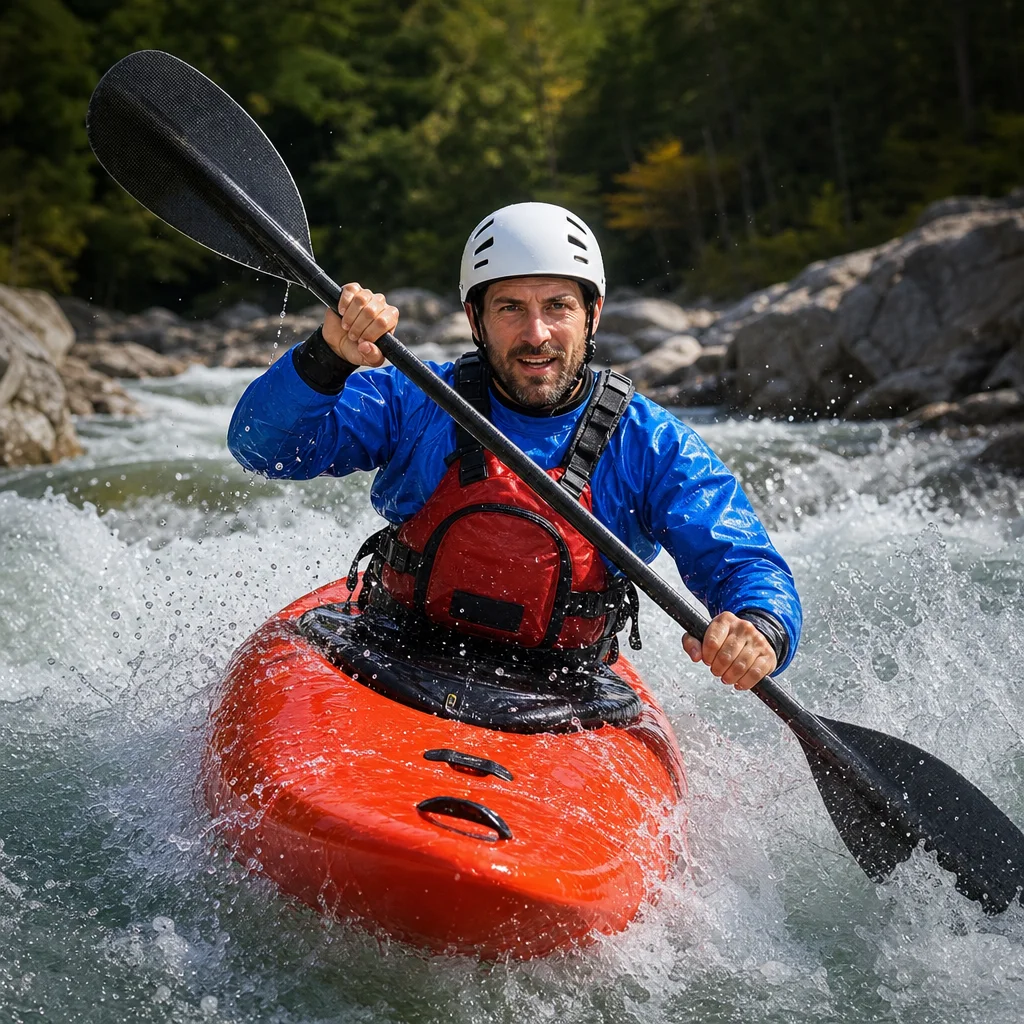
Choosing a first kayak can feel harder than it should. Shop listings emphasize hull shapes, dimensions, accessories, and impressive-sounding features, but a higher price doesn’t automatically mean a better fit for your first outings.
For calm lakes and slow rivers, start by matching the kayak to your body, storage space, transportation, and intended use. Then compare stability, weight, length, comfort, and included equipment. A simple kayak that fits your plans is usually a better purchase than an advanced model you struggle to carry or store.
Start with how you’ll actually use the kayak
Before comparing brands, describe your likely trips. Think about:
- Where you’ll paddle most often
- How far you expect to go
- Whether you’ll paddle alone or with a partner
- How you’ll transport the kayak
- Where you’ll store it between outings
- Whether you want to fish, photograph wildlife, or carry camping gear
A recreational kayak for short outings on protected water has different priorities from a touring kayak for long distances. You generally don’t need maximum speed, a large expedition-style storage system, or specialized tracking features if your trips will stay close to shore on calm water.
That distinction helps prevent overspending. Pay for a feature when it solves a problem you expect to have—not simply because it appears higher on a product page.
Choose the right kayak type
Sit-on-top kayaks
A sit-on-top kayak has an open seat area rather than an enclosed cockpit. This design is often approachable for beginners because it’s easy to get in and out of, and you don’t need to learn how to exit an enclosed cockpit if you capsize.
Sit-on-top models are also useful in warm conditions, where getting splashed is less of a concern. Water drains through scupper holes, although you should still expect to get wet.
Their drawbacks include more exposure to wind, sun, and spray. They can also be wider and heavier than some sit-inside kayaks. For relaxed lake use, those trade-offs may be worthwhile if easy entry and exit are high priorities.
Sit-inside kayaks
A sit-inside kayak places your legs inside a cockpit. It can offer more protection from splashes and weather, and the lower seating position may feel efficient while paddling. Many recreational sit-inside kayaks are designed for calm water and aren't difficult to use.
The cockpit should be large enough for you to enter and exit comfortably. Avoid choosing a narrow, performance-oriented cockpit simply because the kayak is lighter or faster. A kayak that feels awkward on land can be frustrating before you reach the water.
For a first kayak, either style can work. Prioritize the design that matches your comfort, local conditions, and ability to get in and out safely.
Stability matters more than speed for most beginners
A kayak’s stability is usually one of the first concerns for a new paddler. Wider recreational kayaks tend to feel steadier, particularly when you’re getting in, shifting position, or looking around. They may also offer more room for a relaxed seating position.
There is a trade-off. A very wide kayak can require more effort to paddle and may be harder to keep moving in a straight line. A narrower kayak may glide more efficiently but feel less reassuring at first.
For calm lakes and slow rivers, look for a kayak that feels stable without being excessively wide or bulky. The best choice depends on your height, weight, balance, and experience. A demonstration or rental session is more useful than relying on a stability label alone.
Remember that “stable” doesn’t mean impossible to tip. You still need to keep your weight centered, avoid sudden movements, and use a properly fitted personal flotation device whenever you’re on the water.
Check the conditions you’ll paddle in: Before buying, confirm that your planned lakes and rivers allow the kayak type you’re considering and that you can safely manage the expected wind, current, water temperature, and distance from shore. Local requirements and conditions can vary.
Compare length with your transportation and storage
Longer kayaks often track more easily and can carry more gear, while shorter kayaks are usually easier to turn, transport, and store. For casual day trips, a shorter recreational kayak may be enough unless you regularly expect to cover longer distances or carry substantial equipment.
Length also affects the practical cost of ownership. A kayak that fits inside a garage, shed, or other protected storage area may not need a more expensive storage system. A long kayak that must remain outdoors may require additional support and a protective cover.
Measure before you shop. Check the available storage length, door openings, vehicle dimensions, and any route you’ll use to move the kayak from storage to the water. Product dimensions can look manageable until you try to carry the kayak around a corner or load it onto a vehicle.
Treat weight as a daily-use feature
Weight is easy to overlook because it doesn’t affect the kayak once you’re paddling. It matters every time you lift, carry, load, unload, or reposition the boat.
Ask yourself how much carrying you’ll actually do. A launch site beside a parking area presents a different challenge from a shoreline reached by a long path. Also consider whether you’ll usually handle the kayak alone.
A lighter kayak may cost more because of its materials or construction. That extra cost can be worthwhile if it makes you more likely to use the kayak regularly. On the other hand, paying for the lightest available model may not make sense if your storage location and launch point are close together.
Don’t judge weight in isolation. Check the kayak’s shape, carry handles, balance point, and whether you can lift it safely. Two kayaks with similar listed weights can feel very different when carried.
Make sure the seat fits before you buy
A comfortable seat is more important than many decorative or optional features. You should be able to sit with your back supported, keep your knees in a natural position, and reach the footrests without forcing your legs into place.
Look for adjustable foot supports and a seat that doesn’t create pressure points. A padded seat can be pleasant, but padding alone doesn’t fix a poor fit. If possible, sit in the kayak while wearing the clothing and footwear you expect to use on the water.
Pay attention to the cockpit opening on sit-inside models. You should be able to enter and exit without excessive twisting or bracing yourself awkwardly. If you have mobility limitations, prioritize an easy, controlled entry over a compact design.
Understand what you’re paying for
A first kayak’s advertised price is only part of the budget. You may also need:
- A properly fitted personal flotation device
- A paddle suited to your height and kayak width
- Transportation equipment, if your vehicle requires it
- A roof rack or other carrier
- A cover or storage supports
- Basic items such as water protection and a whistle
Some packages include a paddle or seat upgrades, but included accessories vary in quality and suitability. A low-priced bundle isn't automatically the best value if the paddle is uncomfortable or the flotation device doesn’t fit.
Set a total budget before comparing models. Reserve enough for the equipment that affects safety, comfort, and transportation. If adding those essentials pushes a new kayak beyond your budget, consider a used recreational kayak from a seller who can provide clear details about its condition.
Decide which features are worth the extra cost
For beginner use on calm water, useful features may include:
- Adjustable footrests
- Comfortable, supportive seating
- Secure carry handles
- A drain plug where appropriate
- A protected area for small essentials
- Deck lines or other basic attachment points
You may not need a large number of hatches, an elaborate fishing setup, a high-performance rudder, or premium construction intended for long-distance touring. Those features can be valuable for specific uses, but they add cost, weight, or maintenance when you don’t need them.
Choose based on the trips you expect to take in the next few years, not every possible activity you might try someday. You can rent specialized equipment later if your interests change.
Consider buying used without buying someone else’s problem
A used kayak can reduce the initial cost, but inspect it carefully. Look for cracks, deep gouges, damaged seams, distorted areas, missing hardware, and worn or broken seat components. Check that hatches, plugs, straps, and footrests function as intended.
Ask how the kayak was stored. Long-term exposure to heat, sunlight, or poor support can affect some materials. Be cautious if the seller can't explain the kayak’s history or if the damage appears to have been covered rather than repaired.
A used kayak is more attractive when the savings leave room for replacement accessories or minor repairs. If the price difference from a new kayak is small, a new model with a clear return policy and current warranty may offer better value.
Use a simple buying process
Follow these steps to narrow your choice:
- Set your total budget. Include transportation, paddle, flotation device, and storage needs.
- List your regular launch locations. Note carry distance, water conditions, and storage limitations.
- Choose sit-on-top or sit-inside. Base the decision on comfort, entry, exit, and exposure to water.
- Set a practical weight limit. Make sure you can move the kayak without unsafe lifting.
- Compare fit and stability. Sit in the kayak or rent a similar model if you can.
- Remove unnecessary upgrades. Keep features that solve a real problem and skip the rest.
- Inspect the complete package. Confirm what is included and what you still need to buy.
A sensible first-kayak checklist
Before paying, confirm that:
- The kayak is designed for the water conditions you expect to use
- You can enter, exit, and sit comfortably
- You can carry and transport it safely
- You have a suitable storage location
- The total cost fits your budget
- The included or separately purchased paddle is appropriate
- You have a properly fitted personal flotation device
- You understand the seller’s return, warranty, or used-equipment terms
The right first recreational kayak isn't necessarily the lightest, widest, fastest, or cheapest model. It’s the one you can transport, store, afford, and use comfortably for the trips you actually plan to take. Compare those practical details first, then choose the simplest kayak that meets them.