How to Choose a Kayak for Small Inland Lakes and Ponds
I’ll compare kayak shapes, lengths, storage options, and transport demands so you can choose a manageable boat for short outings on small inland lakes and ponds without buying more kayak than you need.
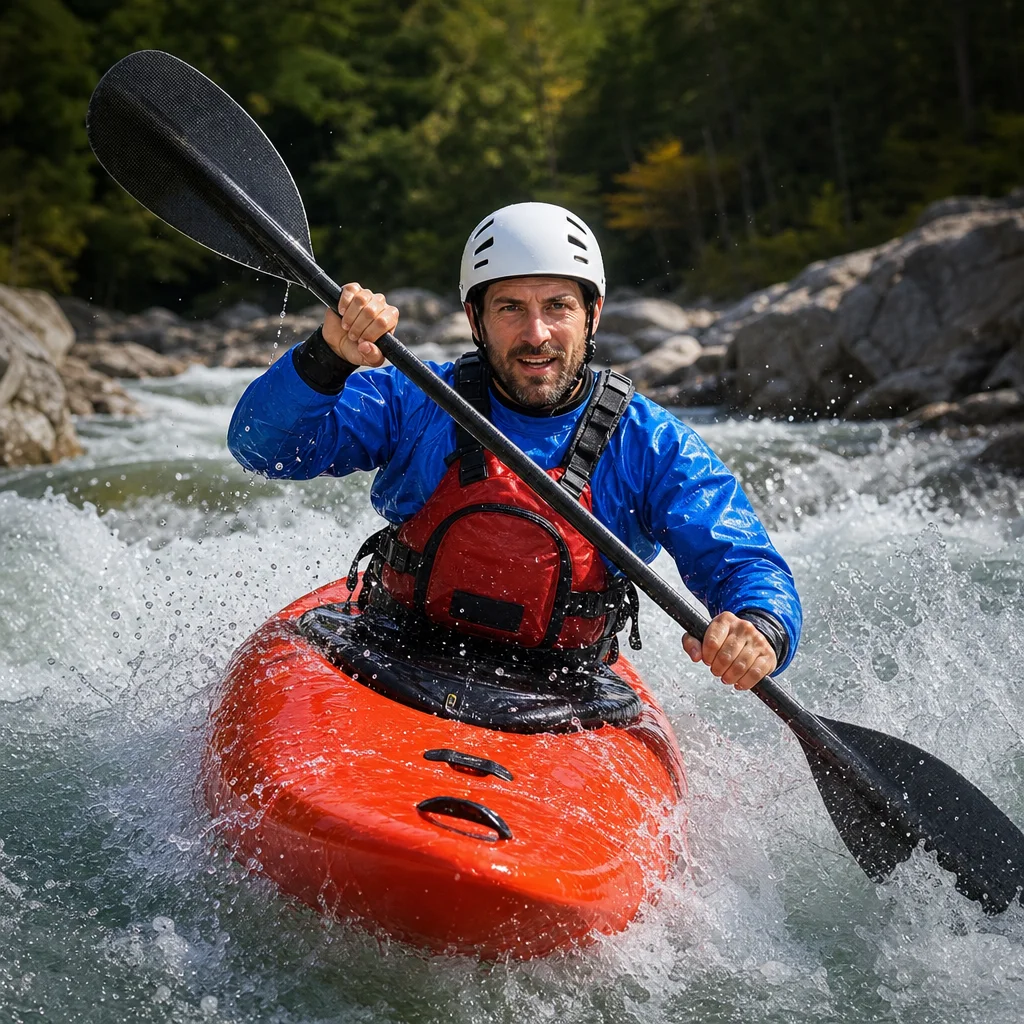
Choosing a kayak for a small lake or pond can seem simple until you consider the problems that show up after the purchase: a boat that is awkward to carry, difficult to store, unstable when you reach for a drink, or slow to turn around a narrow shoreline. The best choice is usually the one you can transport, launch, paddle, and recover without unnecessary effort.
For first-time recreational buyers, focus less on impressive specifications and more on how the kayak fits your likely outing. Short trips on sheltered inland water generally favor stable, easy-to-handle designs over long touring boats built for distance and efficiency.
Start with the conditions you’ll actually encounter
Small ponds and inland lakes are often calm, but “small” doesn't mean windproof. Open stretches can develop waves, and a breeze can make the return trip noticeably harder than the paddle away from shore. You may also deal with muddy banks, shallow water, weeds, crowded launches, or a long walk from the vehicle to the water.
Think through these questions before comparing models:
- Will you paddle for 30 minutes, several hours, or most of a day?
- Will you stay close to shore or cross open sections of the lake?
- Do you expect to paddle alone, with children nearby, or with a dog?
- Can you carry the kayak from your vehicle to the launch?
- Where will it live between outings?
- Will you need to load it without assistance?
These answers help identify the right compromises. A very light kayak may be easier to carry but less comfortable in wind. A wider boat may feel reassuring but take more effort to move and store. A longer hull can track better but may be inconvenient on a narrow shoreline or crowded launch.
Choose the hull style for control and recovery
Hull shape affects stability, turning, speed, and how forgiving the kayak feels when you make a mistake. For small-water recreation, three general approaches are common.
Wide recreational hulls
A wide, relatively flat recreational hull is often the easiest starting point for a new paddler. It tends to feel stable when you get in, shift your weight, or look around. That extra stability is useful when launching from an uneven bank or reaching for gear.
The trade-off is efficiency. A broad kayak usually requires more strokes to cover the same distance, and it may be pushed around more by wind. That is rarely a serious drawback for short outings, but it matters if you regularly cross a large lake or paddle for several hours.
Choose this style when your priorities are confidence, simple handling, and relaxed shoreline paddling.
Moderate V-shaped or shallow-arched hulls
A hull with a modest keel line or shallow arch can offer a useful middle ground. It may glide and track more efficiently than a very flat recreational kayak while remaining reasonably stable for ordinary paddling.
This style can be a good fit if you expect to explore larger inland lakes, paddle farther from the launch, or want a boat that will remain useful as your technique improves. It may feel slightly less planted at first, especially if you are used to a very wide kayak.
Narrow touring-style hulls
Longer, narrower kayaks are designed more for efficient travel and directional stability. They can be rewarding when distance matters, but they aren't automatically better for a first-time buyer using small ponds and sheltered lakes.
A narrow boat may be harder to enter from a rough bank, more demanding when you lean or reach, and more awkward to carry. If you choose one, make sure its fit and stability match your actual skill level rather than assuming you will quickly adapt.
Decide between a sit-in and sit-on-top kayak
A sit-in kayak places your legs inside the hull and usually offers more protection from wind and splashing. It can feel efficient and secure when the cockpit fits properly. However, entering and exiting may be less convenient, particularly at a shallow or muddy launch.
A sit-on-top kayak is open and generally straightforward to board. If you capsize, you can climb back onto it more easily than into a flooded sit-in boat, provided you have practiced the process and the design supports that recovery. Sit-on-top models are also convenient for warm-weather recreation and casual use.
Their disadvantages include greater exposure to sun, wind, and splash. Water can collect on the deck, and a broad sit-on-top may be bulky to carry. For many beginners, the choice comes down to this practical question: do you value easier boarding and self-recovery, or a more enclosed and protected seating position?
Whichever style you select, try sitting in it before buying if possible. Your knees shouldn't be cramped, your feet should have firm contact, and you should be able to reach the controls and carry handles without twisting awkwardly.
Pick a length that fits the outing and the vehicle
Short recreational kayaks are easier to turn, carry, and store. They suit small ponds, winding shorelines, and launches where maneuvering space is limited. Their shorter waterline can make them less efficient over distance, and they may wander more if you stop paddling in wind.
Longer recreational kayaks generally track more smoothly and may feel better on open sections of a lake. The added length also increases weight, storage difficulty, and roof-rack or trailer demands. A long boat can be a poor bargain if it discourages you from using it because every outing requires too much preparation.
For a first purchase, treat the manufacturer’s length and weight as starting points rather than the whole decision. Two kayaks with similar dimensions can feel very different because of their width, seating system, hull shape, and weight distribution.
Treat carrying and storage as part of the purchase
A kayak that stays in a garage because it is too difficult to move isn't a useful kayak. Measure the route from storage to vehicle and from vehicle to launch. Include stairs, gates, gravel, grass, and tight corners.
Check the boat’s actual weight, not just its advertised capacity. You may also need room for a paddle, personal flotation device, cart, straps, and other equipment. If you will lift the kayak onto a vehicle, consider whether you can do so safely alone or whether another person will usually be available.
Storage matters just as much. Protect the kayak from long-term direct sunlight and avoid resting it on a narrow edge or only at the ends. Wide supports or a suitable rack help prevent distortion. If you live in a region with freezing winters, plan where the boat and accessories will stay dry and protected between seasons.
Confirm your launch and transport plan: Before choosing a model, check the access rules for the lakes or ponds you expect to visit, including parking, launch permissions, personal flotation device requirements, and any restrictions on roof transport or shoreline access. These details can change by property or season.
Look for useful features, not a crowded specification sheet
A comfortable seat and adjustable foot supports are more valuable than a long list of decorative features. You should be able to maintain an upright posture without pressure points, and the seat should provide enough support for the duration of your usual trip.
Useful features may include:
- Secure grab handles at the bow and stern
- A cockpit or deck layout that is easy to enter and exit
- Adjustable foot braces or a stable footwell
- A small sealed compartment or dry storage area
- Deck rigging that can hold essentials securely
- A drain plug on models where water can collect
- A paddle holder that doesn't interfere with re-entry
Avoid treating built-in storage as waterproof unless the manufacturer clearly describes it that way. Keep items that must stay dry in separate waterproof containers or bags, secured so they can't drift away if the kayak overturns.
A paddle and properly fitted personal flotation device are part of the system, not optional afterthoughts. Select a paddle that suits your width, seating position, and paddling style, and wear the flotation device while on the water.
Use a simple decision process
A few common situations point toward different choices:
- Short pond outings with an easy launch: Choose a stable recreational kayak that is simple to carry and store.
- Larger lakes with occasional wind: Consider a moderately shaped hull with better tracking, while keeping the boat manageable for transport.
- Frequent solo loading and carrying: Give weight, handles, and a practical carrying solution priority over extra length.
- Easy boarding and straightforward capsize recovery: Compare sit-on-top models and practice climbing back on in controlled conditions.
- Limited storage space: Look for a compact hard-shell kayak or investigate a suitable inflatable design, while considering setup time, drying, and puncture prevention.
An inflatable kayak can solve storage and vehicle-space problems, but it introduces different maintenance tasks. You will need adequate inflation, a clean and dry storage routine, and protection from sharp surfaces. It may be a sensible choice when transport is the main barrier, not simply a cheaper substitute for every hard-shell design.
Inspect a used kayak before buying
A used kayak can be a good way to control costs, but inspect it in daylight. Look for deep gouges, cracks, soft areas, damaged seams, distorted hull sections, and missing hardware. Check that hatches, drain plugs, seat parts, and foot supports work as intended.
For an inflatable, inspect valves, seams, floor panels, and the repair history. Ask how it was stored and whether it was dried before storage. If the seller can't explain the boat’s condition or allows no reasonable inspection, walk away.
Don't buy a kayak solely because it is inexpensive. Replacing a damaged seat, transport system, or missing safety equipment can quickly erase the initial saving.
Make the choice manageable
For most first-time paddlers on small inland lakes and ponds, a stable recreational kayak that you can carry and store easily is the sensible starting point. Choose a sit-on-top if simple boarding and re-entry matter most; choose a sit-in if you prefer more protection and a fitted cockpit. Move toward a longer, more efficient hull only when your planned distances and open-water conditions justify the extra handling demands.
Before purchasing, sit in the kayak, measure your storage route, confirm your transport method, and picture the least convenient part of a typical outing. If you can handle that part safely and comfortably, the rest of the decision becomes much clearer.