Paddling Pace: How to Avoid Burning Out in the First Hour
I’ll compare steady cadence, planned rests, and route choices so you can avoid the common first-hour blowup. You’ll learn how to manage effort early and finish paddles with enough energy for the return trip.
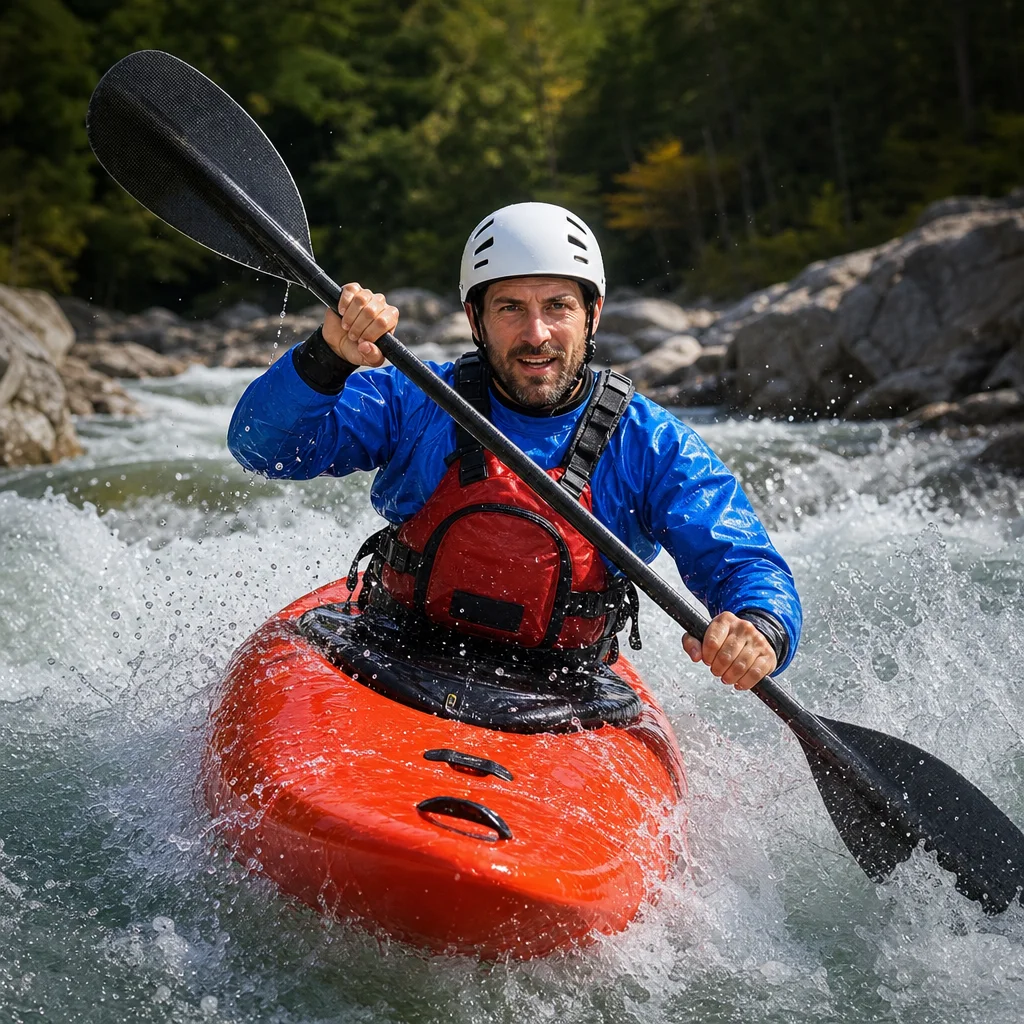
Starting too hard can make an easy paddle feel like an endurance event. You leave the launch full of energy, push the pace to cover distance, and then discover that your shoulders, grip, or breathing won’t cooperate when you still have most of the route ahead.
A sustainable paddling pace isn’t necessarily slow. It’s the effort you can repeat without steadily losing technique. When you manage that effort from the beginning, you protect your comfort, your skills, and your ability to handle changing conditions later in the trip.
What a Sustainable Pace Feels Like
Your ideal pace depends on your fitness, kayak, wind, current, water temperature, and route. Rather than chasing a specific speed, pay attention to how your body and stroke are responding.
At a sustainable effort, you should be able to:
- Keep your torso rotation and paddle path consistent
- Breathe without feeling rushed
- Relax your hands, shoulders, and jaw between strokes
- Speak a short sentence without stopping to recover
- Maintain your direction without frequent corrective strokes
This is an effort you can hold for a long period, not a pace that proves how hard you can sprint. If your stroke becomes shorter, noisier, or more dependent on your arms, you’re probably spending energy faster than you can replace it.
A useful beginner rule is to start at an effort that feels almost too easy for the first 10 to 15 minutes. The goal is to let your muscles warm up and give yourself time to judge the actual conditions. Many paddlers find that a restrained start feels more productive once the route gets longer.
Cadence Matters More Than Force
Cadence is the rhythm of your strokes. A high cadence with light, efficient strokes can be easier to sustain than a slow rhythm built around powerful pulls. The best balance varies by paddler, but the general principle is simple: avoid making every stroke a maximum-effort stroke.
Use Your Whole Body
If your arms are doing nearly all the work, fatigue arrives early. Try to involve your torso by rotating gently from your waist and allowing your legs to provide contact and stability against the kayak. Your hands should guide the paddle rather than clamp down on it.
Look for a stroke that feels connected but not strained. Push with the upper hand, rotate your torso, and finish the stroke near your hip instead of pulling far behind you. A long, forced stroke often adds stress without producing useful forward movement.
Find a Repeatable Rhythm
You can use a simple mental count, such as matching strokes to your breathing, or settle into a quiet rhythm based on the sound of the paddle. There’s no need to count every stroke throughout the trip. Use the rhythm as a reset when you notice yourself rushing.
If your cadence changes because you’re climbing into wind or current, reduce your stroke power before your form deteriorates. You may travel more slowly, but you’ll preserve energy for the section ahead.
Compare Three Ways to Manage Effort
Different paddlers prefer different pacing strategies. Each can work if you use it deliberately.
Steady Continuous Paddling
With this approach, you keep moving at a moderate effort and take only brief pauses for water or navigation. It works well on open routes where you want predictable progress and where stopping may make you drift.
The main risk is that you may ignore accumulating fatigue because you never take a clear break. Build in quick posture checks even if you don’t fully stop. Relax your grip, lower your shoulders, adjust your foot pressure, and take a drink before you feel depleted.
Work-and-Recover Intervals
You alternate several minutes of comfortable paddling with a short reduction in effort or a brief rest. For example, you might paddle steadily for 10 minutes, then coast or drift in a safe position while checking your posture and hydration.
This method can help fitness-conscious paddlers control their enthusiasm. It’s also useful when a route includes repeated short sections of current or wind. Keep the work periods moderate; they’re not an excuse to turn every interval into a sprint.
Landmark-Based Pacing
Instead of following a clock, divide the route into visible sections: a cove, bend, dock, island, or shoreline feature. Paddle to one landmark, reassess, and choose the next manageable section.
This approach suits beginners who find time-based plans distracting. It also helps you make sensible decisions when the conditions change. If you reach a landmark more tired than expected, you can shorten the next section or turn around rather than automatically continuing toward a distant goal.
Schedule Rest Before You Need It
Waiting until you’re exhausted is one of the easiest ways to make a break less effective. Once your shoulders are burning and your concentration has dropped, you may need a long recovery period, and you may already be making poorer decisions.
For many recreational paddles, short planned pauses are enough. During a pause:
- Move to a stable, low-risk location or reduce effort while maintaining control.
- Relax your hands, shoulders, and face.
- Drink and eat a small amount if the trip length calls for it.
- Check for rubbing, pressure points, or numbness.
- Look at the remaining route and the conditions ahead.
- Resume at an easier effort than the one that caused you to stop.
A pause doesn’t always mean getting out of the kayak. On calm, suitable water, you may be able to coast briefly while staying oriented and clear of hazards. In moving water, wind, boat traffic, or other changing conditions, maintaining control and choosing a safe position matters more than following a rigid rest schedule.
Check Your Turnaround Plan: Before launching, identify where you can safely pause, shorten the route, or turn back. Reassess that plan as your energy, weather, wind, and water conditions change rather than treating the original distance as a commitment.
Make Route Decisions That Preserve Energy
Pacing starts before your first stroke. A route that looks manageable on a map may feel very different when the return leg faces wind or current.
Treat the Return Trip as Part of the Route
If you paddle with a favorable wind or current on the way out, don’t use all your energy enjoying the fast progress. The return may require more effort, and turning around can be harder when you’re already tired.
When possible, plan to reach your farthest point with enough reserve for the trip back and for a modest change in conditions. A route that ends near a convenient takeout or alternate landing gives you more options than an out-and-back with no practical exit points.
Start With the Exposed Section When Appropriate
On some routes, it makes sense to handle the more demanding open-water or upwind section early, while you’re fresh. On others, launching into a difficult section immediately can make orientation and technique harder for a beginner.
The right decision depends on the water, your experience, and the consequences of turning around. The important habit is to consider the whole route rather than choosing a direction only because it feels easy at the launch.
Set a Turnaround Trigger
A turnaround trigger is a condition that tells you to shorten the trip. It might be a certain time, a drop in energy, worsening wind, a developing headache, or the point where you can no longer maintain relaxed technique.
Choose the trigger before you feel pressured to continue. This removes some of the emotion from the decision. Turning around early is a pacing skill, not a failure to complete the plan.
Common First-Hour Mistakes
Racing Away From the Launch
The launch often creates a burst of excitement. You may be fresh, watched by other paddlers, or eager to leave a busy shoreline. Ease into your normal cadence and give yourself several minutes to settle.
Chasing a Faster Paddler
A stronger companion can set a pace that feels manageable briefly but drains you over time. Tell your group what effort you can sustain and agree on regular regrouping points. A group trip works better when nobody has to hide fatigue.
Ignoring Small Discomforts
A tight grip, sore wrist, pressure behind the knees, or an awkward foot position can become a major problem later. Make small adjustments early. If discomfort suggests an equipment fit issue, don’t assume it will disappear after another hour.
Using Breaks Only for Emergencies
If you never pause until you’re desperate for a break, your rest pattern is reactive. Brief checks for posture, hydration, and route progress take little time and can prevent a large loss of energy.
Letting Speed Replace Technique
A GPS speed number, a friend’s pace, or a planned arrival time can tempt you to push harder than the route allows. Use speed as information, not as the only measure of success. A slightly slower pace with good control is usually more useful than a fast start followed by poor technique.
A Simple Pacing Plan for Your Next Paddle
Before launch, choose a route with an easy shortening option if possible. Decide how long you’ll paddle before your first deliberate check-in, and identify at least one landmark where you can reassess.
For the first 10 to 15 minutes, keep your effort conservative. Then ask yourself:
- Is my breathing controlled?
- Are my shoulders and hands relaxed?
- Can I maintain my stroke without pulling harder?
- Do I have enough energy for the return and a change in conditions?
If the answers are yes, continue at that effort rather than increasing the pace simply because you feel good. Save extra energy for navigation, wind, waves, portages, or the final section back to shore.
After the paddle, note what actually happened. Did the route take longer than expected? Did the wind change? Did your seat or foot position create fatigue? These observations help you build a reliable pace for future outings.
The best first-hour strategy is the one that leaves you capable, comfortable, and in control after the first hour. Start below your maximum, use a repeatable cadence, pause before fatigue forces you to, and treat the return trip as part of every route. Over time, that approach will make your paddling more enjoyable—and your planning more dependable.