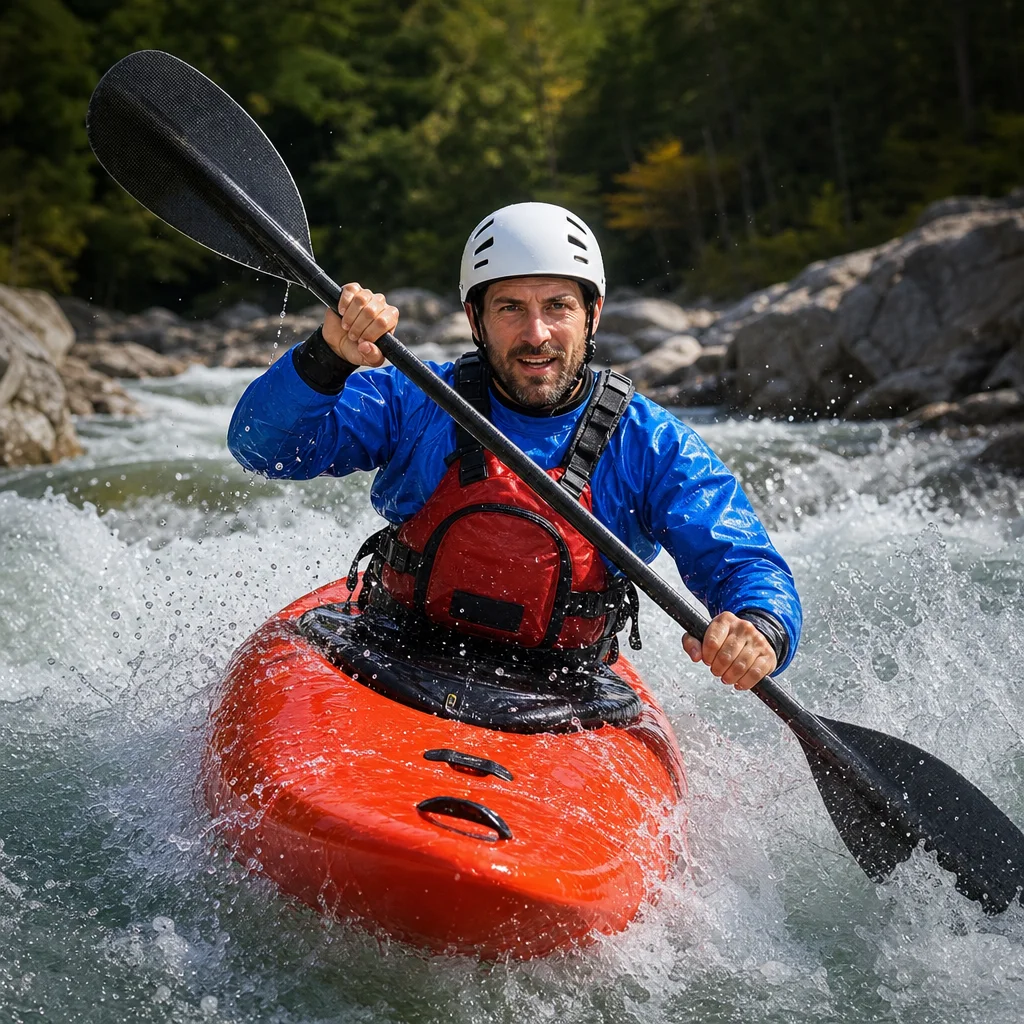
A stable kayak picnic starts with prioritizing balance, dry storage, and safety gear over extra comforts. I’ll show you how to pack food, drinks, waste supplies, and simple picnic items so they stay accessible without making the boat harder to handle.
Read article →
I’ll clarify how to pack for a kayak day trip when the forecast may change, from layered clothing and food to emergency gear and dry storage. You’ll get a beginner-friendly system that keeps essential items protected, accessible, and manageable on the water.
Read article →
A tightly packed kayak may still track poorly if its weight is in the wrong place. I’ll show you how to balance heavy and frequently used gear so your recreational kayak stays predictable without sacrificing access or safety.
Read article →
I’ll help you compare channels using maps, landmarks, current clues, and planned checkpoints so you can avoid a difficult or restricted route. You’ll learn when the shortest channel isn't the simplest—or safest—choice for your kayak.
Read article →
When a gate is locked or a portage is closed, a familiar kayak route can become a serious access and carry problem. I’ll help you assess the restriction, build a dependable alternate plan, and decide when to turn back.
Read article →
When a familiar half-day route turns breezy, crowded, or slower than expected, a short gear list still needs to cover safety and recovery. I’ll help you separate dependable essentials from accessories that add weight without much value.
Read article →
I’ll help you build a reliable communication and contingency plan for a kayak trip beyond cell coverage, including route records, check-in procedures, local information, and non-cellular options that still work when conditions change.
Read article →
Accessible kayaking depends on how the launch, transfer, seating, communication, and route work together. I’ll show you how to keep the setup simple while adapting each part to the paddler’s abilities, support needs, and comfort.
Read article →
I’ll compare the simplest ways to make a kayak easier to detect near motorized traffic, from clothing and high-visibility flags to lights, signaling, positioning, and route choices. You’ll also see where each aid helps—and why none makes a crossing automatically safe.
Read article →
A swamped kayak sits low, handles poorly, and becomes difficult to recover without reserve flotation. I’ll explain how cockpit and hatch flotation help, what to inspect before launching, and why they support—but never replace—rescue practice.
Read article →