How to Paddle Quietly When Wildlife Is Nearby
I’ll clarify which paddling habits create the most noise around wildlife and show you how to adjust your stroke, route, and pace without drifting too close. You’ll also learn when quiet paddling should give way to a wider, safer detour.
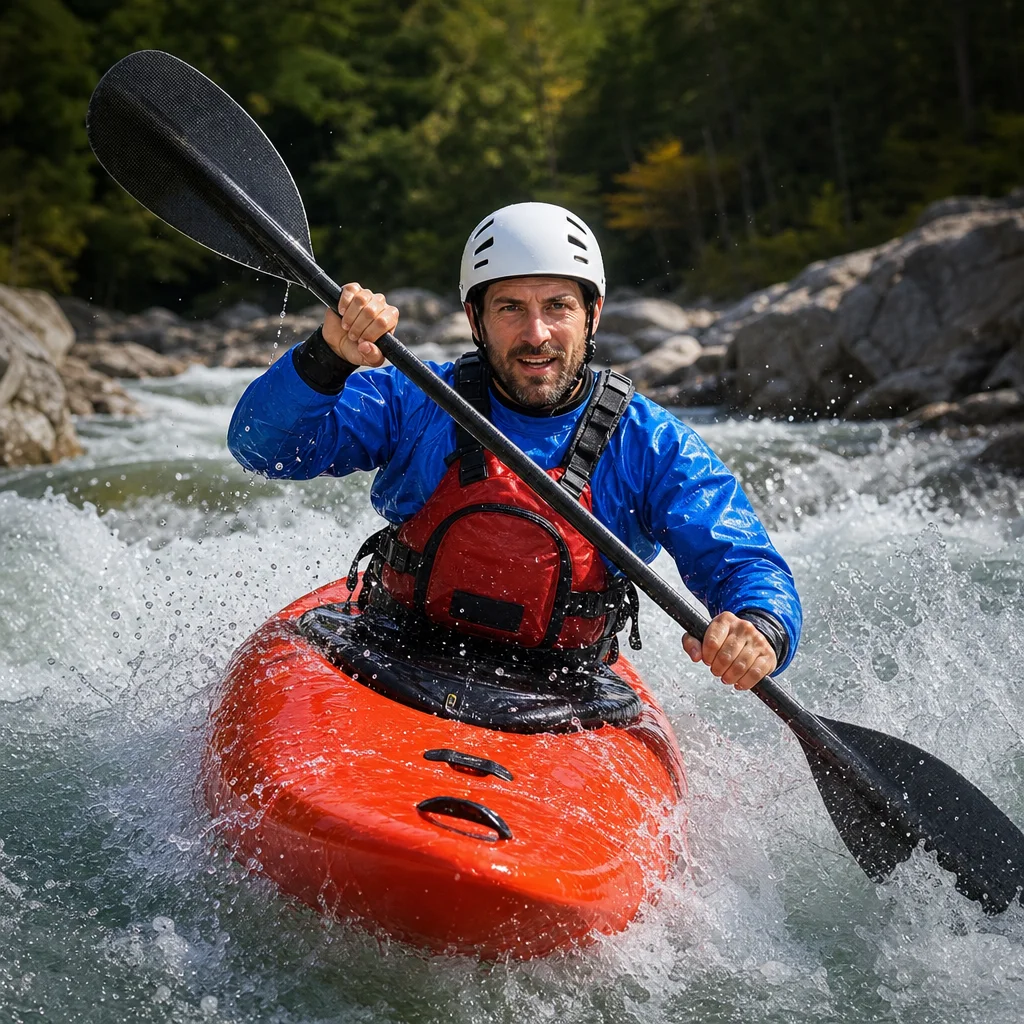
Wildlife-rich waterways reward a slower pace, but quiet paddling isn’t just about making less splash. Your route, timing, body movements, and reaction when an animal appears all affect how much you disturb it—and how safely you can pass.
The goal isn't to get close without being noticed. It’s to move predictably, leave plenty of space, and avoid turning a wildlife encounter into a pursuit. A few simple stroke adjustments can make your kayak quieter while giving animals room to continue feeding, resting, or traveling.
Start With Distance and Direction
The best way to reduce disturbance is to avoid creating a close encounter in the first place. Scan the water and shoreline before you commit to a route, especially around reeds, mudflats, nesting areas, haul-out spots, and narrow channels where animals have fewer escape options.
If you see wildlife ahead, ask three questions:
- Can you pass without forcing the animal to change direction?
- Do you have enough room to give it a wide berth?
- Is there a quieter alternate route?
If the answer to any of these is no, slow down early and take the longer route. A detour is usually less disruptive than trying to squeeze through a narrow gap.
Approach from the side only when you can maintain a generous distance and keep your path predictable. Avoid paddling directly toward an animal, cutting across its travel path, or positioning yourself between it and the shoreline. An animal that repeatedly dives, flees, changes direction, or shows other signs of disturbance is telling you to back off.
Check the local wildlife rules: Before paddling in a wildlife-rich area, review current park, refuge, and local regulations for approach distances, seasonal closures, nesting zones, and restricted channels. These requirements vary by location and species, and they take priority over general paddling advice.
Make the Stroke Quiet Before It Enters the Water
Most paddling noise comes from sudden entry, excess force, and water draining from the blade during recovery. You don’t need a special paddle to reduce it. A controlled stroke with a clean entry is often enough.
Place the blade instead of dropping it
Lower the blade into the water before applying power. Avoid lifting it high and chopping down. A high entry creates a slap, pushes water outward, and may send droplets toward the animal you’re trying to avoid disturbing.
Reach only as far as you can while keeping your shoulders and torso controlled. Plant the blade near the front of your comfortable stroke range, then press against the water smoothly. If your paddle enters with a sharp splash, reduce the height of your hands and slow the first part of the stroke.
Use a smooth, moderate pull
You don’t have to stop paddling completely to be quiet. A steady, low-power stroke is often less disruptive than alternating between frantic pulls and long, noisy corrections.
Drive the stroke with gentle torso rotation rather than yanking with your arms. Keep the blade fully engaged, but don’t bury it deeper than necessary. A controlled pull produces less turbulence than a hard stroke that sends water boiling behind the blade.
Keep the recovery close to the surface
At the end of the stroke, release pressure before lifting the blade. Bring it forward in a shallow arc rather than snapping it out of the water. If the blade drips heavily, pause briefly over the water so the droplets fall back quietly instead of striking the kayak or surface farther away.
You can also rotate the blade slightly during recovery so it slices through the air rather than catching wind and fluttering. Keep the movement relaxed. A rushed recovery often creates more noise than the power phase of the stroke.
Use Shorter Strokes Around Wildlife
Long, powerful strokes are useful when you need to cover distance, but they’re harder to control near animals. Shorten your stroke and reduce your cadence as you get closer to an area where wildlife may be present.
A shorter stroke gives you several advantages:
- You can stop more quickly.
- You’re less likely to overcorrect your heading.
- Your paddle remains closer to the kayak.
- You can respond to movement without making a sudden, forceful stroke.
Keep your upper body quiet as well. Avoid twisting sharply, rocking the kayak, or reaching repeatedly across the boat. Sudden movements can be more alarming than the low sound of a careful paddle.
If the water is calm and the wind is light, brief gliding periods can help you travel quietly. Set your direction first, take a few easy strokes, then let the kayak carry forward. Keep your paddle ready rather than laying it across the cockpit, so you can steer or slow down without scrambling.
Choose Steering Techniques That Don’t Splash
Some steering movements are naturally louder than others. A broad sweep stroke can create a visible swirl, while a sudden reverse stroke may slap the surface and bring the kayak to an abrupt stop.
When you need a small heading adjustment, try these quieter options:
- Use a partial forward stroke on one side rather than a large sweep.
- Apply a gentle reverse stroke only as much as needed.
- Use a subtle edging movement if you already control your kayak confidently.
- Glide and let the boat’s existing momentum carry you around the disturbance.
A stern rudder or skeg can help you hold a straight course with fewer corrective strokes, but deploy or adjust it gradually. Practice these controls in open water before relying on them near wildlife. Equipment that reduces paddle corrections only helps if you can operate it smoothly.
Don’t use a technique near animals for the first time. A complicated maneuver that makes you lean, wobble, or drop your paddle isn't a quiet maneuver in practice.
Adjust Your Route for Wind and Current
Noise doesn’t come only from your paddle. Wind, current, hull movement, and contact with vegetation can all affect how noticeable you are.
When conditions allow, plan a route that keeps you from pushing through dense reeds or scraping along a shallow bottom. Contact with vegetation can create a long, unpredictable disturbance and may damage habitat. Keep enough depth for your kayak and stay within areas where paddling is permitted.
Be cautious about using wind or current to drift closer to wildlife. A silent approach can still be an unsafe or intrusive approach if you lose the ability to stop or turn. Before entering a moving channel, identify where you can safely move aside or turn around.
If the wind is blowing toward an animal, your sound and movement may carry in its direction. That doesn’t mean you should try to circle around every animal, but it does make extra distance and a slower route more important. Avoid positioning yourself where wind or current will carry you steadily toward wildlife.
What to Do When an Animal Appears Nearby
Wildlife can surface or emerge with little warning. Your first response should be calm and predictable.
- Stop adding power to the stroke.
- Keep the paddle low and stable.
- Assess your distance, direction, wind, current, and exit route.
- Let the kayak drift only if drifting won’t carry you closer.
- If necessary, use quiet, controlled strokes to move away.
Don’t follow an animal to get a better view, even if it appears unconcerned. Don’t surround it with other paddlers, block its route, or repeatedly reposition your kayak after it moves. If you’re in a group, communicate quietly and ask everyone to create space rather than gathering in one spot.
If an animal approaches you, avoid sudden movements and don’t try to touch, feed, or redirect it. Move away when you can do so safely. A calm retreat is more appropriate than attempting to hold your position at close range.
Practice Quiet Paddling Before You Need It
Quiet technique is easier to use around wildlife when it’s already familiar. Practice on an empty section of water and listen to your paddle instead of focusing only on speed.
Try this sequence:
- Paddle normally for several strokes and notice the entry, pull, and recovery sounds.
- Lower your hands slightly and place the blade into the water more gently.
- Reduce your stroke length and power by about half.
- Pause between strokes and check whether the kayak tracks straight.
- Practice stopping without a hard reverse stroke.
- Make small heading changes using partial strokes.
Ask a paddling partner to watch your blade from shore or another kayak. They may notice splashes that are difficult for you to see from the cockpit. Practice in the same kayak and with the same paddle you use on trips, since blade shape, shaft length, and boat response all affect your timing.
Quiet paddling shouldn't make you tense. A stiff grip and locked shoulders usually make control worse. Hold the paddle securely but lightly, keep your movements compact, and let the kayak glide when the situation permits.
A Simple Wildlife-Paddling Checklist
Before launching, consider:
- Where are the likely wildlife areas, and can you avoid passing through them?
- What local rules or seasonal closures apply?
- Can you steer, stop, and turn quietly in your kayak?
- Will wind or current carry you toward animals?
- Do you have enough time and daylight for a slower route?
- What will you do if wildlife appears around a bend or in a narrow channel?
Once you’re on the water, prioritize space and predictability over a perfect silent stroke. Use smooth entries, moderate power, shorter strokes, and quiet corrections. If maintaining a safe distance requires a noisy maneuver, take the distance first and accept the sound.
The most considerate wildlife encounter is usually the one that ends without the animal needing to react to you. Plan to give it room, paddle with control, and be ready to choose a different route when the water ahead is already occupied.