Why Your Kayak Feels Fine at Launch but Unstable Later
I’ll help you work out why a kayak that felt steady at launch becomes unsettled later, from fatigue and posture to wind, waves, loose gear, and water in the cockpit. You’ll get a practical way to diagnose the change and respond safely.
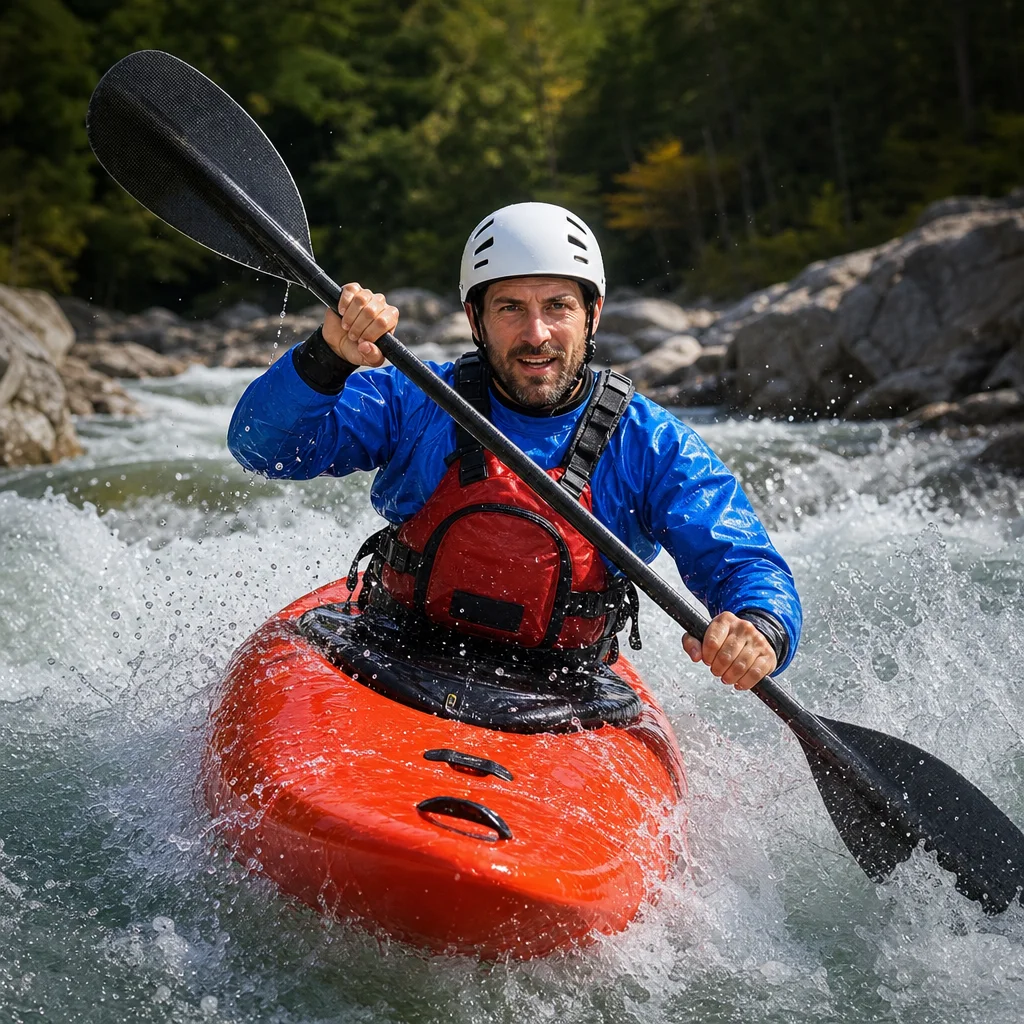
The kayak felt stable when you launched, but now every small movement seems to make it wobble. That change can be unsettling, especially when you’re farther from shore and no longer sure whether the problem is your technique, the boat, or the conditions.
In many cases, the kayak itself hasn’t suddenly become unstable. Your balance, the weather, the water, and the way you’re carrying equipment may all have changed. Treat the change as useful information rather than something to ignore.
First, reduce the immediate risk
Stop trying to paddle normally while you diagnose the problem. Slow down, keep your paddle across the kayak for support when needed, and turn toward the nearest safe landing or protected water. Avoid sudden reaches, standing up, or leaning hard over the side.
If you’re wearing a properly fitted personal flotation device (PFD), keep it on. If the kayak capsizes, stay with the boat unless conditions make that unsafe and you’ve been trained in the appropriate recovery technique.
Check today’s conditions and rules: Before continuing, compare the wind, waves, water temperature, forecast, and local boating requirements with your experience and equipment. Conditions and regulations vary by location and can change during a trip.
Once you’re stable and in a reasonably protected position, work through the likely causes below.
Fatigue changes your balance
Fatigue is one of the most common reasons a kayak feels less stable later in a trip. As your core and leg muscles tire, you may stop making small, automatic corrections. Your upper body can become stiff, your grip can tighten, and you may lean against the kayak instead of keeping your weight centered over it.
Fatigue also affects judgment. You may take larger strokes, turn your head and shoulders more abruptly, or continue into conditions you would have avoided at the start.
What to do
- Take a short break in protected water or land if possible.
- Drink and eat something appropriate for the trip.
- Relax your grip and lower your shoulders.
- Keep your torso upright without bracing rigidly.
- Shorten your paddle strokes and use smoother pressure.
- End the trip if you can’t maintain steady control.
A kayak that feels manageable when you’re fresh may be a poor match for a long route, strong wind, or rougher water once your reserve is gone. Build a margin into your trip rather than planning to use all your available energy.
Wind may have changed the kayak’s behavior
A calm launch site can hide wind affecting the rest of the route. Wind may strengthen during the day, funnel between banks, or become more noticeable after you leave a sheltered cove. It can push the kayak sideways, turn the bow or stern, and create waves that make each correction feel larger.
Wind from behind can also be deceptive. Following waves may push the stern around, causing the kayak to yaw from side to side. You may feel unstable because you’re making frequent steering corrections, not because the kayak has lost its basic stability.
What to do
Point toward more protected water when practical. Keep your strokes compact and maintain a controlled pace. Avoid broad, frantic strokes that pull your upper body off center. If waves are approaching from the side, keep your torso upright and allow your hips to move with the kayak rather than leaning your whole body toward each wave.
If the wind is strong enough that you can’t hold your course, make progress toward shore or another safe landing before conditions deteriorate further. Don’t rely on a forecast from the launch alone; local wind can differ substantially across a lake, river, or coastline.
Rising waves expose technique and boat limits
Small ripples at launch may become larger waves in open water or near boat traffic. A loaded kayak can also respond differently as it moves through uneven water. The sensation may be more active, but active movement isn’t automatically a capsize emergency.
The important distinction is whether you can stay relaxed and keep the kayak under control. If the hull is repeatedly taking water, the cockpit is filling, or you’re using large emergency braces just to remain upright, the conditions may exceed your current skill or the kayak’s suitability.
Match your response to the waves
Keep the kayak generally pointed into or slightly across approaching waves, depending on the conditions and your ability to control the boat. Avoid presenting the side of the kayak broadside to steep waves when you don’t have the skills to manage that position.
Use a low, stable posture without slouching. Keep your paddle ready for a controlled brace, but don’t depend on constant bracing as a substitute for choosing safer water. If you’re unsure how to handle waves, turn toward shore while you still have enough control to do so.
Water in the cockpit reduces your margin
Water inside the cockpit adds weight and can change how the kayak sits in the water. It may also collect around your legs, restrict movement, and make the boat feel sluggish or less predictable. A small amount from paddle drips is different from water entering through a loose hatch, damaged seal, wave, or capsize.
Check whether the cockpit is noticeably wet and whether water is continuing to enter. If you have a bilge pump or sponge and can use it without creating more instability, remove the water in a protected position. Keep hatches closed and inspect likely entry points when you’re safely ashore.
A sit-on-top kayak can also feel different when water collects in its seating area or hull. Use the boat’s designed drain system, if fitted, and follow the manufacturer’s instructions rather than improvising a plug or modification.
Shifting gear can affect trim and stability
Gear that was secure at launch may move as the kayak rocks. A water bottle, dry bag, fishing tackle, or cooler can slide to one side or toward the bow or stern. Uneven loading changes the kayak’s trim and can make one direction feel noticeably less stable.
Don't reach into a rear compartment or stretch across the deck while you’re on open water. First move to calm, shallow, or shore-accessible water. Then redistribute heavy items low and near the center of the kayak. Secure them so they can’t roll or slide during turns.
Overloading is another concern. The manufacturer’s capacity rating isn't simply a suggestion for maximum comfort; too much weight reduces freeboard and leaves less room for waves and mistakes. A kayak carrying a large load may feel acceptable in calm water but become difficult to control as conditions change.
Posture and bracing may have deteriorated
Many beginners respond to instability by leaning away from the movement. That instinct can make the situation worse. When the kayak tips slightly, throwing your shoulders in the opposite direction raises your center of gravity and may pull the boat farther over.
Instead, keep your head and torso relatively upright and let your hips make small adjustments beneath you. Keep your knees comfortably engaged with the kayak’s supports without locking your legs or pressing aggressively against one side.
Your paddle can provide support when held low and placed deliberately on the water. Avoid reaching high or using the paddle as a rigid pole. If you need to brace repeatedly, treat that as a sign to move to calmer water rather than a challenge to continue.
A simple on-water decision process
When stability changes, use this sequence:
- Stop and stabilize. Slow down, keep the paddle ready, and avoid unnecessary movement.
- Look for an external change. Check wind direction, wave height, boat wakes, current, and your distance from shelter.
- Check yourself. Notice fatigue, cold, thirst, stress, or poor concentration.
- Check the kayak. Look for cockpit water, a loose hatch, shifted gear, or an obviously changed trim.
- Choose the conservative option. Head for protected water or shore if control is deteriorating.
- Don’t restart the same problem. Once ashore, fix the loading, route, clothing, or technique issue before launching again.
If you capsize, stay calm, keep hold of the kayak and paddle, and use a recovery method you’ve practiced. In cold water, treat immersion as an emergency because cold exposure can reduce strength and coordination quickly. Get help according to your local emergency procedures if you can’t recover or reach safety.
Prevent the change before your next trip
Plan a route with easy exit points and avoid making the most exposed section the final part of the day. Pack water, food, and clothing appropriate for the forecast, and secure equipment before launching. Practice bracing, wet exits, and kayak recovery in controlled conditions with qualified instruction or experienced support.
Before leaving shore, sit in the kayak and check that it feels level. Confirm that heavy items are low and centered, hatches are closed, and nothing restricts your legs or paddle movement. Review the conditions for the entire route, not just the launch area.
Most importantly, set a turnaround rule in advance. If the wind rises, waves build, you become tired, or the kayak no longer feels predictable, turn back while you still have plenty of control. Stability that changes during a trip is a reason to reassess—not a test of how long you can push on.